Science Fair Projects
chemistryeasy elementary 1 days

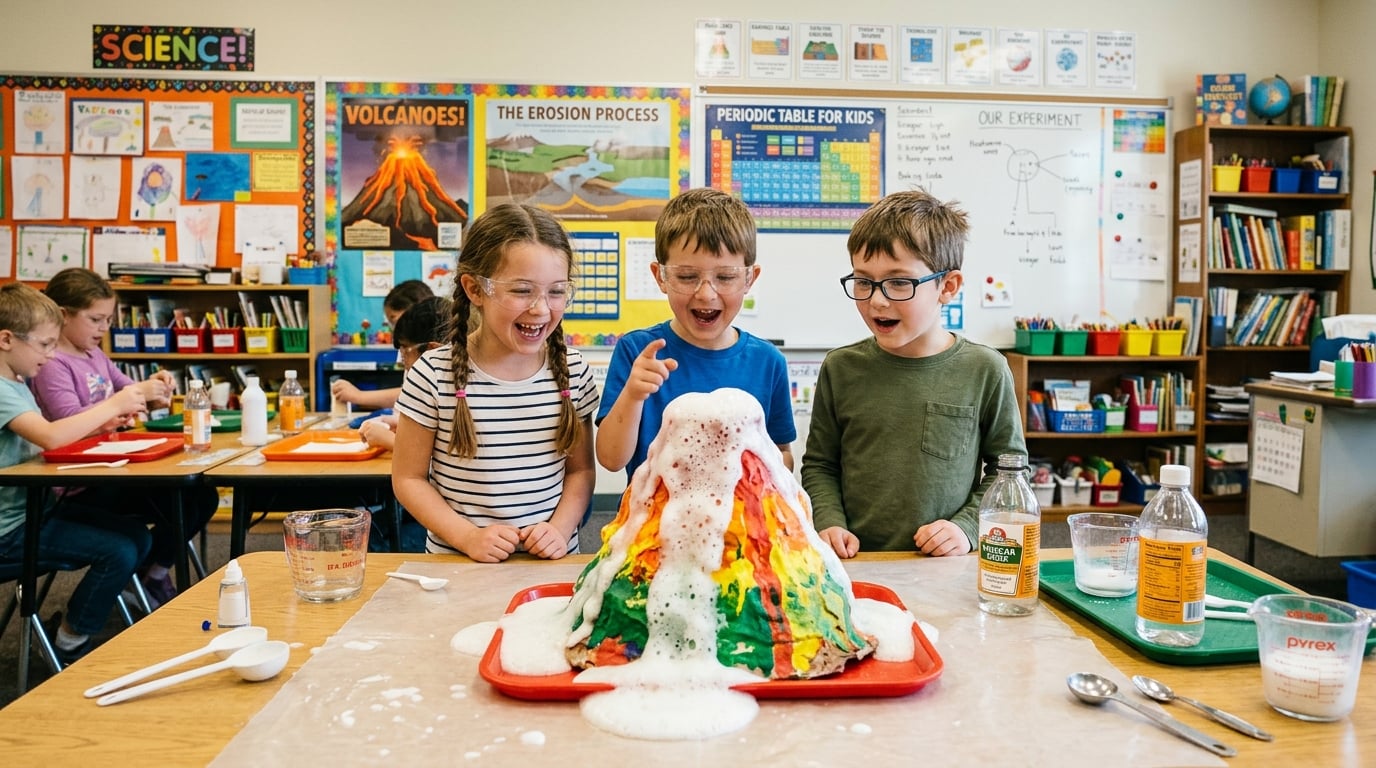
Fizzing Fun: Baking Soda and Vinegar Volcano

Make a mini volcano using baking soda and vinegar to observe an exciting chemical reaction. Learn how combining these ingredients creates carbon dioxide gas, leading to a fizzy eruption.

Fizzing Fun: Baking Soda and Vinegar Volcano

Hypothesis

If vinegar is added to baking soda, then a fizzy reaction will occur, resembling a volcanic eruption.

Materials Needed

Baking soda — 1 cupBuy
White vinegar — 1 cupBuy
Plastic cup — 1Buy
Dish soap — 1 teaspoonBuy
Food coloring — a few dropsBuy
Tray or shallow dish — 1Buy

As an Amazon Associate, this site earns from qualifying purchases.

Step-by-Step Procedure

  1. 1

    Place the plastic cup in the center of the tray.

  2. 2

    Fill the cup halfway with baking soda.

  3. 3

    Add a few drops of food coloring to the baking soda.

  4. 4

    Squirt a teaspoon of dish soap into the cup.

  5. 5

    Slowly pour the vinegar into the cup.

  6. 6

    Watch as the mixture begins to fizz and overflow like a volcano.

  7. 7

    Observe the bubbles and foam created by the reaction.

  8. 8

    Repeat with different colors for more eruptions.

Expected Results

Adding vinegar to baking soda will cause a fizzy eruption as carbon dioxide gas is released. The dish soap will create foam and bubbles, enhancing the volcanic effect.

Variables

Independent Variable

Amount of vinegar added

Dependent Variable

Size and duration of eruption

Controlled Variables

Amount of baking soda, Size of cup, Type of vinegar

Safety Notes

Ensure area is covered to prevent spills. Supervise children closely. Avoid direct contact with eyes.

Presentation Tips

  • Explain the chemical reaction using simple terms.

  • Incorporate fun visuals of real volcanoes.

  • Record the eruption and replay during presentation.

Frequently Asked Questions

What causes the fizz?

The reaction between vinegar (acid) and baking soda (base) produces carbon dioxide gas, causing fizzing.

Can I use different types of vinegar?

Yes, any vinegar will work, but results may vary slightly in fizz intensity.

Why add dish soap?

Dish soap helps create more bubbles and foam, making the eruption appear more dramatic.

Related Projects

Acid Rain Alarm: The Impact of pH on Building Materials
chemistrymedium

Acid Rain Alarm: The Impact of pH on Building Materials

Students will simulate acid rain effects by applying solutions of varying pH levels to samples of common building materials. The project focuses on understanding how acid rain can damage infrastructure.

10 days·middle
Acid vs. Base: Which Is Stronger?
chemistrymedium

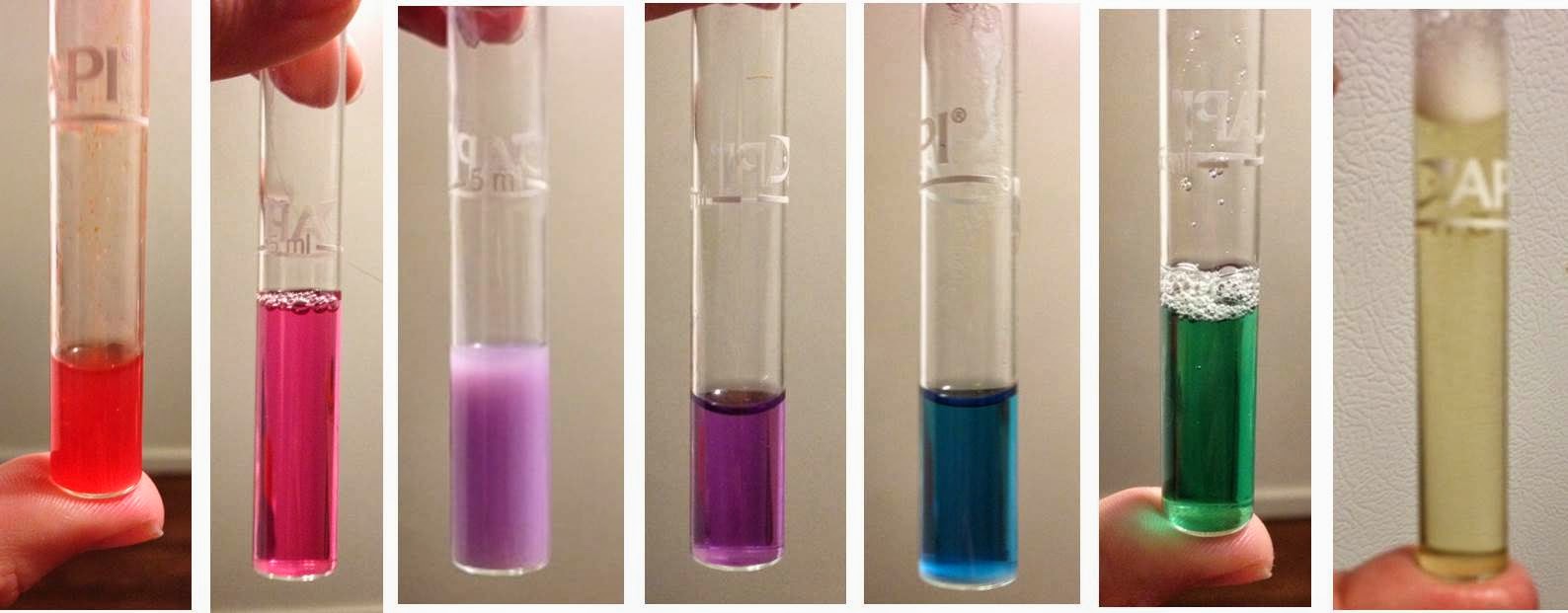
Acid vs. Base: Which Is Stronger?

Students will investigate the comparative strength of different acids and bases by measuring their pH levels and observing their reactions with various indicators. This project will help elucidate the nature of acidic and basic solutions.

14 days·middle
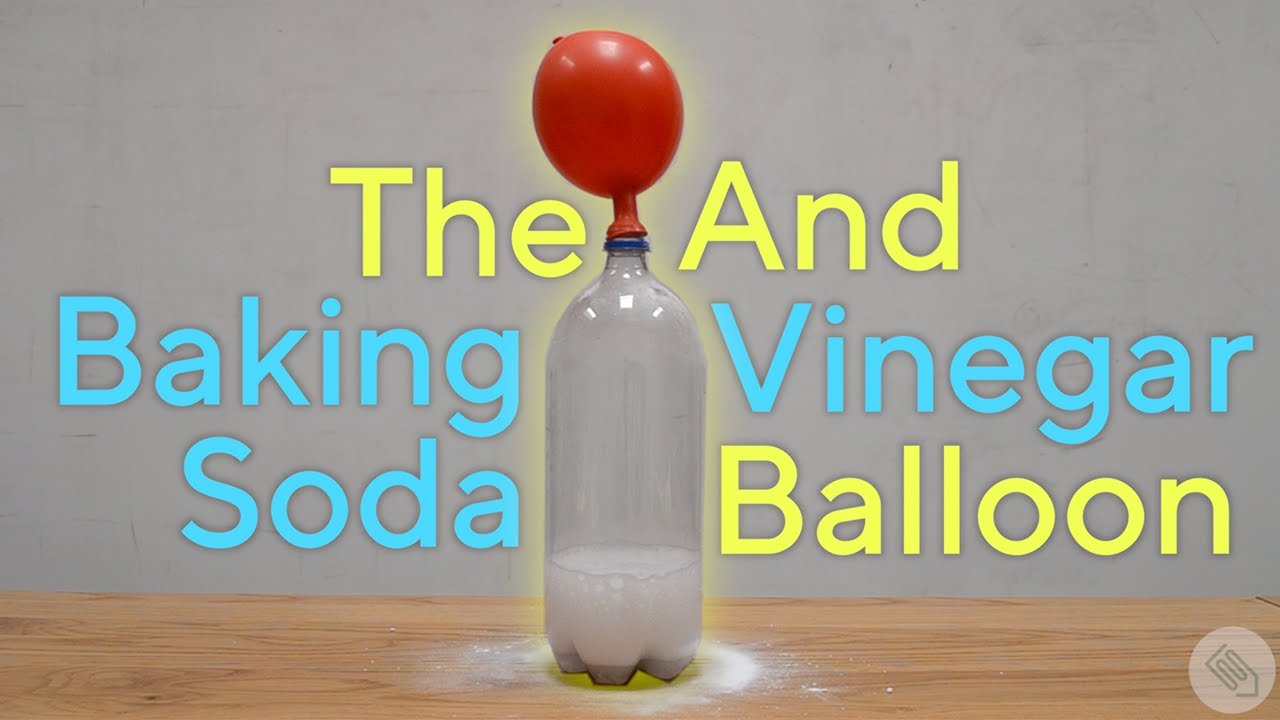
Baking Soda and Vinegar Balloon Inflation Experiment
chemistryeasy

Baking Soda and Vinegar Balloon Inflation Experiment

This exciting experiment demonstrates a chemical reaction between baking soda and vinegar that produces carbon dioxide gas, which inflates a balloon. It provides a hands-on approach to understanding reactions, gas expansion, and pressure in a controlled setting, making it ideal for middle school students interested in chemistry.

30 days·middle
Baking Soda and Vinegar Balloon Inflation Experiment Science Fair Project
chemistryeasy

Baking Soda and Vinegar Balloon Inflation Experiment Science Fair Project

This project demonstrates a fun and safe chemical reaction between baking soda and vinegar that produces carbon dioxide gas. Students will inflate a balloon using the gas produced, illustrating basic chemical principles.

1 days·elementary
Balloon Blow-Up: The Power of Yeast and Sugar
chemistryeasy

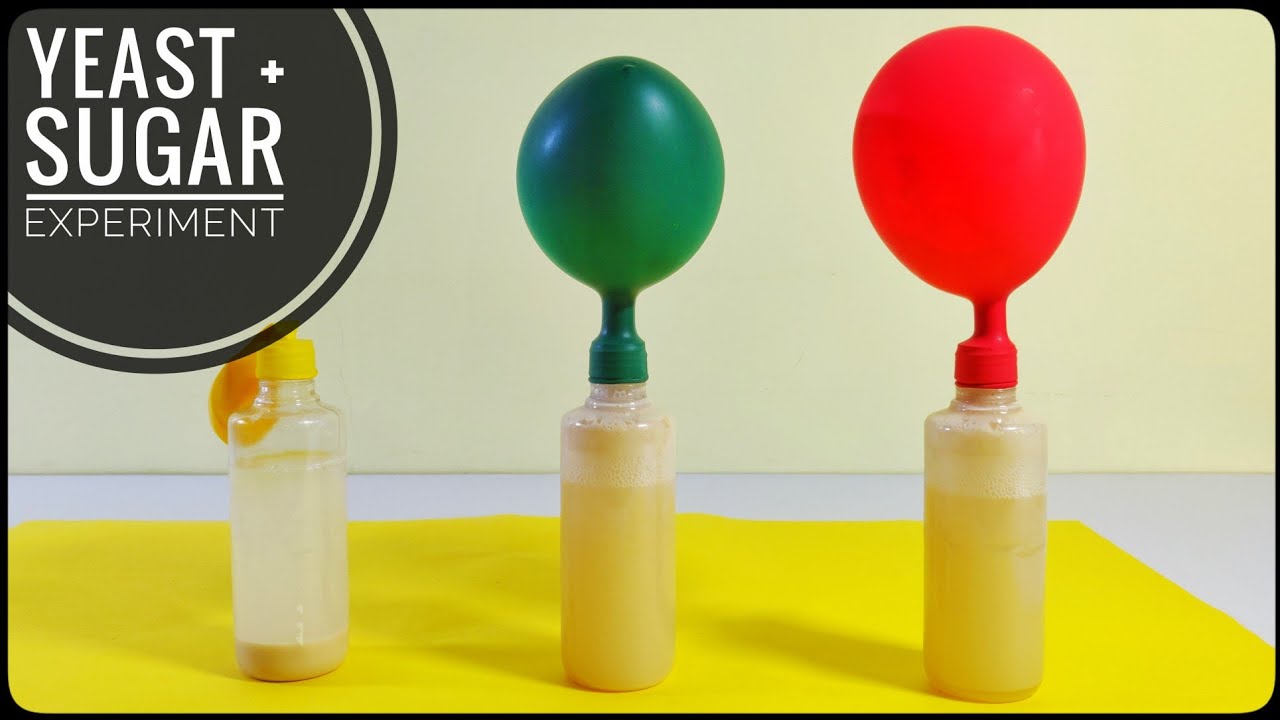
Balloon Blow-Up: The Power of Yeast and Sugar

Students will observe the chemical reaction between yeast and sugar, which produces carbon dioxide gas that inflates a balloon. This project teaches about fermentation and gas production.

2 days·elementary
Biodegradable Plastics Science Project: Polymer Science
chemistryhard

Biodegradable Plastics Science Project: Polymer Science

This project focuses on creating biodegradable plastics using natural materials like starch and vinegar. Students will test the durability and decomposition rate, learning about sustainable alternatives to traditional plastics.

10 days·high

Like this project? Get more ideas!