Science Fair Projects
chemistryeasy middle 3 days

The Fizz Factor: Exploring Baking Soda and Vinegar Reactions

Discover how varying the amount of baking soda influences the reaction with vinegar. Observe the chemical reaction and measure the gas produced.

The Fizz Factor: Exploring Baking Soda and Vinegar Reactions

Hypothesis

If more baking soda is added to a fixed amount of vinegar, then the reaction will produce more gas.

Materials Needed

Baking soda1 boxBuy
Vinegar1 bottleBuy
Measuring spoons1Buy
Balloon3Buy
Funnel1Buy
Measuring cup1Buy
Plastic bottle3Buy

As an Amazon Associate, this site earns from qualifying purchases.

Step-by-Step Procedure

  1. 1

    Measure 1 cup of vinegar and pour it into a plastic bottle.

  2. 2

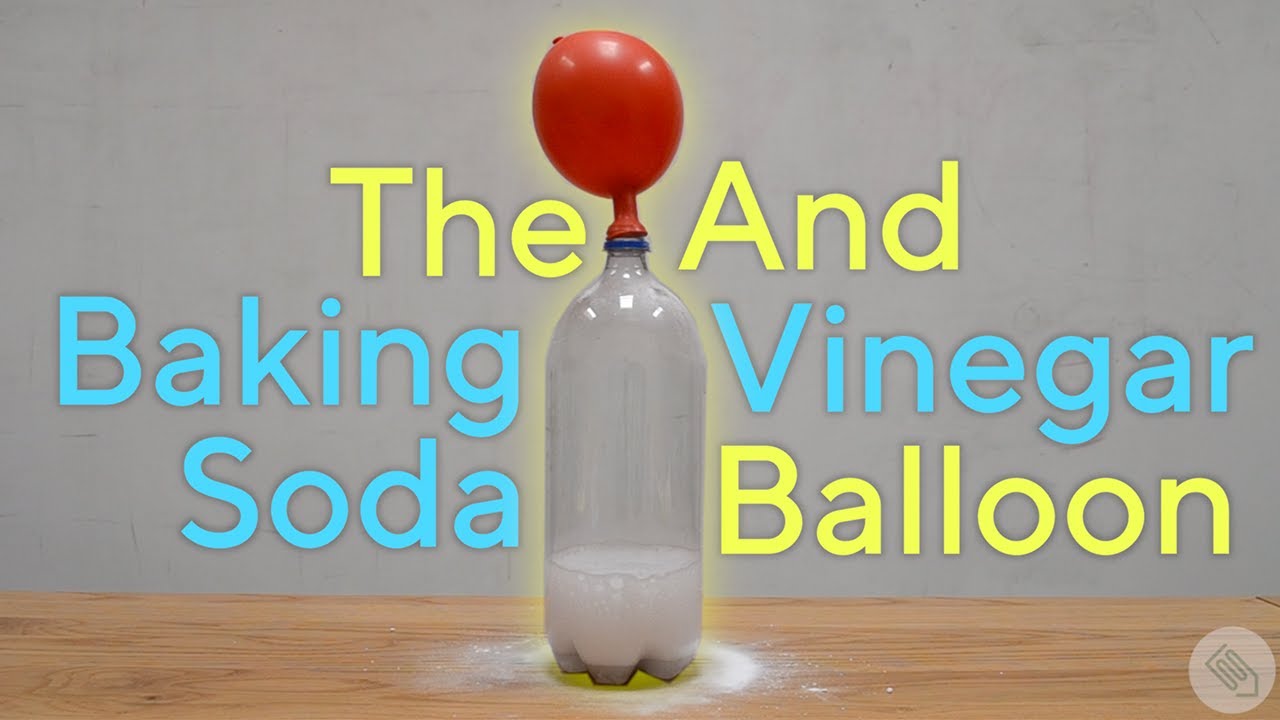
    Attach a balloon to the funnel and add 1 teaspoon of baking soda into the balloon.

  3. 3

    Carefully attach the balloon over the mouth of the bottle without spilling the baking soda.

  4. 4

    Lift the balloon to allow baking soda to fall into the vinegar.

  5. 5

    Observe and record the inflation of the balloon.

  6. 6

    Repeat steps 1-5 with 2 teaspoons of baking soda.

  7. 7

    Repeat steps 1-5 with 3 teaspoons of baking soda.

  8. 8

    Compare the results of all trials.

Expected Results

The balloon will inflate more with an increased amount of baking soda, indicating more gas production due to a stronger reaction.

Variables

Independent Variable

Amount of baking soda

Dependent Variable

Size of balloon inflation

Controlled Variables

Amount of vinegar, Balloon size, Bottle size

Safety Notes

Avoid direct contact with vinegar and baking soda. In case of spills, clean thoroughly.

Presentation Tips

  • Create a well-labeled chart showing your results.

  • Include photos of each reaction stage.

  • Discuss the chemical reaction involved and its real-life applications.

Frequently Asked Questions

Like this project? Get more ideas!