Science Fair Projects
chemistrymedium middle 4 days

Endothermic vs Exothermic Reactions Demonstration Science Fair Project

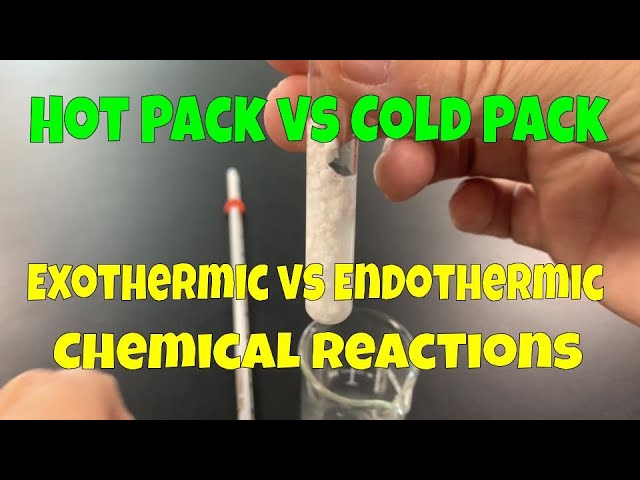
In this project, you will conduct simple experiments to showcase endothermic and exothermic reactions. Learn how energy is absorbed or released during chemical reactions.

Endothermic vs Exothermic Reactions Demonstration Science Fair Project

Hypothesis

If an endothermic reaction is performed, then the temperature will decrease, while an exothermic reaction will increase the temperature.

Materials Needed

Baking soda50 gBuy
Vinegar100 mlBuy
Calcium chloride50 gBuy
Water100 mlBuy
Thermometer1Buy
Beakers2Buy
Stirring rod1Buy
Ice pack1Buy
Notebook for observations1Buy

As an Amazon Associate, this site earns from qualifying purchases.

Step-by-Step Procedure

  1. 1

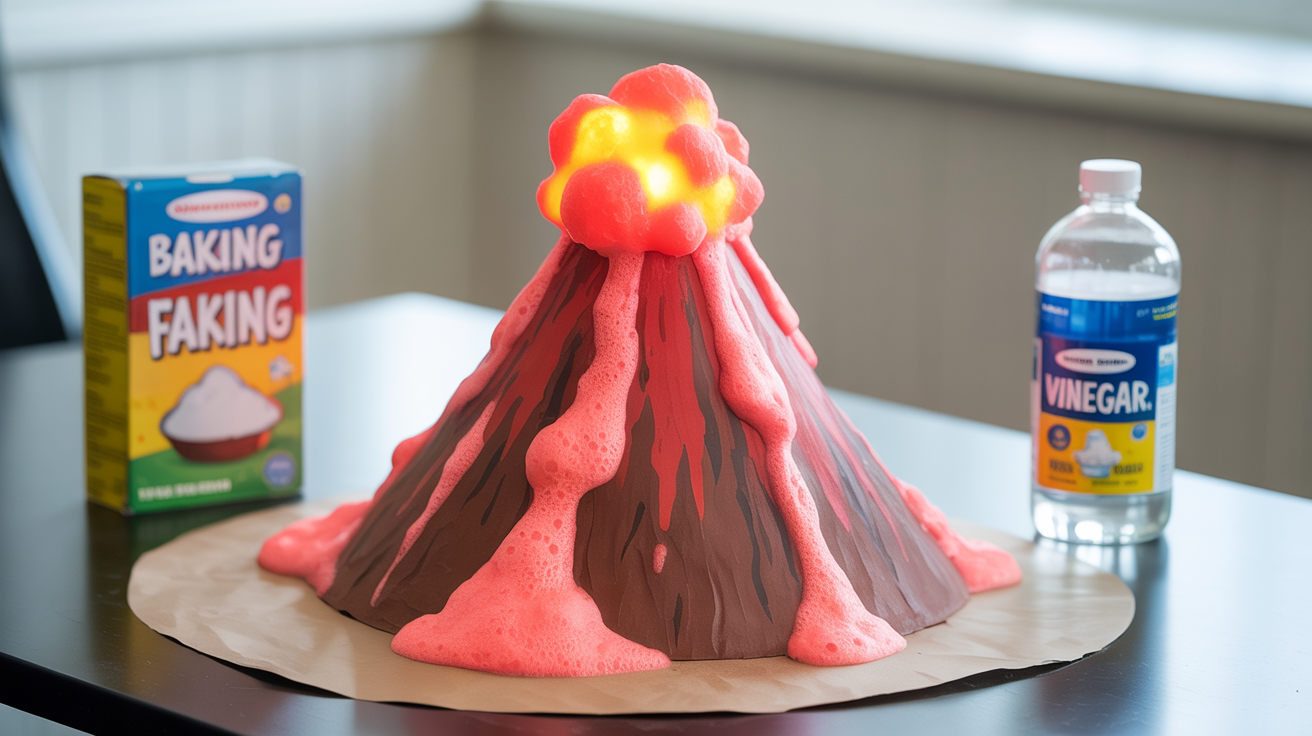
    Prepare the first beaker with baking soda and vinegar.

  2. 2

    Mix and observe the temperature change with a thermometer.

  3. 3

    Record the initial temperature and final temperature.

  4. 4

    In the second beaker, mix calcium chloride with water.

  5. 5

    Again, use the thermometer to measure the temperature change.

  6. 6

    Record the results from both reactions.

  7. 7

    Compare the temperature changes to classify the reactions.

  8. 8

    Clean up the workspace following the experiments.

Expected Results

The baking soda and vinegar reaction should show a drop in temperature, indicating an endothermic reaction, while the calcium chloride in water will show a temperature increase, signifying an exothermic reaction.

Variables

Independent Variable

Type of reaction (endothermic vs exothermic)

Dependent Variable

Temperature change

Controlled Variables

Amount of reactants, Volume of liquids, Environment temperature

Safety Notes

Wear gloves and goggles when handling chemicals, and ensure proper ventilation.

Presentation Tips

  • Create a visual representation of energy changes during reactions.

  • Use graphs to illustrate temperature changes.

  • Explain real-life applications of these reactions.

  • Demonstrate the reactions during the presentation.

Frequently Asked Questions

Like this project? Get more ideas!