
Science Fair Projects
physicsmedium high 7 days

Doppler Effect Demonstration with Sound Waves

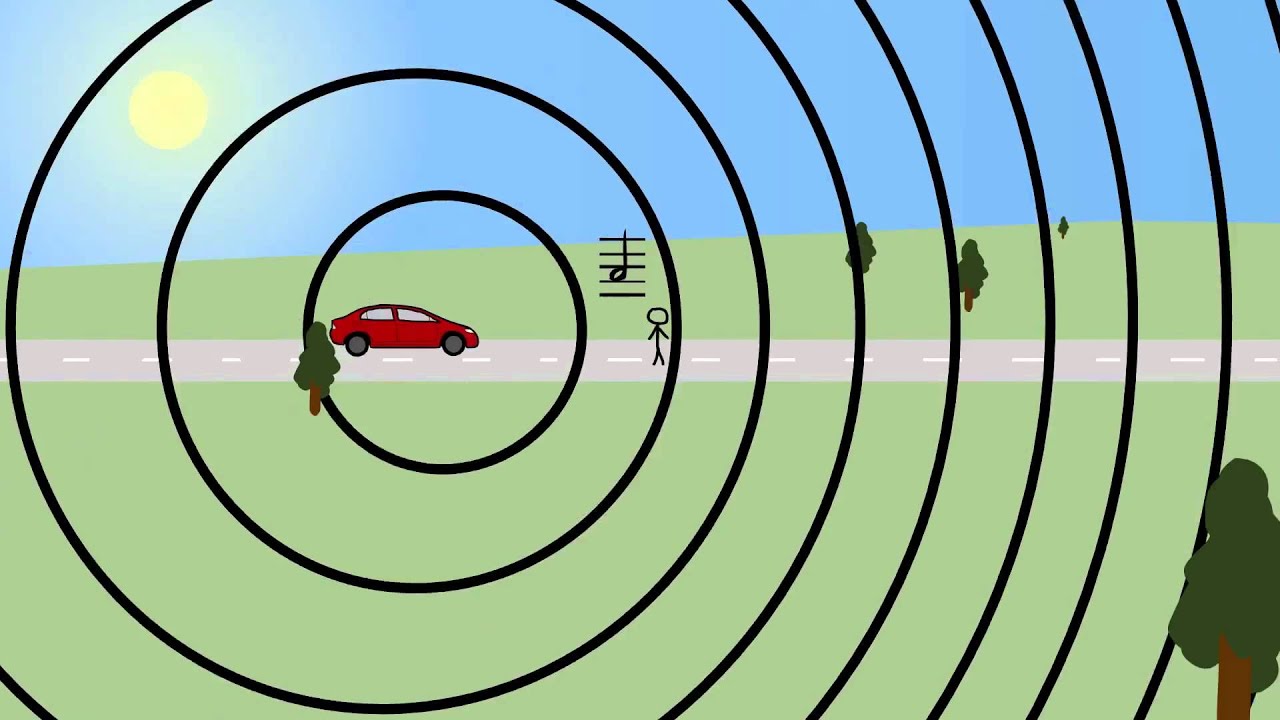
This project explores the Doppler effect by creating a sound wave demonstration. Students will observe how frequency changes as the source of sound moves relative to an observer.

Doppler Effect Demonstration with Sound Waves

Hypothesis

The frequency of sound will increase as the sound source approaches and decrease as it moves away.

Materials Needed

tuning fork1Buy
rubber mallet1Buy
measuring tape1Buy
stopwatch1Buy
sound level meter (optional)1Buy

As an Amazon Associate, this site earns from qualifying purchases.

Step-by-Step Procedure

  1. 1

    Strike the tuning fork with the rubber mallet to produce sound.

  2. 2

    Stand at a fixed point and measure the initial frequency using a sound level meter (if available).

  3. 3

    Walk away from the sound source at a steady pace while listening to the sound.

  4. 4

    Measure the frequency at various distances from the source.

  5. 5

    Repeat the process by approaching the sound source.

  6. 6

    Record the frequency changes as you move closer and farther.

  7. 7

    Analyze the frequency data to observe the Doppler effect.

  8. 8

    Create a presentation summarizing your findings.

Expected Results

The frequency of sound will be higher when approaching the source and lower when moving away, illustrating the Doppler effect.

Variables

Independent Variable

Distance from sound source

Dependent Variable

Frequency of sound heard

Controlled Variables

Type of sound source, Walking speed

Safety Notes

Be cautious of your surroundings while moving; avoid distractions that could lead to accidents.

Presentation Tips

  • Use graphs to display frequency changes over distance.

  • Include audio samples of the sound at different distances.

  • Explain the scientific principles behind the Doppler effect.

  • Engage the audience with questions about real-world examples.

Frequently Asked Questions

Like this project? Get more ideas!