Science Fair Projects
physicsmedium middle 4 days

Sound Waves in Action: A Doppler Effect Science Fair Experiment

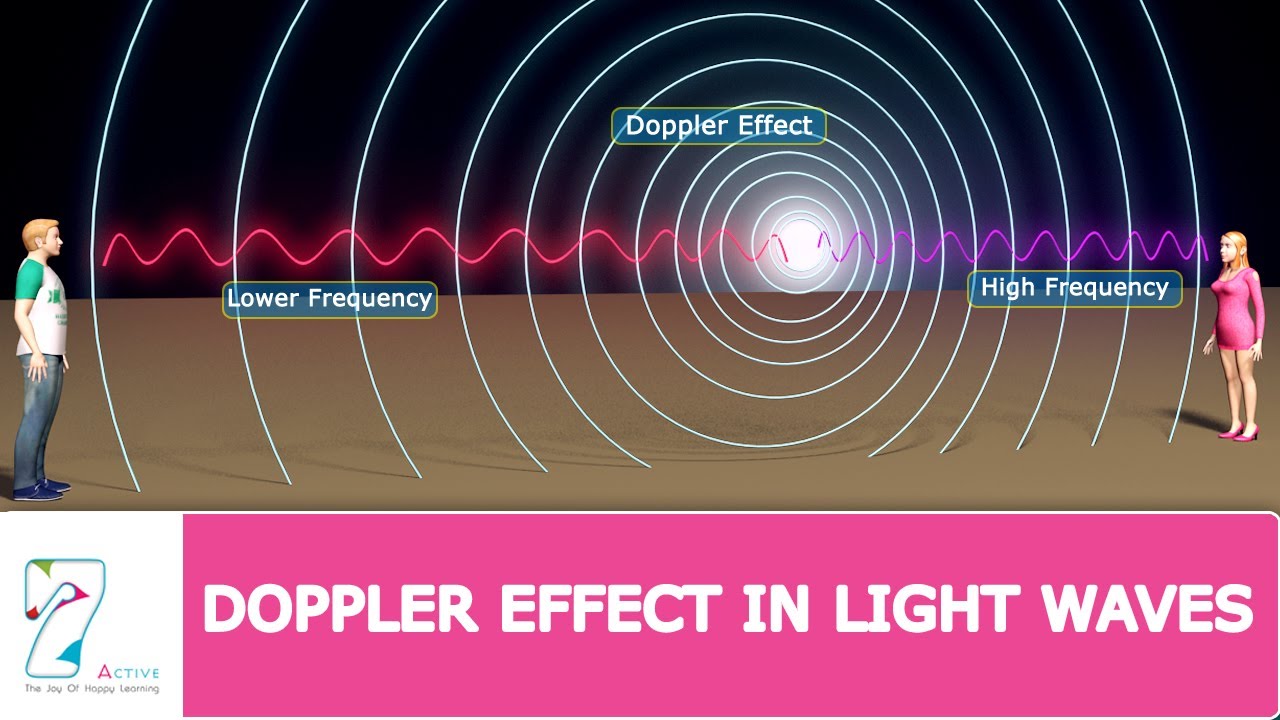
This project investigates the Doppler effect by measuring sound frequency changes as a sound source moves toward and away from an observer. Students will use a smartphone or sound frequency app to track and analyze how sound waves behave under different circumstances, making it an engaging lesson in physics.

Sound Waves in Action: A Doppler Effect Science Fair Experiment

Hypothesis

If a sound source moves toward a listener, then the observed frequency will increase, whereas it will decrease when moving away.

Materials Needed

speaker1Buy
smartphone with sound app1Buy
measuring tape1Buy
sound level meter1Buy
stopwatch1Buy
marker1Buy
battery pack1Buy
recording device1Buy

As an Amazon Associate, this site earns from qualifying purchases.

Step-by-Step Procedure

  1. 1

    Set up the speaker at one end of a measured distance.

  2. 2

    Prepare the smartphone to record sound frequency.

  3. 3

    Have a friend walk toward the speaker while holding the phone.

  4. 4

    Measure and record the change in sound frequency as they approach.

  5. 5

    Repeat the same with the friend walking away from the speaker.

  6. 6

    Analyze the data for patterns in frequency changes.

  7. 7

    Present findings in a report or presentation format.

Expected Results

The frequency of the sound should increase as the sound source approaches the observer and decrease as it moves away, showcasing the Doppler effect in real-time.

Variables

Independent Variable

speed of the sound source

Dependent Variable

observed frequency

Controlled Variables

environmental noise, distance from source, type of sound produced

Safety Notes

Be cautious with volume levels to prevent hearing damage; use hearing protection if necessary.

Presentation Tips

  • Include audio clips to demonstrate the effect.

  • Use graphs to display frequency changes visually.

  • Prepare to explain the science behind sound waves.

  • Engage your audience with questions about real-world applications.

  • Offer comparisons with everyday examples of the Doppler effect.

Frequently Asked Questions

Like this project? Get more ideas!