Science Fair Projects
chemistrymedium high 7 days

Determining Empirical Formula of Magnesium Oxide Science Project

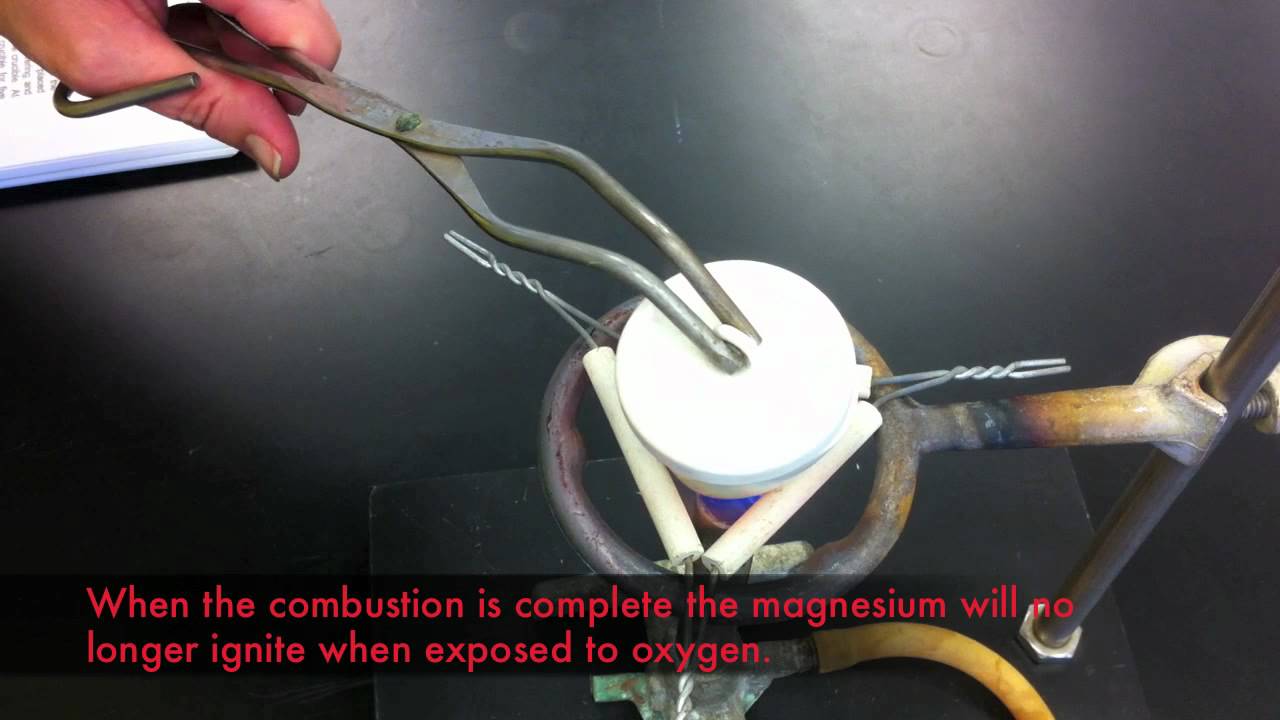
This project involves burning magnesium ribbon in air to form magnesium oxide, allowing students to calculate the empirical formula based on mass ratios. It's a hands-on experience that reinforces chemical principles in a visually engaging way.

Determining Empirical Formula of Magnesium Oxide Science Project

Hypothesis

The empirical formula of magnesium oxide will reflect the ratio of magnesium to oxygen based on the masses before and after the reaction.

Materials Needed

Magnesium ribbon — 10 gBuy
Bunsen burner — 1Buy
Crucible — 1Buy
Balance scale — 1Buy
Safety goggles — 1Buy
Tongs — 1Buy
Spoon for stirring — 1Buy
Notebook for recording data — 1Buy

As an Amazon Associate, this site earns from qualifying purchases.

Step-by-Step Procedure

  1. 1

    Weigh the magnesium ribbon and record its mass.

  2. 2

    Place the magnesium in a crucible and heat it with a Bunsen burner.

  3. 3

    Allow the magnesium to react with oxygen until it turns white.

  4. 4

    Let the crucible cool, then weigh it again to find the mass of magnesium oxide.

  5. 5

    Calculate the mass of oxygen that reacted based on initial mass.

  6. 6

    Determine the mole ratio of magnesium to oxygen.

  7. 7

    Write the empirical formula from the mole ratio.

  8. 8

    Discuss the significance of the empirical formula.

Expected Results

You will determine the empirical formula of magnesium oxide, typically found to be MgO, based on the mass ratio of magnesium to oxygen after the reaction.

Variables

Independent Variable

Amount of magnesium used

Dependent Variable

Mass of magnesium oxide produced

Controlled Variables

Temperature of reaction, Type of crucible, Amount of oxygen available

Safety Notes

Use safety goggles and tongs when handling heated materials to prevent burns.

Presentation Tips

  • Display calculations clearly on your presentation.

  • Discuss the importance of empirical formulas in chemistry.

  • Include photos or videos of the reaction process.

  • Engage the audience by asking about their predictions.

Frequently Asked Questions

Like this project? Get more ideas!