Science Fair Projects
physicshard high 14 days

Comparing Speed of Sound Through Solids, Liquids, and Gases

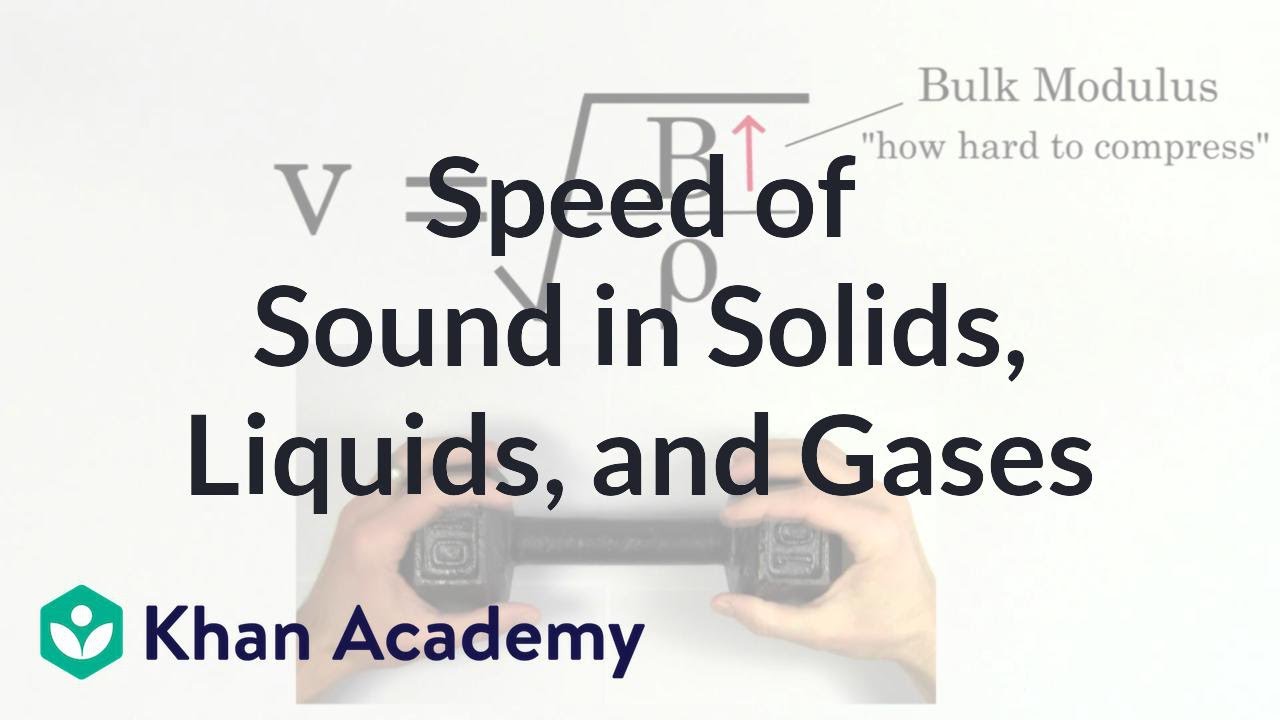
This project compares the speed of sound in solids, liquids, and gases. Students will conduct experiments to measure how sound travels through various materials, revealing insights about the properties of sound.

Comparing Speed of Sound Through Solids, Liquids, and Gases

Hypothesis

Sound will travel fastest through solids, slower in liquids, and slowest in gases.

Materials Needed

metal rod1Buy
water1 literBuy
air container1Buy
stopwatch1Buy
sound source (tuning fork)1Buy

As an Amazon Associate, this site earns from qualifying purchases.

Step-by-Step Procedure

  1. 1

    Set up the metal rod and use the tuning fork to create sound.

  2. 2

    Measure the time it takes for the sound to travel through the metal rod using the stopwatch.

  3. 3

    Repeat the process using water as the medium.

  4. 4

    Finally, repeat using air as the medium in the container.

  5. 5

    Record all times taken for sound to travel.

  6. 6

    Calculate the speed of sound in each medium using distance over time.

  7. 7

    Compare the speeds and analyze the differences.

  8. 8

    Create a chart to visually represent the results.

Expected Results

The results will show that sound travels fastest in the metal rod, slower in water, and slowest in air, confirming the hypothesis.

Variables

Independent Variable

Medium (solid, liquid, gas)

Dependent Variable

Speed of sound

Controlled Variables

Distance traveled, Temperature of mediums

Safety Notes

Handle all materials carefully, especially when using water and electrical equipment.

Presentation Tips

  • Use graphs to display sound speeds in different mediums.

  • Include a demonstration of sound traveling through each medium.

  • Prepare an explanation of why sound travels differently in each state.

  • Engage the audience with sound-related questions.

Frequently Asked Questions

Like this project? Get more ideas!