Science Fair Projects
chemistrymedium middle 7 days

Chromatography Separation of Plant Pigments Science Project

This project uses chromatography to separate and analyze different pigments found in plants. Students will learn how to identify these pigments and understand the science behind their separation, engaging with the beauty of nature.

Chromatography Separation of Plant Pigments Science Project

Hypothesis

Different pigments from plants will travel different distances on chromatography paper based on their solubility in the solvent used.

Materials Needed

Filter paper or chromatography paper2 sheetsBuy
Plant material (leaves)2-3Buy
Solvent (water, alcohol)50 mLBuy
Pencil1Buy
Beaker1Buy
Scissors1Buy
Ruler1Buy
Safety goggles1Buy

As an Amazon Associate, this site earns from qualifying purchases.

Step-by-Step Procedure

  1. 1

    Prepare plant material by crushing it to extract pigments.

  2. 2

    Draw a baseline on the chromatography paper with a pencil.

  3. 3

    Place a small spot of the extracted pigment on the baseline.

  4. 4

    Fill the beaker with solvent to a shallow depth.

  5. 5

    Carefully place the chromatography paper into the solvent, ensuring the spot isn't submerged.

  6. 6

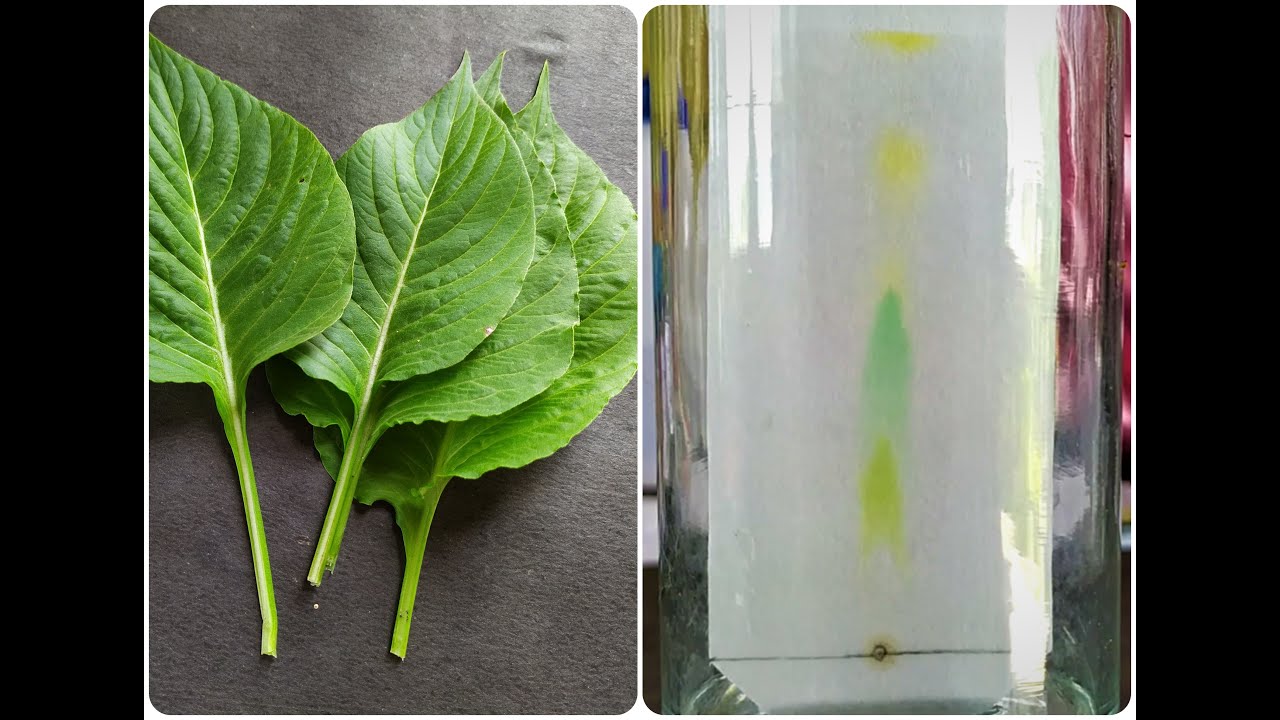
    Watch as the pigments separate up the paper.

  7. 7

    Once the solvent has traveled, remove the paper and mark the solvent front.

  8. 8

    Analyze the distance traveled by each pigment and identify them.

Expected Results

You will observe distinct bands of color representing different pigments, demonstrating how chromatography effectively separates substances based on their properties.

Variables

Independent Variable

Type of plant material used

Dependent Variable

Distance traveled by pigments

Controlled Variables

Type of solvent, Amount of solvent, Size of pigment spot

Safety Notes

Use safety goggles while handling solvents and scissors to avoid injuries.

Presentation Tips

  • Display your chromatography paper with clear visuals.

  • Explain the science behind chromatography and its applications.

  • Encourage audience participation by discussing pigment identification.

  • Include photos of the process for clarity.

Frequently Asked Questions

Like this project? Get more ideas!