Science Fair Projects
physicshard high 10 days

Building a Van de Graaff Generator: A Shocking Science Fair Project

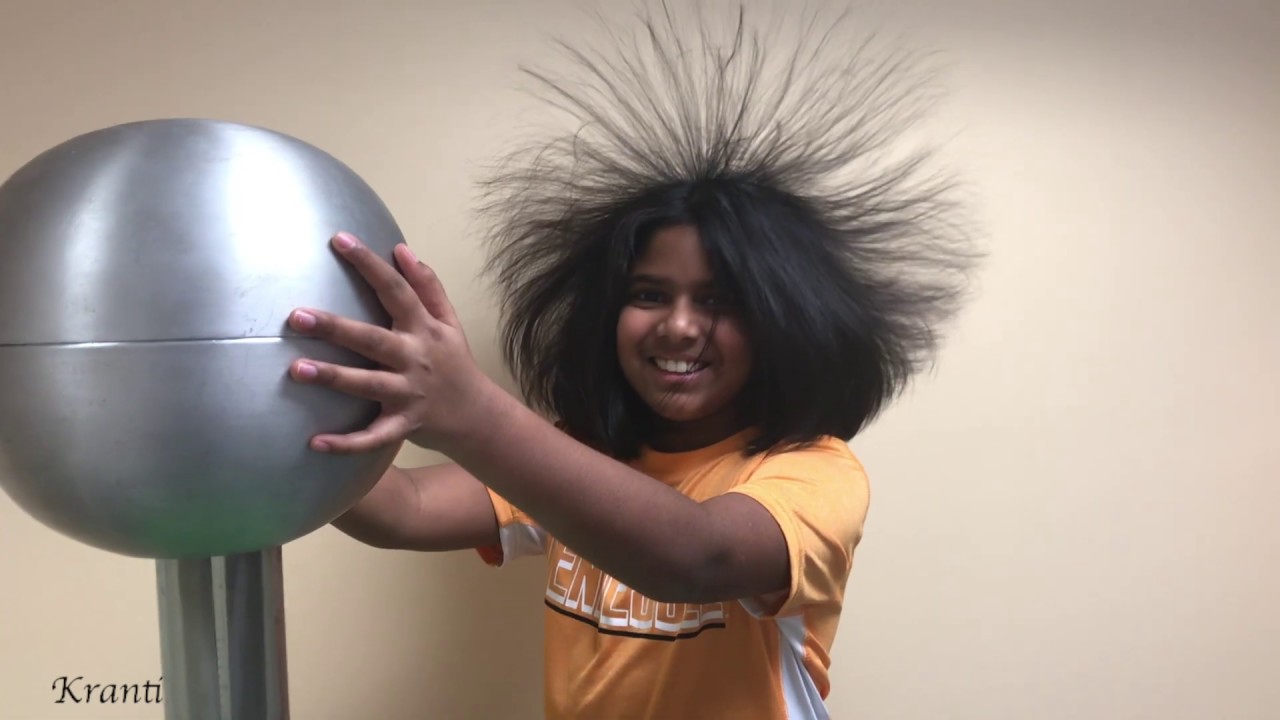
This project involves constructing a Van de Graaff generator to explore the principles of static electricity and electrostatics. Students will witness hair-raising experiences as the generator creates high-voltage static charges, leading to fun experiments in electricity.

Building a Van de Graaff Generator: A Shocking Science Fair Project

Hypothesis

If I build a Van de Graaff generator, then it will produce a significant static charge that can affect small objects like hair or paper.

Materials Needed

PVC pipe1Buy
rubber belt1Buy
metal sphere1Buy
motor1Buy
aluminum foil1 sheetBuy
electrical tape1 rollBuy
battery pack1Buy
wooden base1Buy

As an Amazon Associate, this site earns from qualifying purchases.

Step-by-Step Procedure

  1. 1

    Build the base using PVC pipe and secure it with the wooden base.

  2. 2

    Attach the motor to the base to turn the rubber belt.

  3. 3

    Connect the metal sphere at the top of the generator.

  4. 4

    Wrap aluminum foil around the sphere for better charge collection.

  5. 5

    Turn on the motor to start the belt.

  6. 6

    Observe what happens to small objects placed near the generator.

  7. 7

    Document the experiments conducted with different items.

  8. 8

    Prepare to explain the science behind static electricity.

Expected Results

The Van de Graaff generator should produce a significant static charge, demonstrated by hair standing on end or attracting lightweight objects.

Variables

Independent Variable

speed of the rubber belt

Dependent Variable

amount of static charge produced

Controlled Variables

size of the metal sphere, environmental humidity, motor power

Safety Notes

Avoid direct contact with the generator when it's turned on, and be cautious of high voltages.

Presentation Tips

  • Show a video of the generator in action.

  • Include diagrams explaining static charge principles.

  • Engage the audience with live demonstrations.

  • Discuss real-world applications of static electricity.

  • Prepare to answer common questions about electrostatics.

Frequently Asked Questions

Like this project? Get more ideas!