
Science Fair Projects
physicshard high 10 days

Build and Test a Tesla Coil: A Shocking Science Fair Project

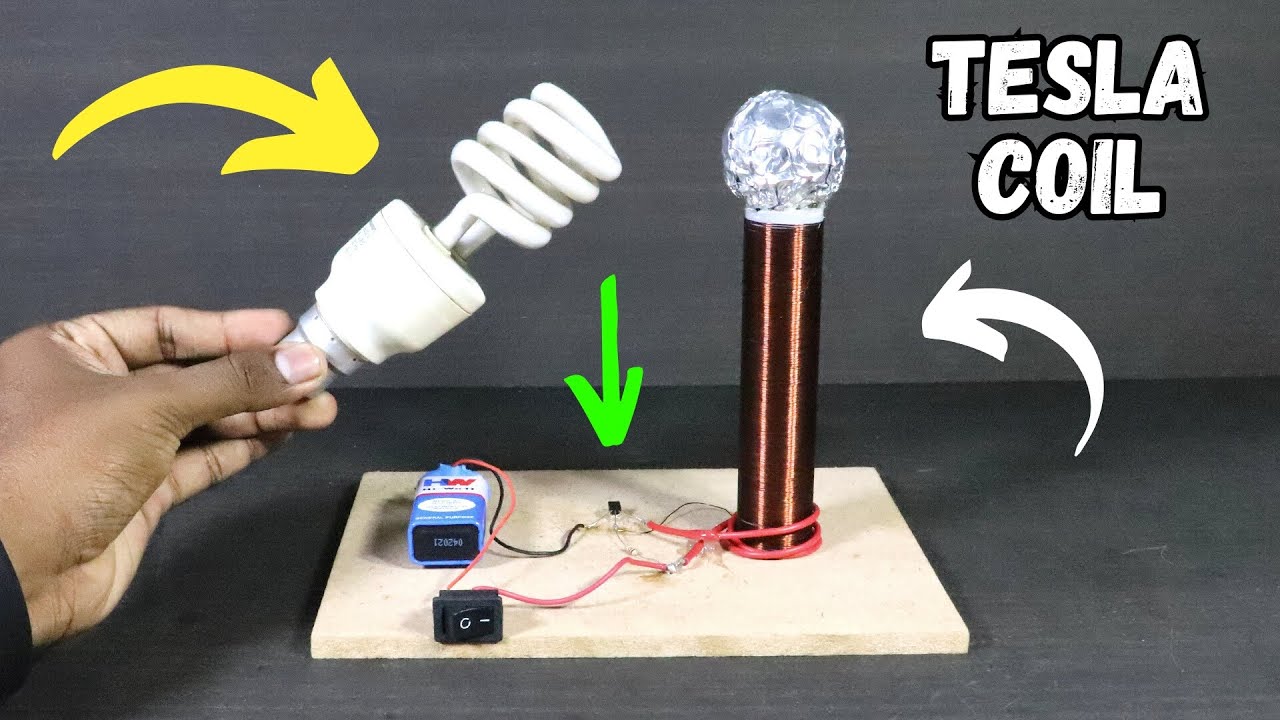
In this project, students will build a Tesla coil to demonstrate the principles of high-voltage electricity and electromagnetic fields. The Tesla coil creates stunning electrical discharges, providing a captivating visual experience while teaching about electrical engineering and physics concepts.

Build and Test a Tesla Coil: A Shocking Science Fair Project

Hypothesis

If I construct a Tesla coil correctly, then it will produce visible electrical discharges, demonstrating high-voltage electricity.

Materials Needed

PVC pipe1Buy
copper wire1 spoolBuy
neon light transformer1Buy
electrical tape1 rollBuy
aluminum foil1 sheetBuy
wooden base1Buy
insulation tape1 rollBuy
safety goggles1 pairBuy

As an Amazon Associate, this site earns from qualifying purchases.

Step-by-Step Procedure

  1. 1

    Prepare the PVC pipe as the base for the coil.

  2. 2

    Wrap the copper wire around the PVC pipe to create the primary coil.

  3. 3

    Attach the secondary coil on top of the primary coil using electrical tape.

  4. 4

    Connect the neon transformer to the base.

  5. 5

    Create a terminal cap from aluminum foil and attach it on top.

  6. 6

    Plug in the transformer and turn it on.

  7. 7

    Observe and document the electrical discharges produced.

  8. 8

    Ensure to follow safety precautions throughout.

Expected Results

The Tesla coil should produce notable electrical arcs that demonstrate high-voltage electricity. The size and consistency of the discharges will depend on the quality of the coil construction.

Variables

Independent Variable

number of wire turns in the coils

Dependent Variable

length of electrical discharges

Controlled Variables

power supply voltage, coil height, environmental humidity

Safety Notes

Always wear safety goggles and avoid direct contact with the coil when powered on to prevent electric shock.

Presentation Tips

  • Use a video to showcase the Tesla coil in action.

  • Include a clear explanation of how the coil works.

  • Create diagrams to illustrate the electrical flow.

  • Provide safety information for working with high voltage.

  • Engage your audience with a question and answer session.

Frequently Asked Questions

Like this project? Get more ideas!