Science Fair Projects
physicseasy elementary 7 days

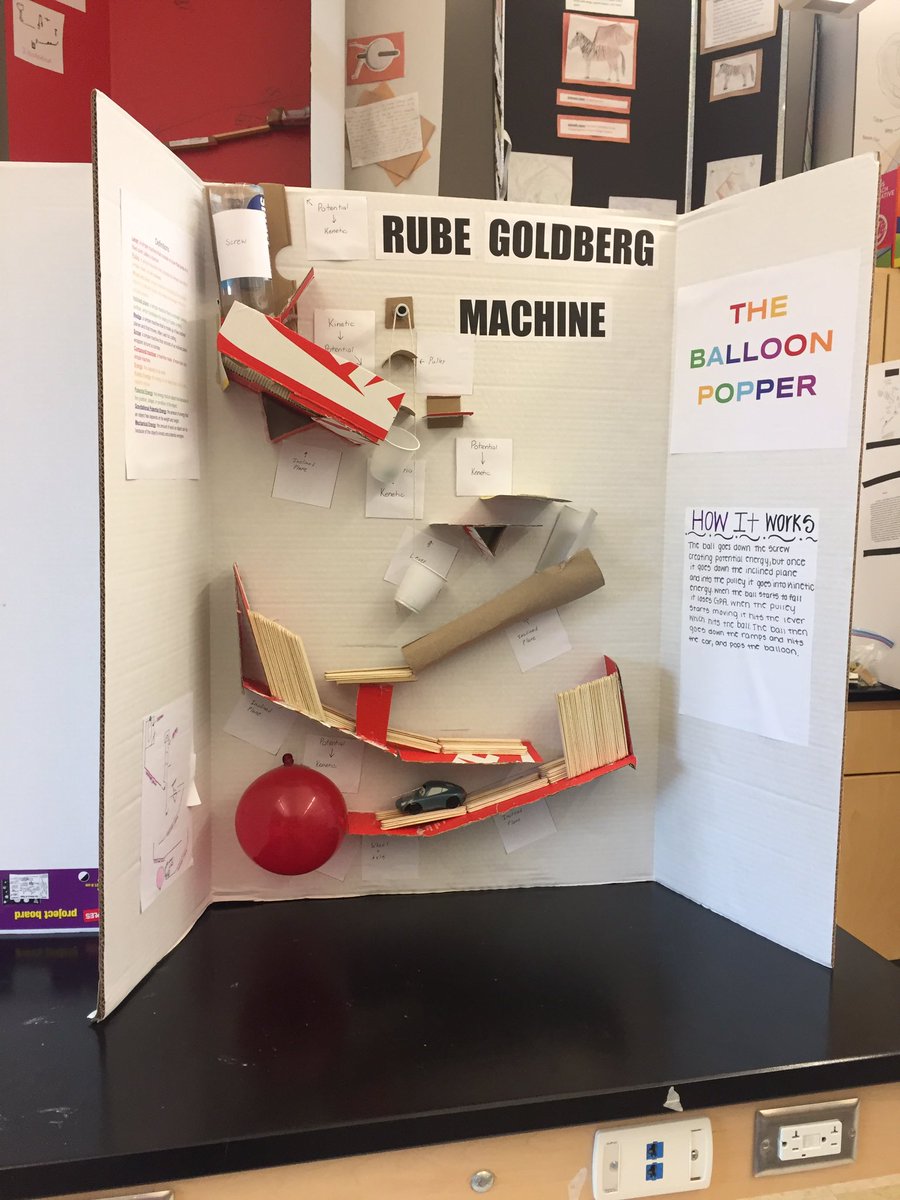
Building a Rube Goldberg Machine for Energy Transfer

In this project, students will design and build a Rube Goldberg machine that illustrates the concept of energy transfer through a series of simple machines and actions.

Building a Rube Goldberg Machine for Energy Transfer

Hypothesis

A series of connected actions in a Rube Goldberg machine will successfully transfer energy to complete a task.

Materials Needed

dominoes — 20Buy
marbles — 5Buy
wooden blocks — 10Buy
string — 1 rollBuy
paper cups — 3Buy
scissors — 1Buy
tape — 1 rollBuy

As an Amazon Associate, this site earns from qualifying purchases.

Step-by-Step Procedure

  1. 1

    Brainstorm and sketch a design for the Rube Goldberg machine.

  2. 2

    Gather all materials needed for the machine.

  3. 3

    Set up a series of dominoes to initiate the chain reaction.

  4. 4

    Place marbles in a path that will roll and knock over cups.

  5. 5

    Use wooden blocks to create ramps or barriers for the marbles.

  6. 6

    Incorporate string to create levers or pulleys in the design.

  7. 7

    Test each section of the machine to ensure it works.

  8. 8

    Assemble the entire machine and make adjustments as needed.

  9. 9

    Record the energy transfer process as the machine operates.

Expected Results

The Rube Goldberg machine should successfully transfer energy through various actions to complete a task, demonstrating basic physics principles.

Variables

Independent Variable

Design of the machine

Dependent Variable

Success in completing the task

Controlled Variables

Type of materials used, Environment where the machine operates

Safety Notes

Ensure the workspace is clear of hazards and that all materials are securely assembled.

Presentation Tips

  • Create a video of the machine in action.

  • Explain each step of energy transfer during the presentation.

  • Use visuals to illustrate the machine's design.

  • Engage the audience with a live demonstration if possible.

Frequently Asked Questions

What is a Rube Goldberg machine?

It's a complex contraption that performs a simple task through a series of chain reactions.

Can this project be done alone?

Yes, but it's more fun and collaborative with a group!

What are some examples of tasks for the machine?

Common tasks include ringing a bell, turning off a light, or pouring a glass of water.

Related Projects

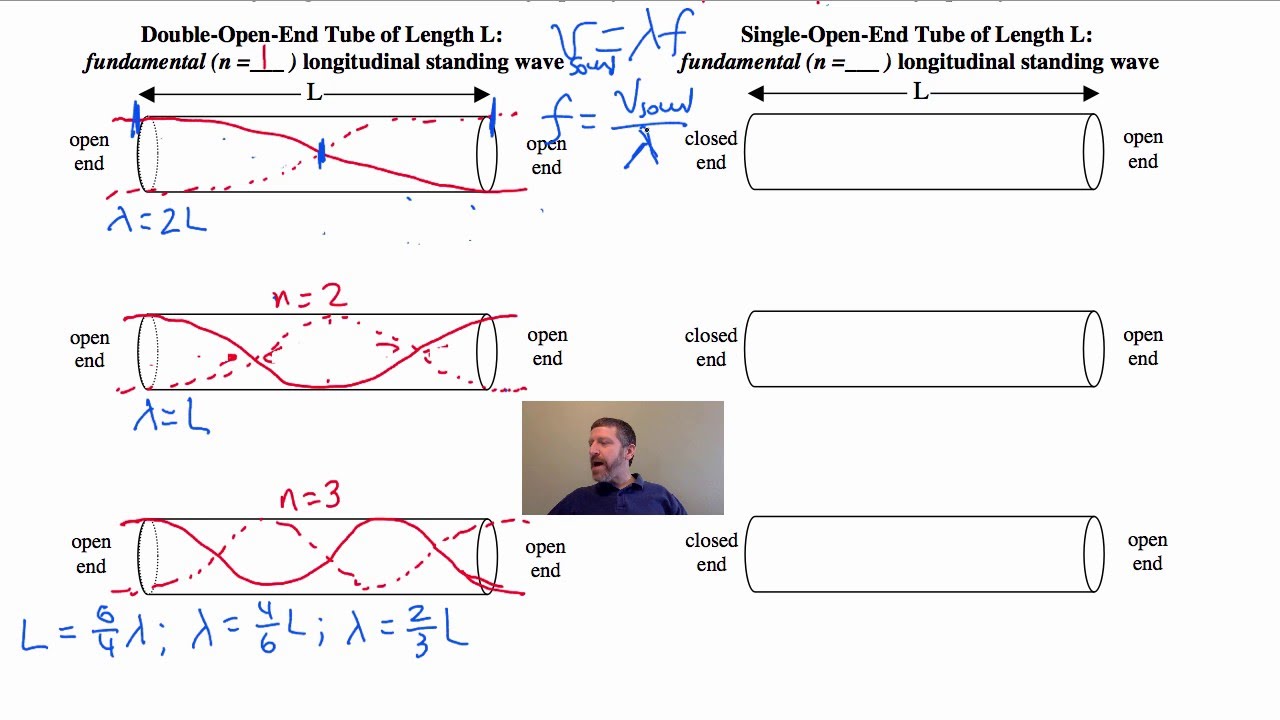
Acoustic Resonance Experiment: Standing Waves in Tubes Science Fair Project
physicsmedium

Acoustic Resonance Experiment: Standing Waves in Tubes Science Fair Project

This experiment allows you to explore sound waves and resonance using tubes. By creating standing waves, you'll visualize how sound behaves in different environments. Perfect for middle school science fairs!

7 days·middle
Analyzing Quantum Tunneling in Semiconductor Devices
physicshard

Analyzing Quantum Tunneling in Semiconductor Devices

This project investigates quantum tunneling phenomena within semiconductor devices. Students will measure how electrons traverse energy barriers and analyze how this impacts device efficiency.

25 days·high
Archimedes' Principle: Testing Buoyancy with Different Objects
physicsmedium

Archimedes' Principle: Testing Buoyancy with Different Objects

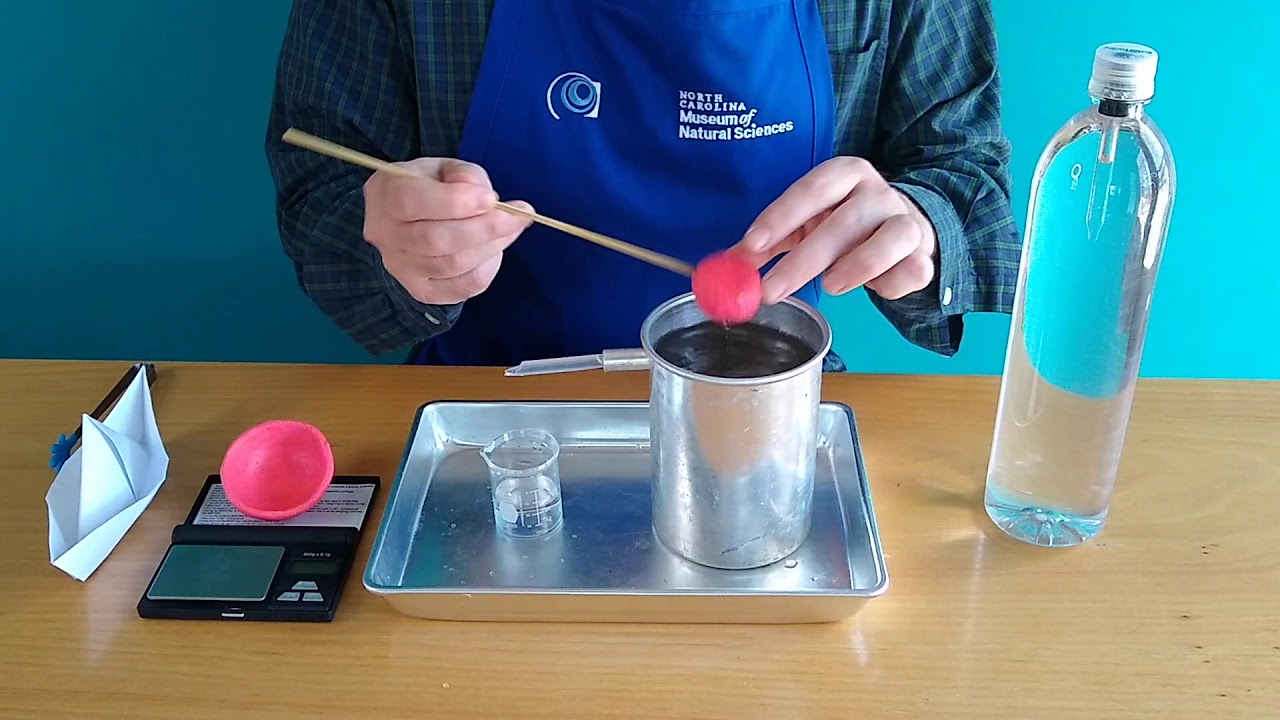
This project allows students to test various objects for buoyancy, demonstrating Archimedes' principle. It engages students in hands-on learning about density and displacement.

7 days·middle
Astronomical Observation - Tracking Planetary Motion
physicsmedium

Astronomical Observation - Tracking Planetary Motion

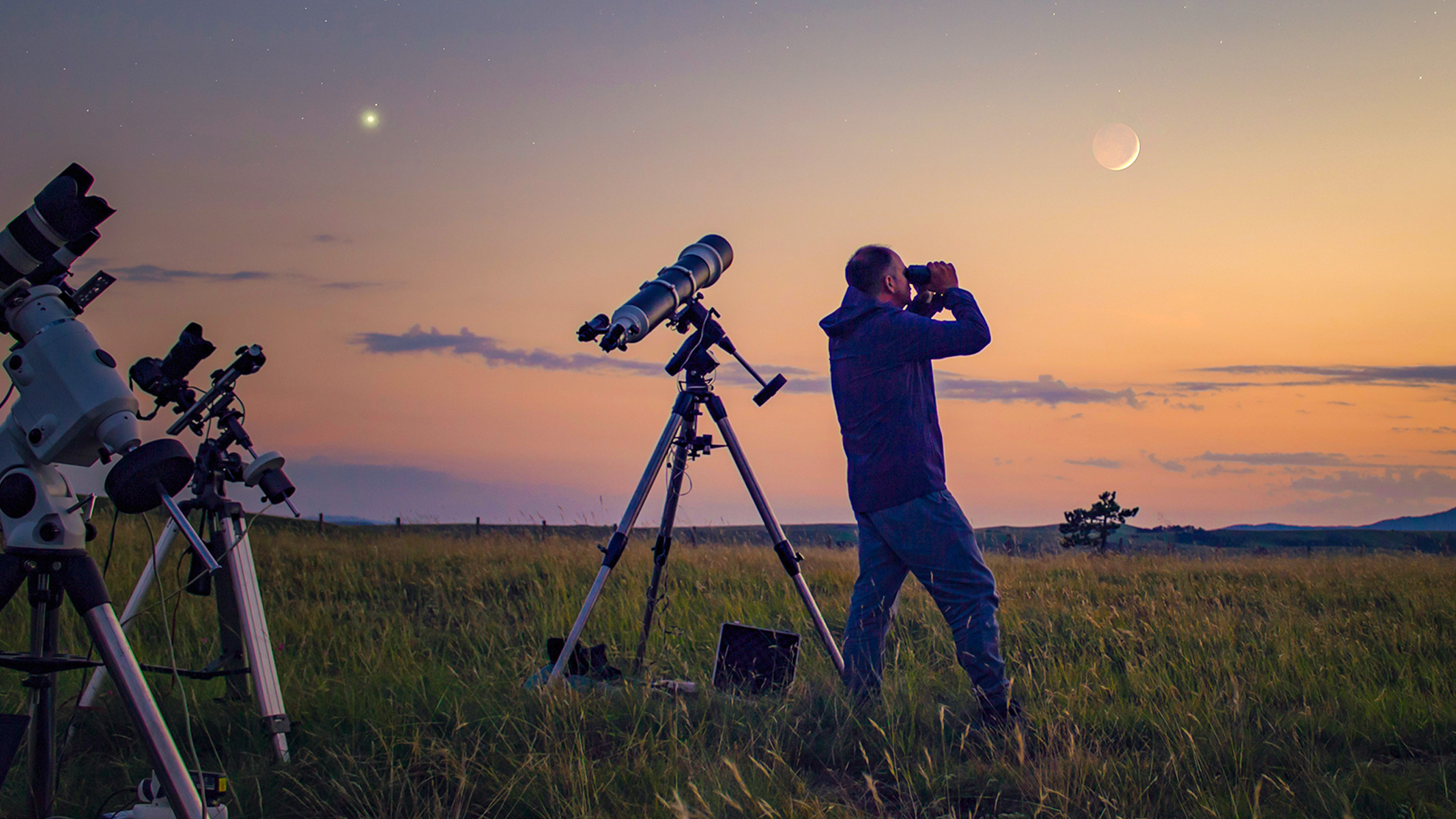
In this project, you will observe and record the positions of planets in the night sky over a month. By using a telescope or binoculars, you will track their movements, document their position on specific dates, and analyze their orbits to understand celestial mechanics. This project fosters an appreciation of astronomy and the dynamics of our solar system.

14 days·high
Atmospheric Pressure and Weather Patterns Analysis
physicsmedium

Atmospheric Pressure and Weather Patterns Analysis

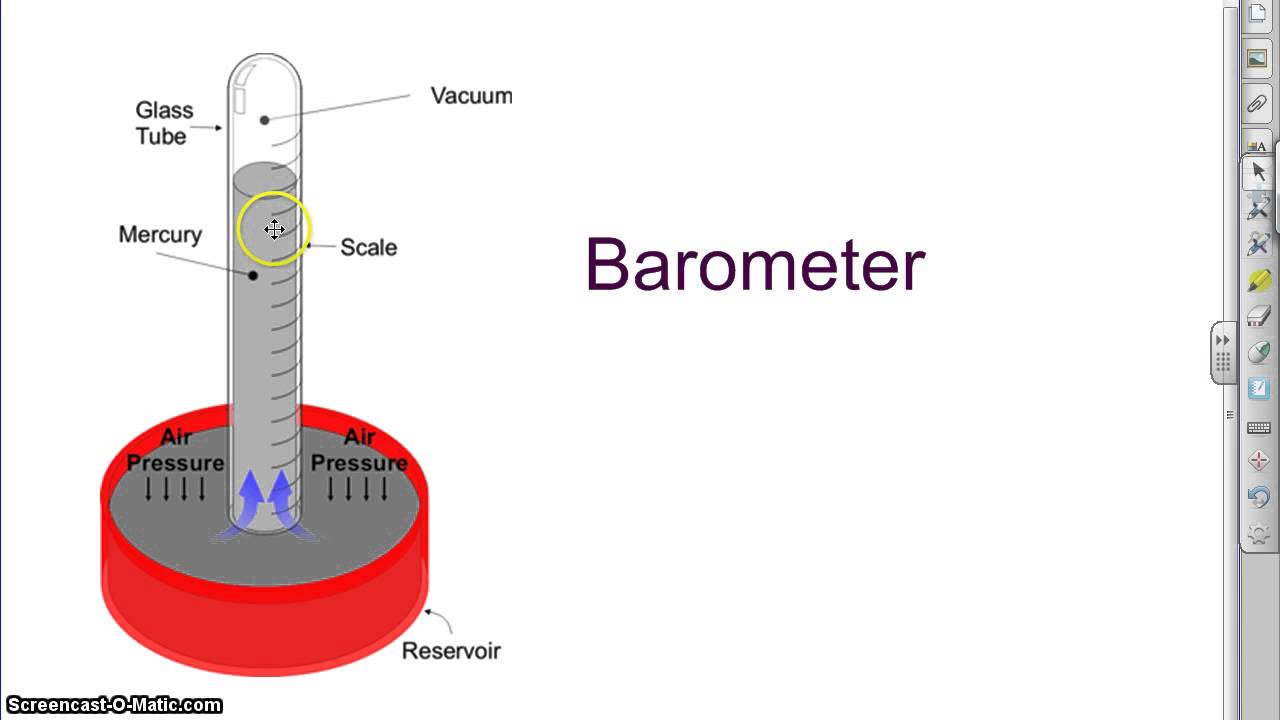
This project investigates how changes in atmospheric pressure correlate with weather conditions. By using a barometer to measure pressure and recording local weather patterns over a week, you will analyze the data to determine relationships and predict weather changes. This project emphasizes the importance of atmospheric science in understanding our climate.

7 days·middle
Balancing Act: Finding the Center of Gravity of Irregular Shapes
physicseasy

Balancing Act: Finding the Center of Gravity of Irregular Shapes

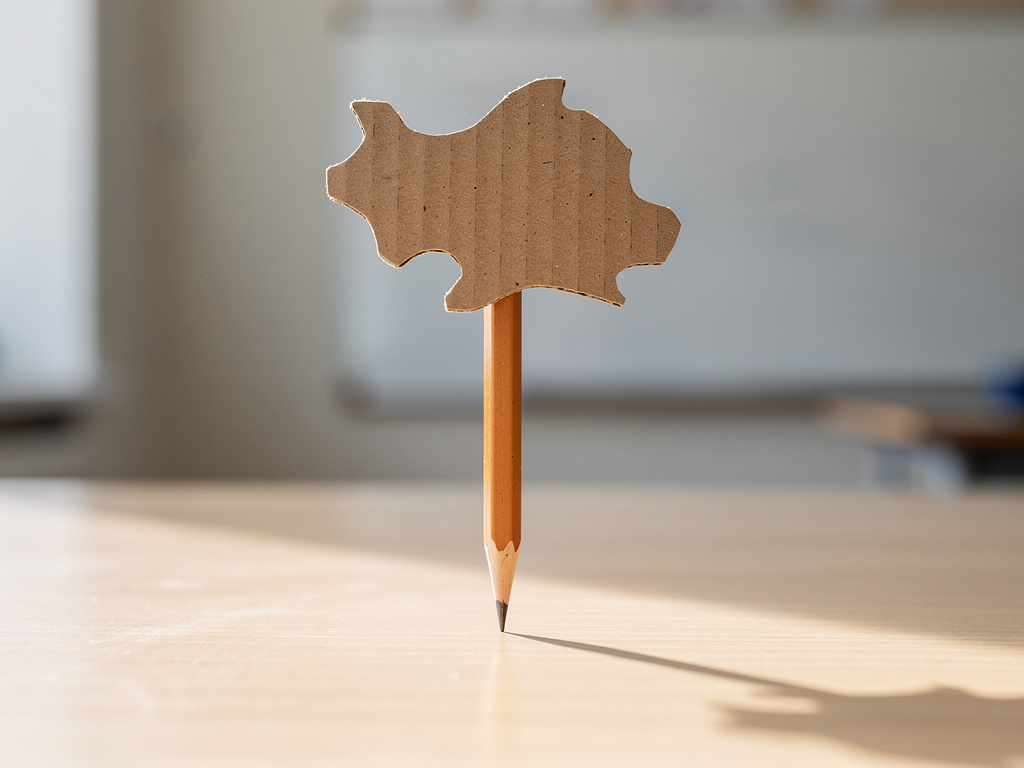
Discover how to find the center of gravity by balancing cardboard cutouts of irregular shapes on a pencil point. This project explores how different shapes distribute weight and balance.

2 days·elementary

Like this project? Get more ideas!