Science Fair Projects
physicseasy elementary 60 days

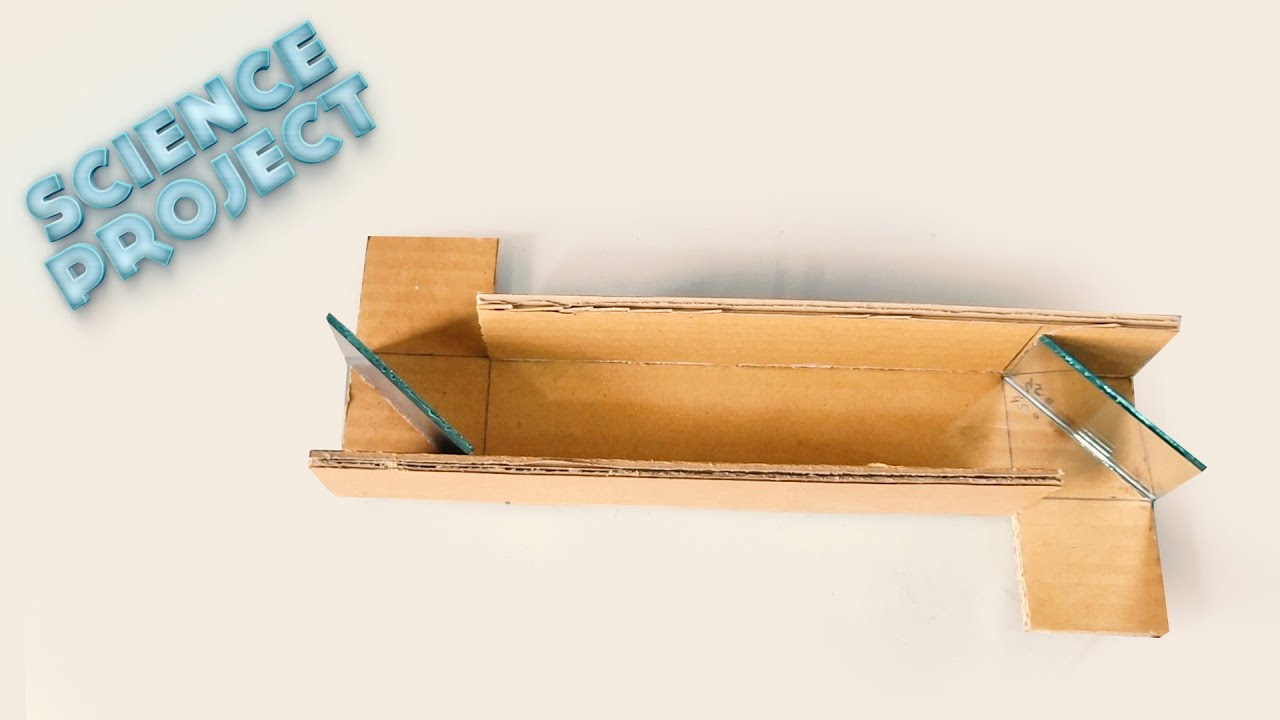
Building a Periscope - Light Reflection Project

In this engaging project, students will build a simple periscope using mirrors and a cardboard tube. This project will teach them about the reflection of light, angles, and how periscopes are used in real life. It's a fun and practical way to introduce young learners to basic principles of physics and optics.

Building a Periscope - Light Reflection Project

Hypothesis

If I position two mirrors at an angle in a tube, then I will be able to see an image from a different perspective.

Materials Needed

cardboard tube (toilet paper roll) — 1Buy
two small mirrors — 2Buy
scissors — 1Buy
tape — 1 rollBuy
ruler — 1Buy

As an Amazon Associate, this site earns from qualifying purchases.

Step-by-Step Procedure

  1. 1

    Cut the cardboard tube to a length of about 10 inches.

  2. 2

    Cut two small openings on opposite sides of the tube, about 2 inches from the top.

  3. 3

    Place a mirror at a 45-degree angle in each opening using tape.

  4. 4

    Ensure the mirrors face each other inside the tube.

  5. 5

    Stand the periscope upright and look through the open end.

  6. 6

    Test the periscope by placing it at different angles to see the reflected images.

  7. 7

    Discuss how the angles of the mirrors affect the reflection.

  8. 8

    Clean up and put away materials safely.

Expected Results

Students will be able to see an image from a different angle through the periscope, demonstrating principles of light reflection.

Variables

Independent Variable

Angle of mirrors

Dependent Variable

Quality of the reflected image

Controlled Variables

length of the tube, size of mirrors, light conditions

Safety Notes

Be cautious with scissors when cutting materials.

Presentation Tips

  • Demonstrate how the periscope works during the presentation.

  • Use diagrams to explain the principle of light reflection.

  • Encourage the audience to try looking through the periscope.

  • Discuss real-life applications of periscopes.

Frequently Asked Questions

Why do the mirrors have to be at an angle?

The angles allow light to reflect and change direction.

Can I use different types of mirrors?

Yes, but flat mirrors are best for clear reflections.

Is this project safe for young children?

Yes, with proper supervision when using scissors.

Related Projects

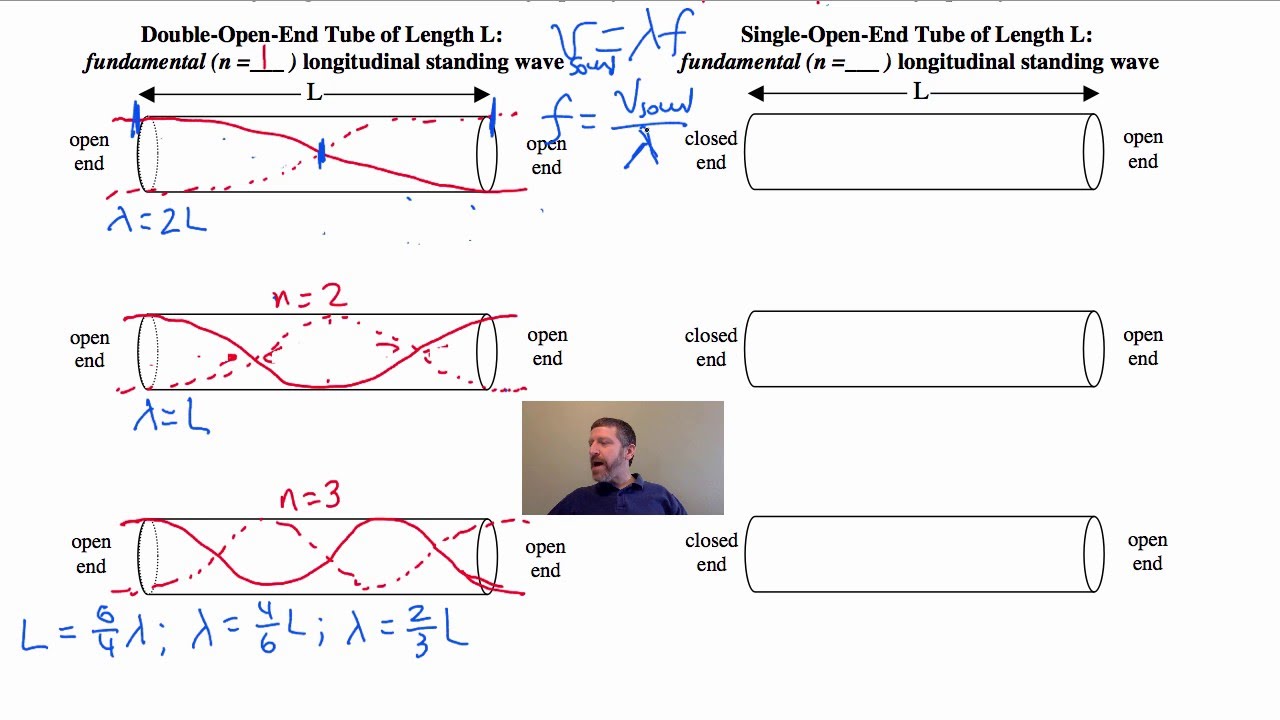
Acoustic Resonance Experiment: Standing Waves in Tubes Science Fair Project
physicsmedium

Acoustic Resonance Experiment: Standing Waves in Tubes Science Fair Project

This experiment allows you to explore sound waves and resonance using tubes. By creating standing waves, you'll visualize how sound behaves in different environments. Perfect for middle school science fairs!

7 days·middle
Analyzing Quantum Tunneling in Semiconductor Devices
physicshard

Analyzing Quantum Tunneling in Semiconductor Devices

This project investigates quantum tunneling phenomena within semiconductor devices. Students will measure how electrons traverse energy barriers and analyze how this impacts device efficiency.

25 days·high
Archimedes' Principle: Testing Buoyancy with Different Objects
physicsmedium

Archimedes' Principle: Testing Buoyancy with Different Objects

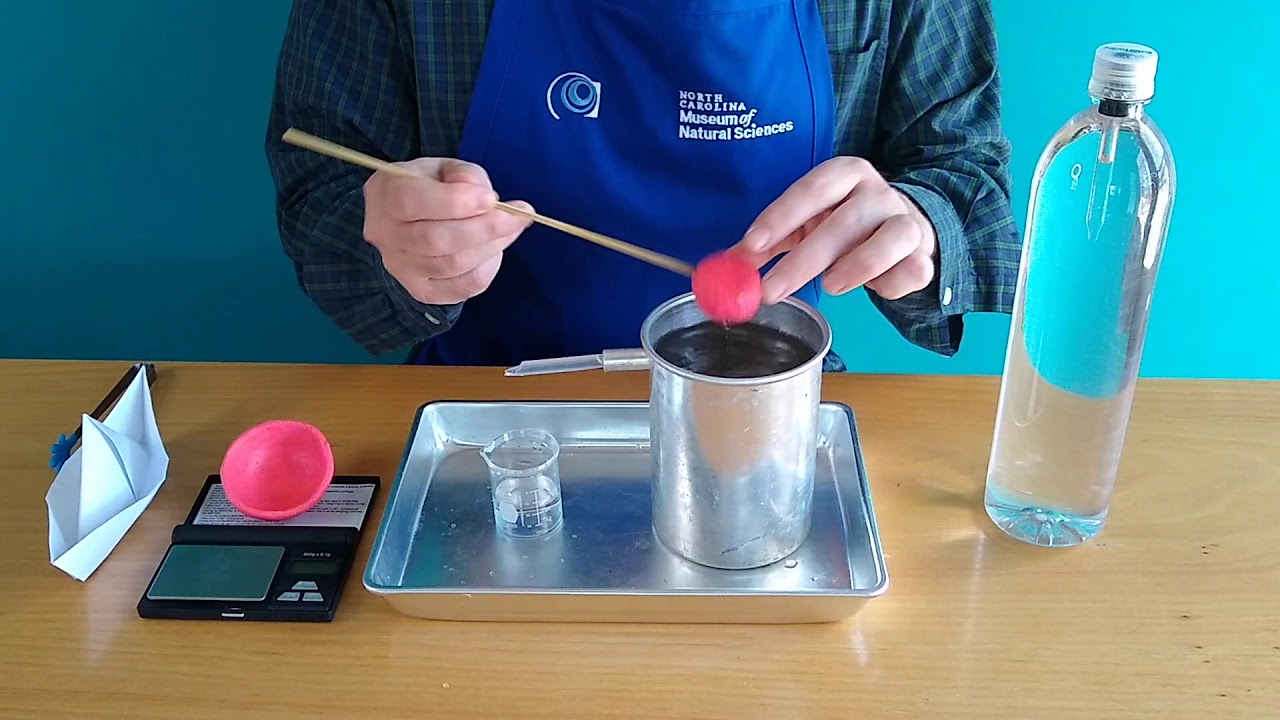
This project allows students to test various objects for buoyancy, demonstrating Archimedes' principle. It engages students in hands-on learning about density and displacement.

7 days·middle
Astronomical Observation - Tracking Planetary Motion
physicsmedium

Astronomical Observation - Tracking Planetary Motion

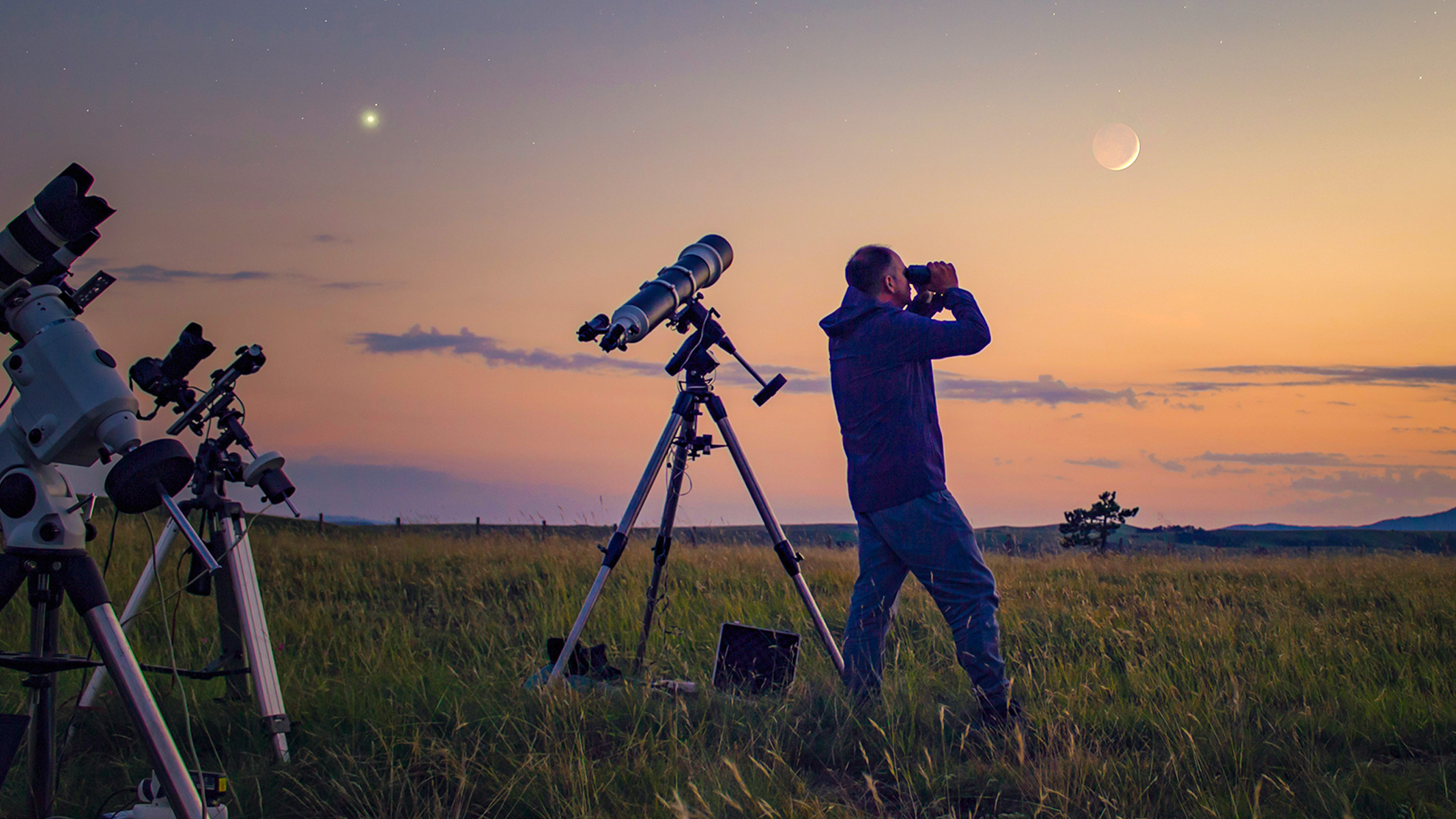
In this project, you will observe and record the positions of planets in the night sky over a month. By using a telescope or binoculars, you will track their movements, document their position on specific dates, and analyze their orbits to understand celestial mechanics. This project fosters an appreciation of astronomy and the dynamics of our solar system.

14 days·high
Atmospheric Pressure and Weather Patterns Analysis
physicsmedium

Atmospheric Pressure and Weather Patterns Analysis

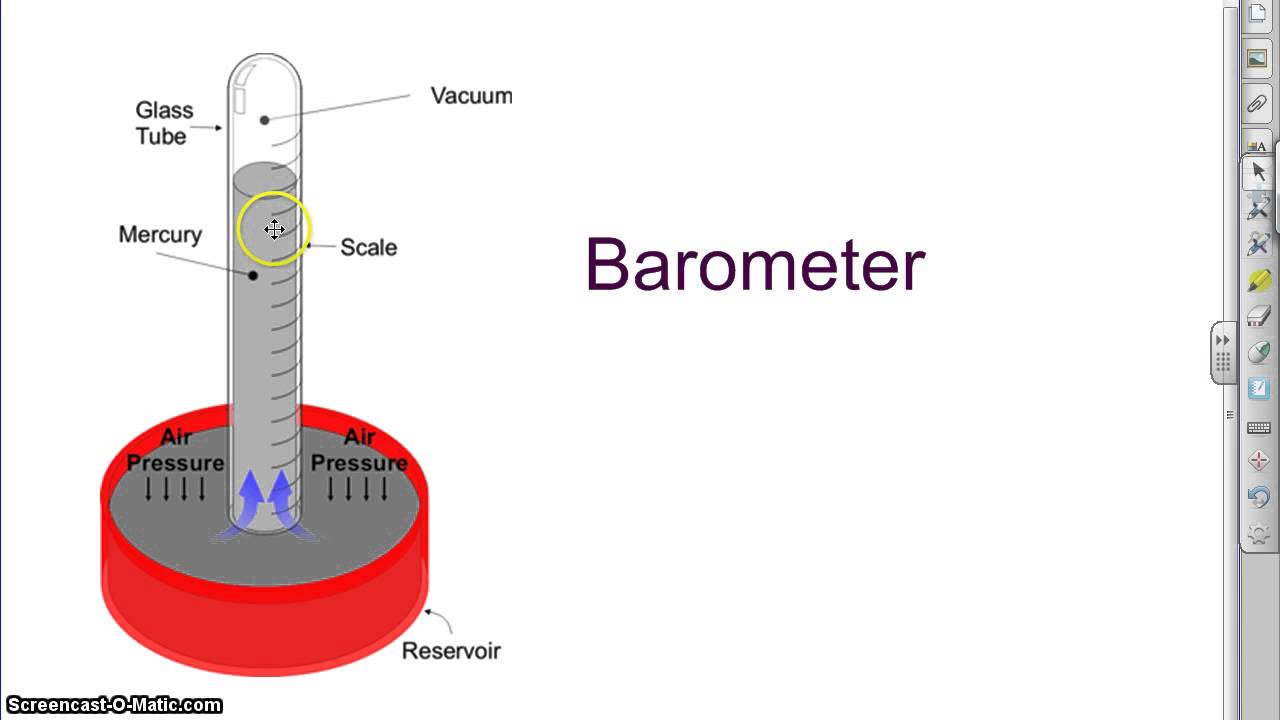
This project investigates how changes in atmospheric pressure correlate with weather conditions. By using a barometer to measure pressure and recording local weather patterns over a week, you will analyze the data to determine relationships and predict weather changes. This project emphasizes the importance of atmospheric science in understanding our climate.

7 days·middle
Balancing Act: Finding the Center of Gravity of Irregular Shapes
physicseasy

Balancing Act: Finding the Center of Gravity of Irregular Shapes

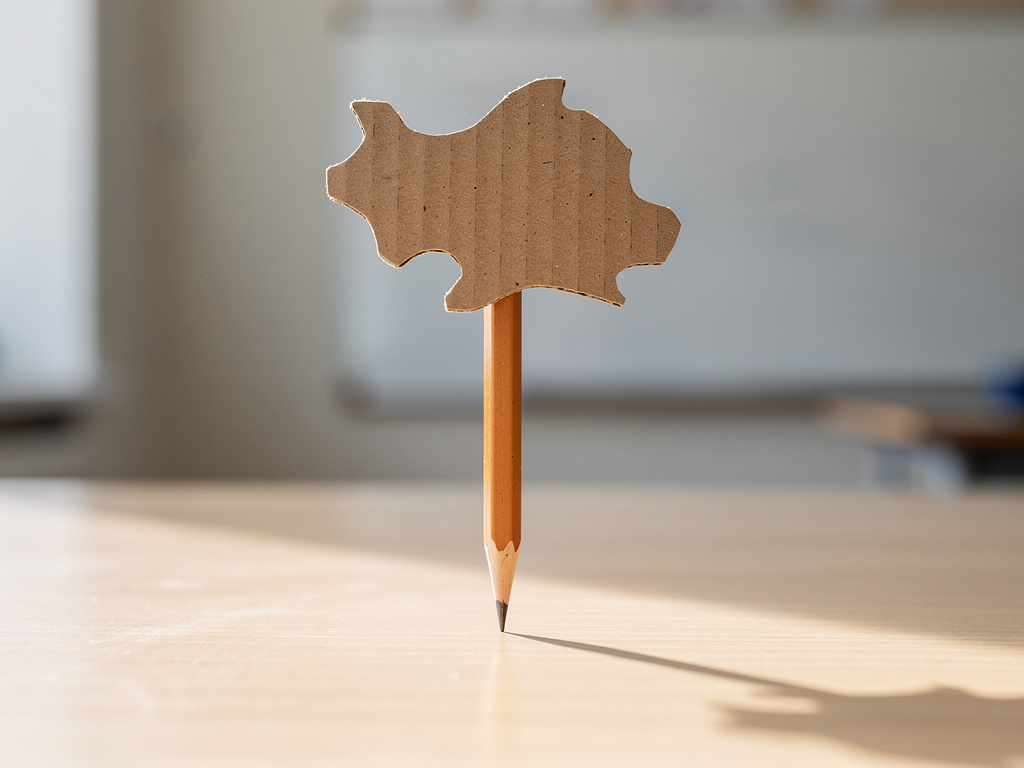
Discover how to find the center of gravity by balancing cardboard cutouts of irregular shapes on a pencil point. This project explores how different shapes distribute weight and balance.

2 days·elementary

Like this project? Get more ideas!