Science Fair Projects
physicsmedium middle 10 days

Boyle's Law Gas Laws Experiment Science Project

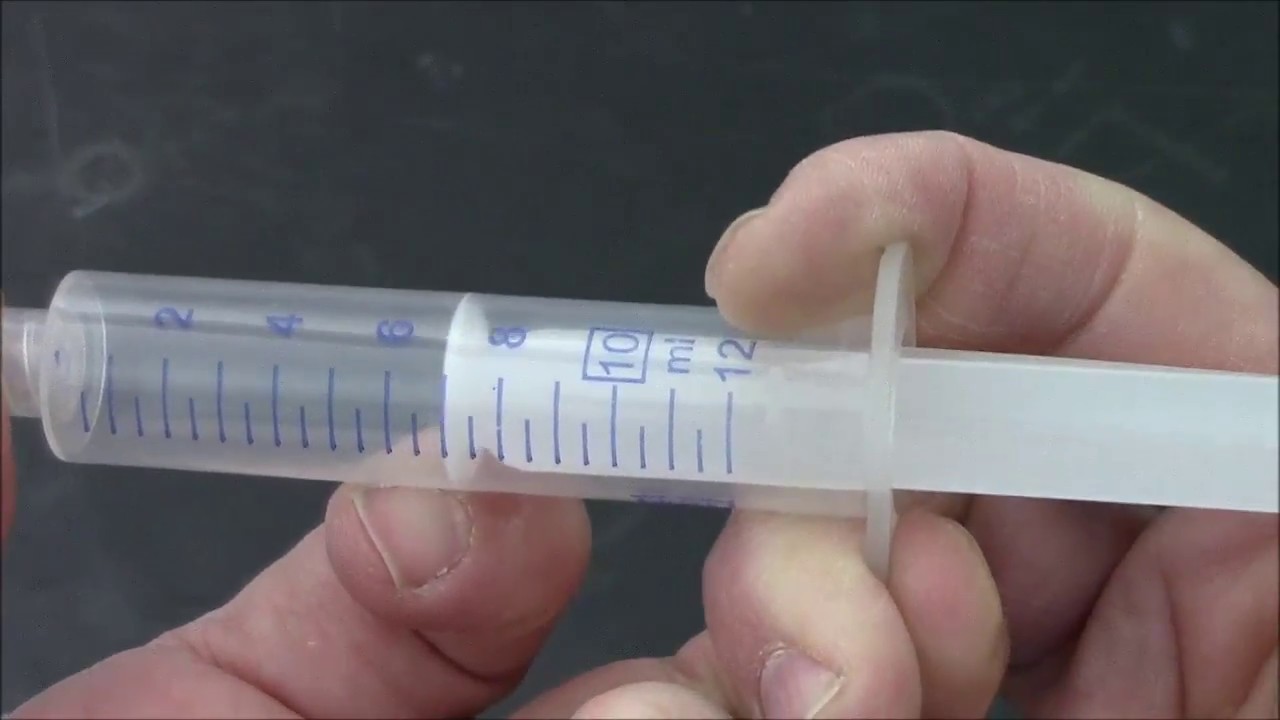
This project explores Boyle's Law by using syringes to demonstrate how gas volume and pressure are inversely related. As you compress the gas, observe how the volume decreases while the pressure increases, providing a practical understanding of this foundational gas law.

Boyle's Law Gas Laws Experiment Science Project

Hypothesis

If the volume of the gas decreases, then the pressure will increase, demonstrating Boyle's Law.

Materials Needed

Syringes (without needles)2Buy
Rubber bands5Buy
Ruler1Buy
Balloon1Buy
Scale1Buy
Notebook for observations1Buy
Safety goggles1Buy

As an Amazon Associate, this site earns from qualifying purchases.

Step-by-Step Procedure

  1. 1

    Assemble the syringes without needles and prepare to measure gas.

  2. 2

    Fill one syringe with air and measure its initial volume.

  3. 3

    Use rubber bands to apply pressure by compressing the syringe.

  4. 4

    Measure the new volume after applying pressure.

  5. 5

    Record the pressure applied and the corresponding volume.

  6. 6

    Repeat the process for different levels of pressure and record each outcome.

  7. 7

    Analyze the relationship between pressure and volume.

  8. 8

    Draw conclusions based on the experimental data.

Expected Results

You will observe that as the volume of the gas decreases, the pressure increases, confirming Boyle's Law. Data points will show an inverse relationship, illustrating the mathematical principle.

Variables

Independent Variable

Volume of gas

Dependent Variable

Pressure of gas

Controlled Variables

Type of gas, Temperature, Syringe size

Safety Notes

Use safety goggles to protect your eyes while conducting the experiment, especially when applying pressure.

Presentation Tips

  • Show graphs of your results to illustrate the relationship.

  • Explain Boyle's Law with everyday examples.

  • Use clear labels on your data and results.

  • Incorporate videos or live demonstrations.

Frequently Asked Questions

Like this project? Get more ideas!