Science Fair Projects
physicsmedium elementary 5 days

Balloon-Powered Car: Exploring Newton's Laws

Build a simple car powered by a balloon and investigate how Newton's laws of motion apply to its movement. Test different variables to see their effect on the car's performance.

Balloon-Powered Car: Exploring Newton's Laws

Hypothesis

If the size of the balloon is increased, then the car will travel a longer distance due to greater propulsion force.

Materials Needed

Balloon — 3Buy
Plastic straws — 4Buy
Wooden skewers — 2Buy
Bottle caps — 4Buy
Tape — 1Buy
Cardboard — 1Buy
Scissors — 1Buy

As an Amazon Associate, this site earns from qualifying purchases.

Step-by-Step Procedure

  1. 1

    Step 1: Cut the cardboard into a rectangular shape to form the base of the car.

  2. 2

    Step 2: Attach the bottle caps to the ends of the skewers to create wheels.

  3. 3

    Step 3: Tape the wheels to the cardboard base, ensuring they can rotate freely.

  4. 4

    Step 4: Cut a straw into two pieces and tape each piece horizontally on the cardboard to hold the skewers in place.

  5. 5

    Step 5: Inflate a balloon and attach its neck to one end of a straw.

  6. 6

    Step 6: Tape the straw and balloon assembly securely onto the top of the car.

  7. 7

    Step 7: Place the car on a smooth surface and release the balloon to power the car.

  8. 8

    Step 8: Measure the distance traveled by the car and record the data.

  9. 9

    Step 9: Repeat the experiment with different balloon sizes and record the results.

  10. 10

    Step 10: Analyze the data to determine the relationship between balloon size and distance traveled.

Expected Results

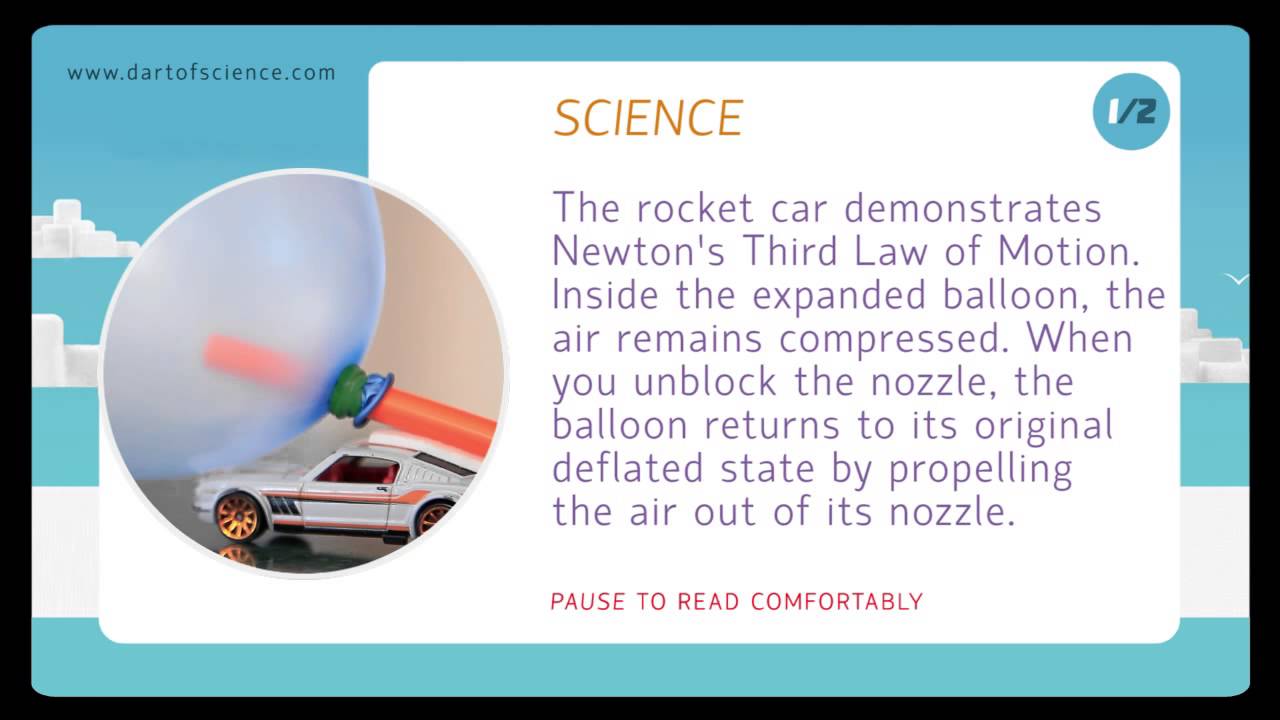
The car is expected to travel further with a larger balloon due to increased force exerted by the escaping air. This demonstrates Newton's third law: for every action, there is an equal and opposite reaction.

Variables

Independent Variable

Balloon size

Dependent Variable

Distance traveled by the car

Controlled Variables

Car weight, Surface type, Wheel size

Safety Notes

Ensure scissors are used safely and that the balloon is not over-inflated to prevent bursting.

Presentation Tips

  • Use diagrams to explain Newton's laws of motion.

  • Include a video of the car in action.

  • Show a graph of balloon size vs. distance traveled.

Frequently Asked Questions

What part of the car affects its speed the most?

The size of the balloon and the smoothness of the car's wheels have a significant impact on speed.

Can different weights affect the results?

Yes, additional weight can slow down the car, affecting the distance it travels.

How can I make the car go faster?

Use a larger balloon and ensure the wheels rotate smoothly with minimal friction.

Related Projects

Acoustic Resonance Experiment: Standing Waves in Tubes Science Fair Project
physicsmedium

Acoustic Resonance Experiment: Standing Waves in Tubes Science Fair Project

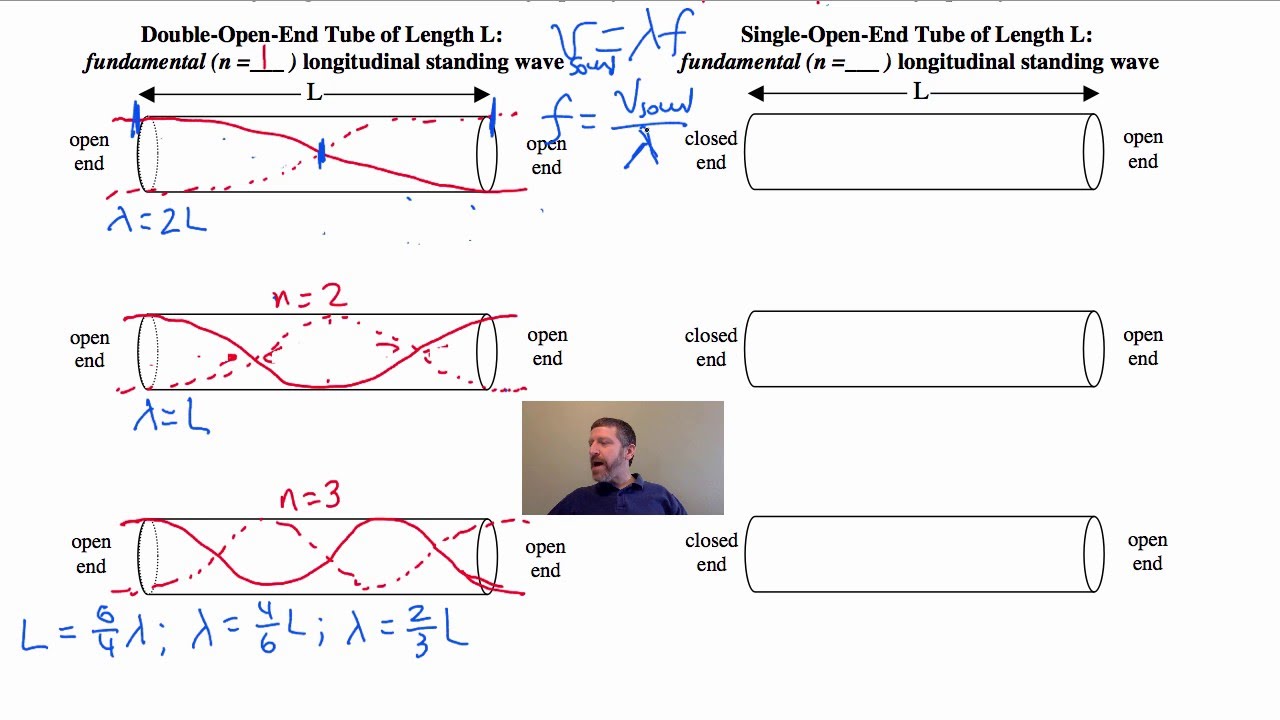
This experiment allows you to explore sound waves and resonance using tubes. By creating standing waves, you'll visualize how sound behaves in different environments. Perfect for middle school science fairs!

7 days·middle
Analyzing Quantum Tunneling in Semiconductor Devices
physicshard

Analyzing Quantum Tunneling in Semiconductor Devices

This project investigates quantum tunneling phenomena within semiconductor devices. Students will measure how electrons traverse energy barriers and analyze how this impacts device efficiency.

25 days·high
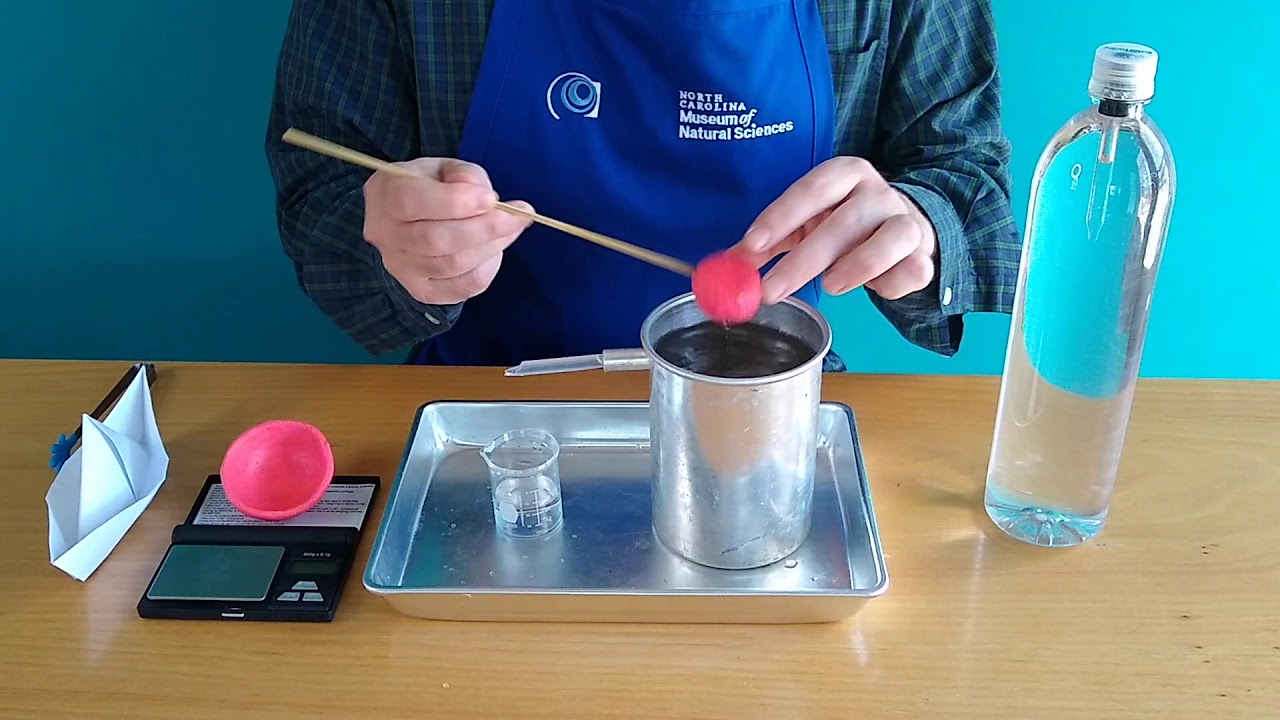
Archimedes' Principle: Testing Buoyancy with Different Objects
physicsmedium

Archimedes' Principle: Testing Buoyancy with Different Objects

This project allows students to test various objects for buoyancy, demonstrating Archimedes' principle. It engages students in hands-on learning about density and displacement.

7 days·middle
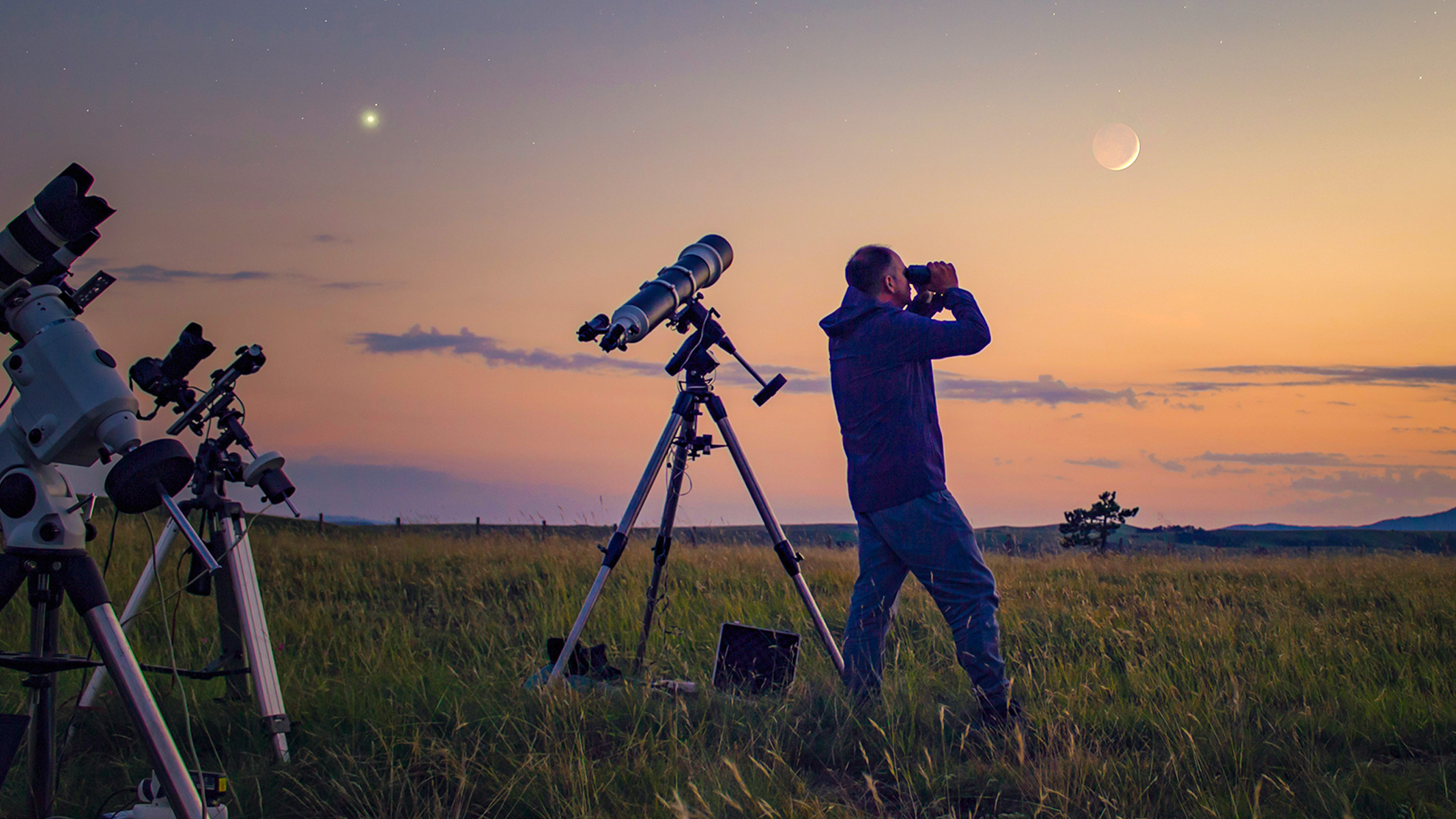
Astronomical Observation - Tracking Planetary Motion
physicsmedium

Astronomical Observation - Tracking Planetary Motion

In this project, you will observe and record the positions of planets in the night sky over a month. By using a telescope or binoculars, you will track their movements, document their position on specific dates, and analyze their orbits to understand celestial mechanics. This project fosters an appreciation of astronomy and the dynamics of our solar system.

14 days·high
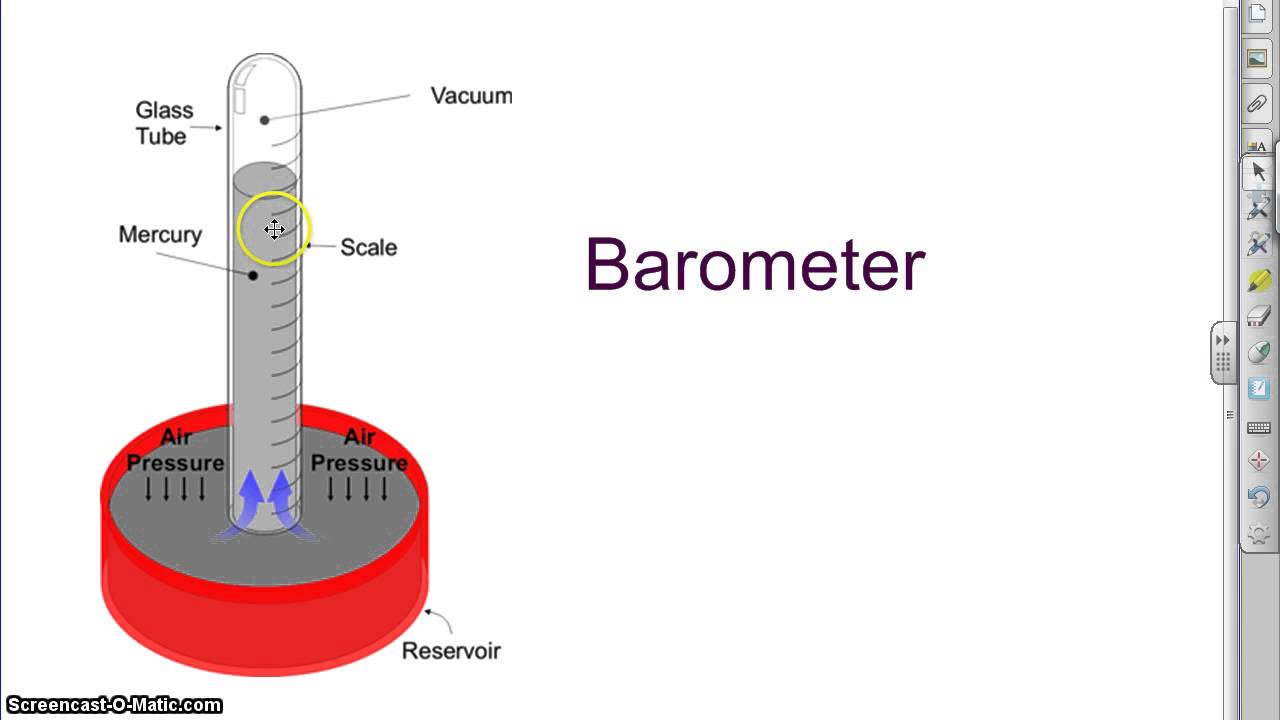
Atmospheric Pressure and Weather Patterns Analysis
physicsmedium

Atmospheric Pressure and Weather Patterns Analysis

This project investigates how changes in atmospheric pressure correlate with weather conditions. By using a barometer to measure pressure and recording local weather patterns over a week, you will analyze the data to determine relationships and predict weather changes. This project emphasizes the importance of atmospheric science in understanding our climate.

7 days·middle
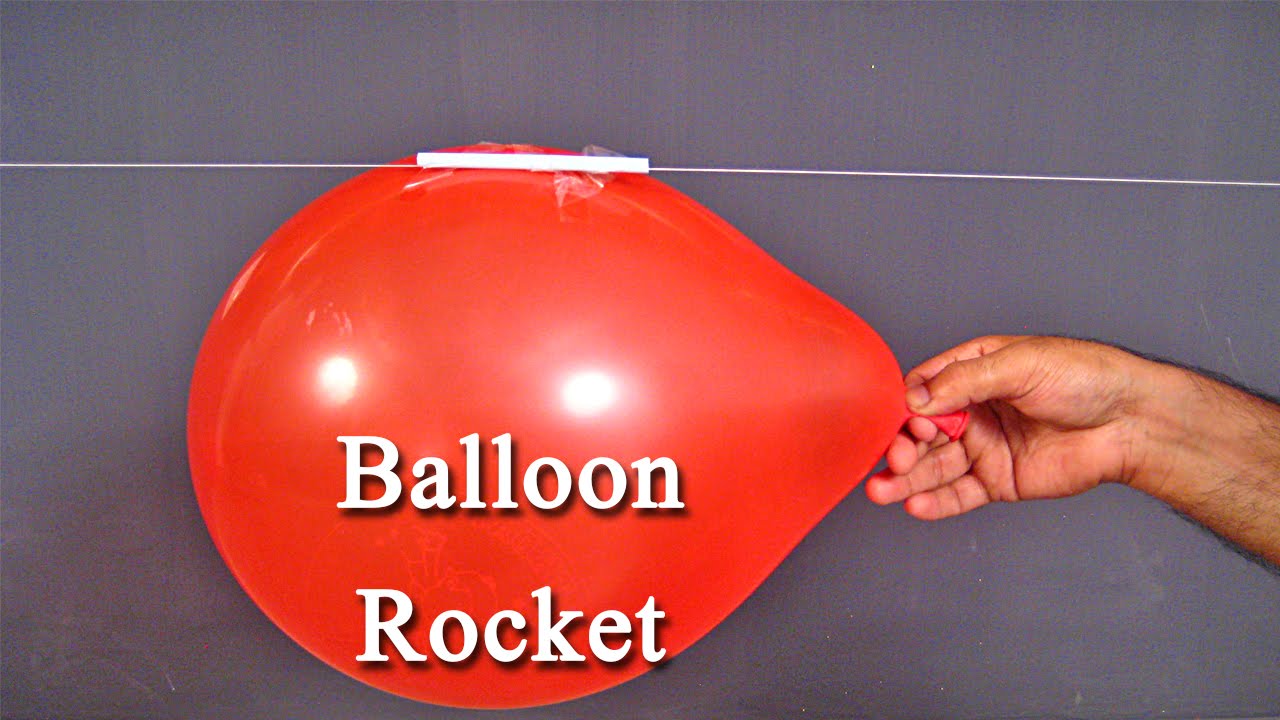
Balloon Rocket Experiment: Explore Newton's Third Law in Action
physicseasy

Balloon Rocket Experiment: Explore Newton's Third Law in Action

This exciting balloon rocket experiment demonstrates Newton's third law of motion. By launching balloons, students can visually see how every action creates an equal and opposite reaction!

1 days·middle

Like this project? Get more ideas!