Science Fair Projects
chemistryeasy elementary 2 days

Which Chocolate Melts Fastest? A Study of Melting Points

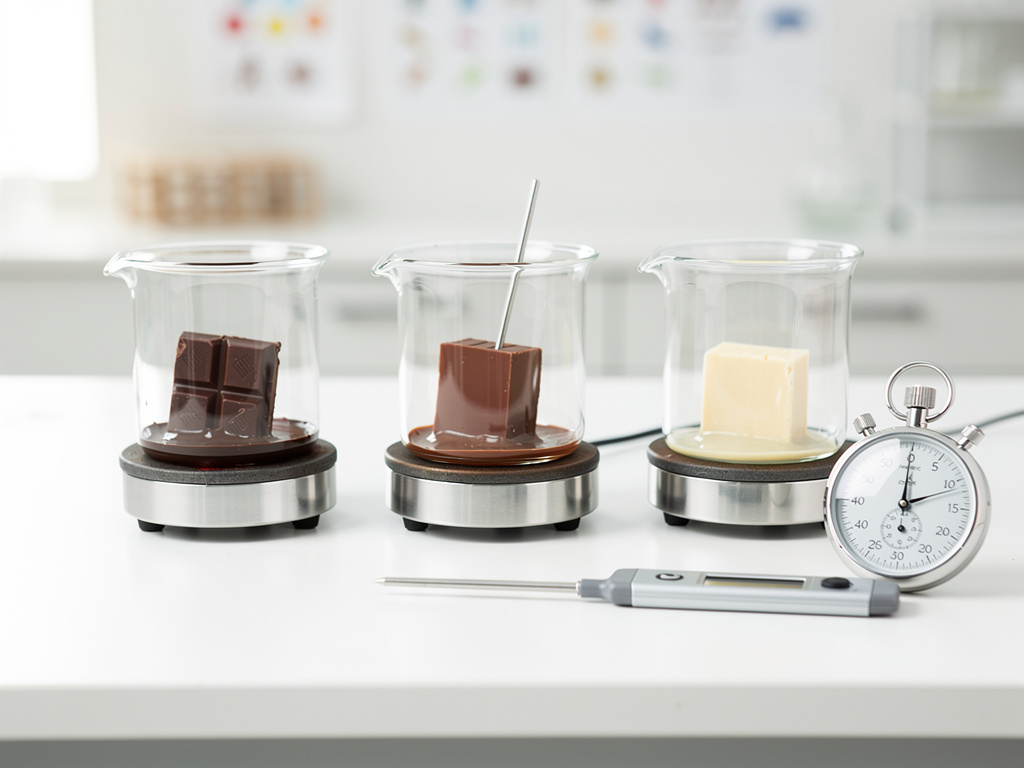
This project investigates which type of chocolate—dark, milk, or white—melts the fastest. Students will explore how different ingredients affect melting points.

Which Chocolate Melts Fastest? A Study of Melting Points

Hypothesis

If different types of chocolate are exposed to the same temperature, then white chocolate will melt the fastest due to its higher sugar content.

Materials Needed

Dark chocolate — 1 barBuy
Milk chocolate — 1 barBuy
White chocolate — 1 barBuy
Small plates — 3Buy
Thermometer — 1Buy
Timer — 1Buy

As an Amazon Associate, this site earns from qualifying purchases.

Step-by-Step Procedure

  1. 1

    Break each type of chocolate into equal-sized pieces.

  2. 2

    Place a piece of each chocolate type on separate plates.

  3. 3

    Set the room temperature to a constant value if possible.

  4. 4

    Use a thermometer to ensure all chocolates are tested at the same temperature.

  5. 5

    Start the timer and observe which chocolate melts first.

  6. 6

    Record the time taken for each type of chocolate to melt completely.

  7. 7

    Repeat the experiment three times for reliable results.

  8. 8

    Analyze the data to determine which chocolate melts the fastest.

Expected Results

White chocolate is expected to melt the fastest due to its higher sugar and milk content, which lowers the melting point.

Variables

Independent Variable

Type of chocolate

Dependent Variable

Time taken to melt

Controlled Variables

Room temperature, Size of chocolate pieces, Surface on which chocolate is placed

Safety Notes

Ensure no one is allergic to chocolate and handle any hot materials carefully.

Presentation Tips

  • Create a bar graph to show the melting times of different chocolates.

  • Use pictures to illustrate the melting process.

  • Discuss why different chocolates have different melting points.

Frequently Asked Questions

Why does white chocolate melt faster?

Its higher sugar and milk content lower the melting point.

Can I use other brands of chocolate?

Yes, but ensure similar sizes and conditions for accuracy.

What if the chocolate doesn't melt?

Make sure the temperature is high enough to cause melting.

Related Projects

Acid Rain Alarm: The Impact of pH on Building Materials
chemistrymedium

Acid Rain Alarm: The Impact of pH on Building Materials

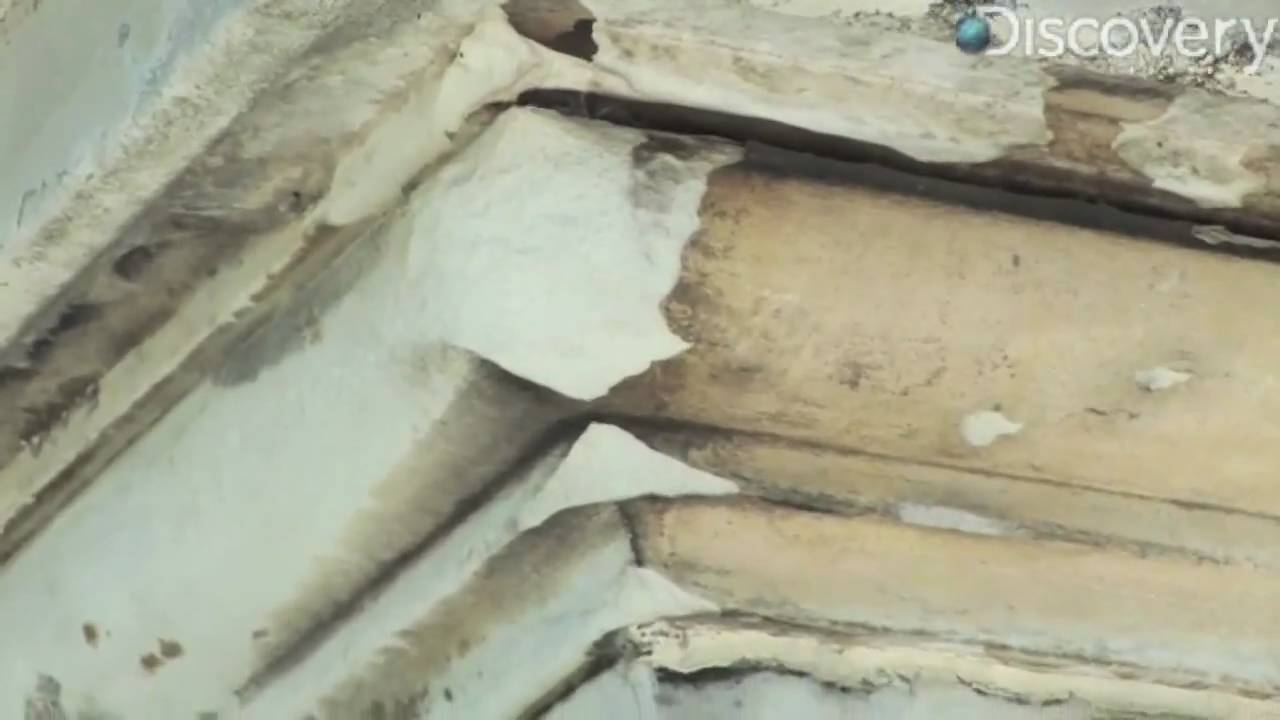
Students will simulate acid rain effects by applying solutions of varying pH levels to samples of common building materials. The project focuses on understanding how acid rain can damage infrastructure.

10 days·middle
Acid vs. Base: Which Is Stronger?
chemistrymedium

Acid vs. Base: Which Is Stronger?

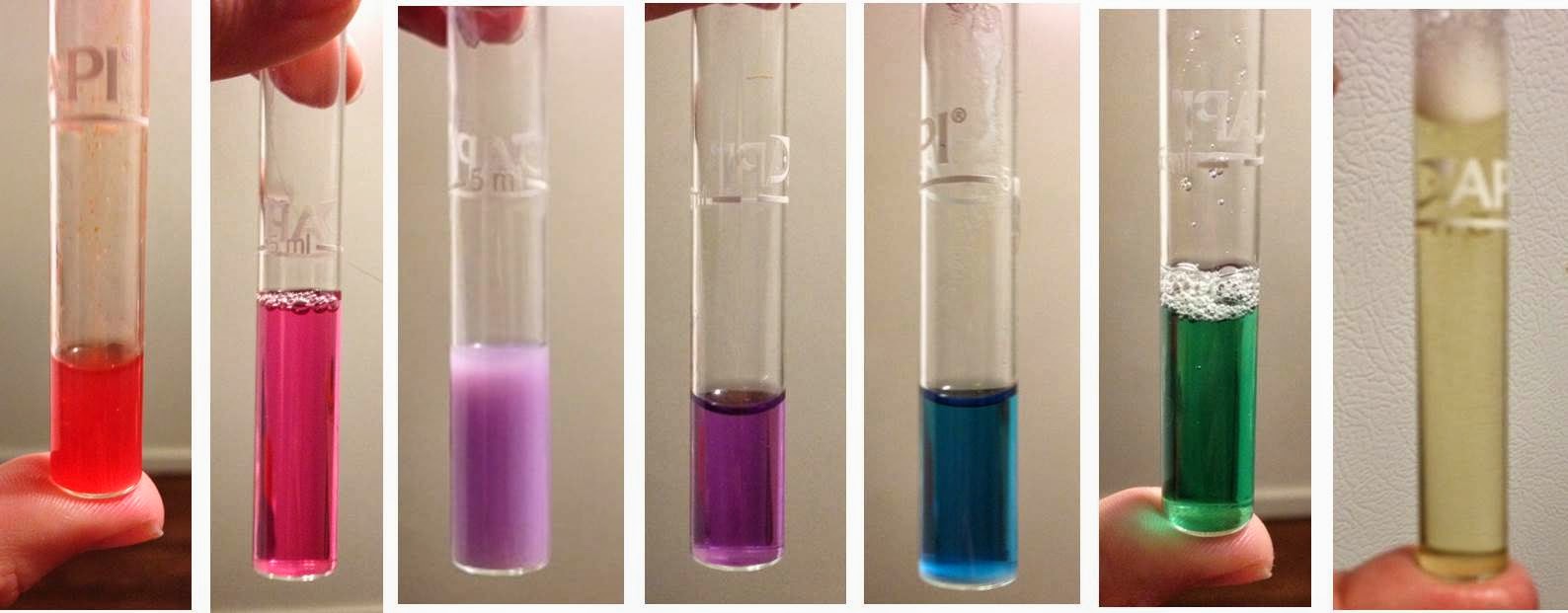
Students will investigate the comparative strength of different acids and bases by measuring their pH levels and observing their reactions with various indicators. This project will help elucidate the nature of acidic and basic solutions.

14 days·middle
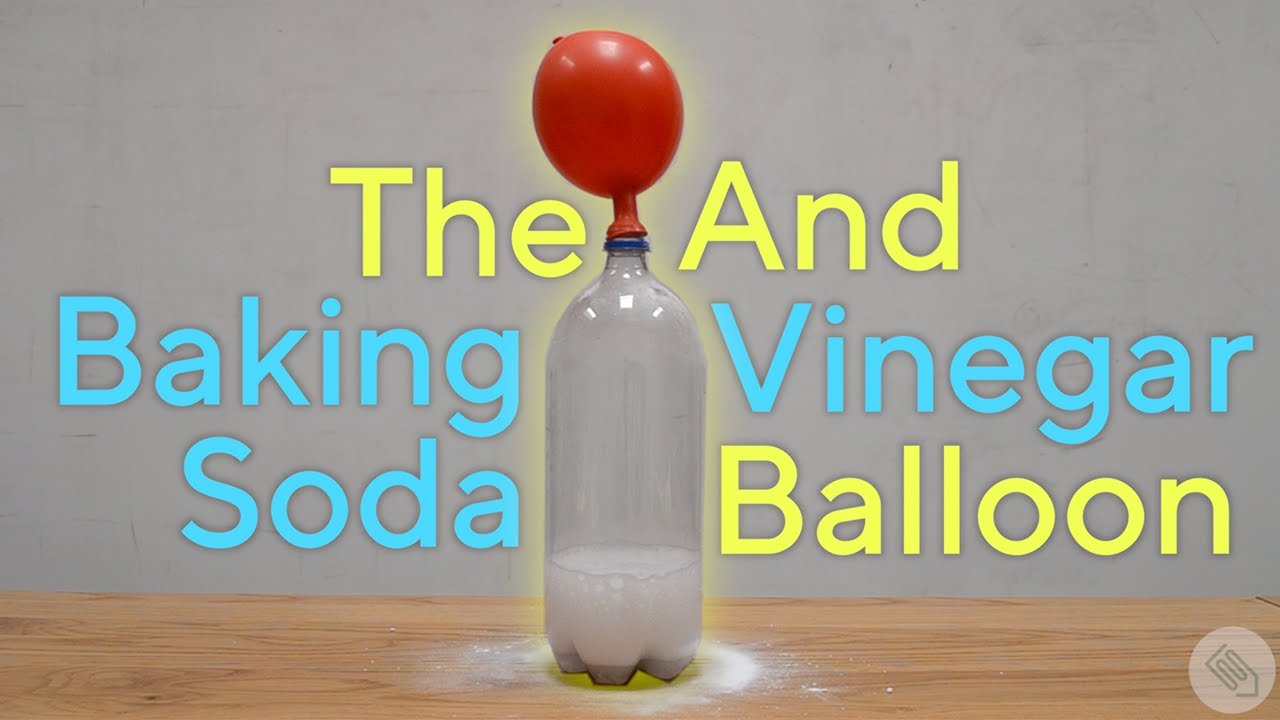
Baking Soda and Vinegar Balloon Inflation Experiment
chemistryeasy

Baking Soda and Vinegar Balloon Inflation Experiment

This exciting experiment demonstrates a chemical reaction between baking soda and vinegar that produces carbon dioxide gas, which inflates a balloon. It provides a hands-on approach to understanding reactions, gas expansion, and pressure in a controlled setting, making it ideal for middle school students interested in chemistry.

30 days·middle
Baking Soda and Vinegar Balloon Inflation Experiment Science Fair Project
chemistryeasy

Baking Soda and Vinegar Balloon Inflation Experiment Science Fair Project

This project demonstrates a fun and safe chemical reaction between baking soda and vinegar that produces carbon dioxide gas. Students will inflate a balloon using the gas produced, illustrating basic chemical principles.

1 days·elementary
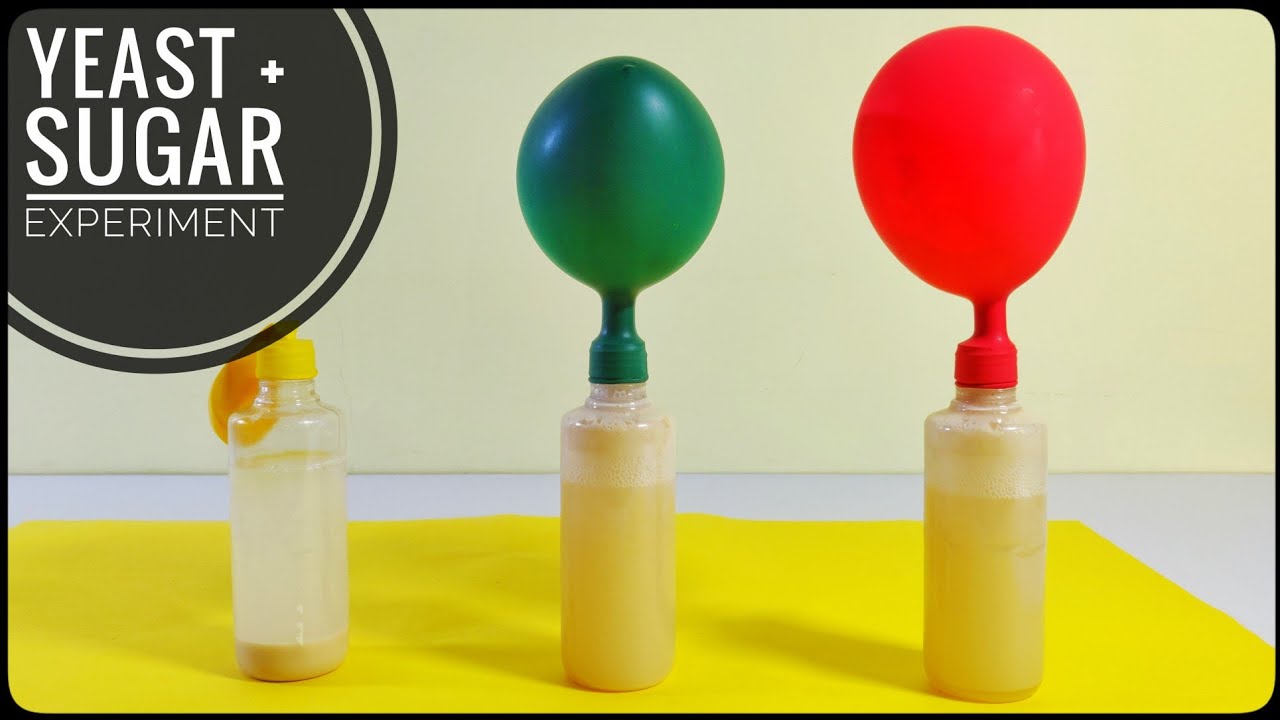
Balloon Blow-Up: The Power of Yeast and Sugar
chemistryeasy

Balloon Blow-Up: The Power of Yeast and Sugar

Students will observe the chemical reaction between yeast and sugar, which produces carbon dioxide gas that inflates a balloon. This project teaches about fermentation and gas production.

2 days·elementary
Biodegradable Plastics Science Project: Polymer Science
chemistryhard

Biodegradable Plastics Science Project: Polymer Science

This project focuses on creating biodegradable plastics using natural materials like starch and vinegar. Students will test the durability and decomposition rate, learning about sustainable alternatives to traditional plastics.

10 days·high

Like this project? Get more ideas!