Science Fair Projects
chemistrymedium middle 12 days

Taming the Flames: The Science of Fire Retardants

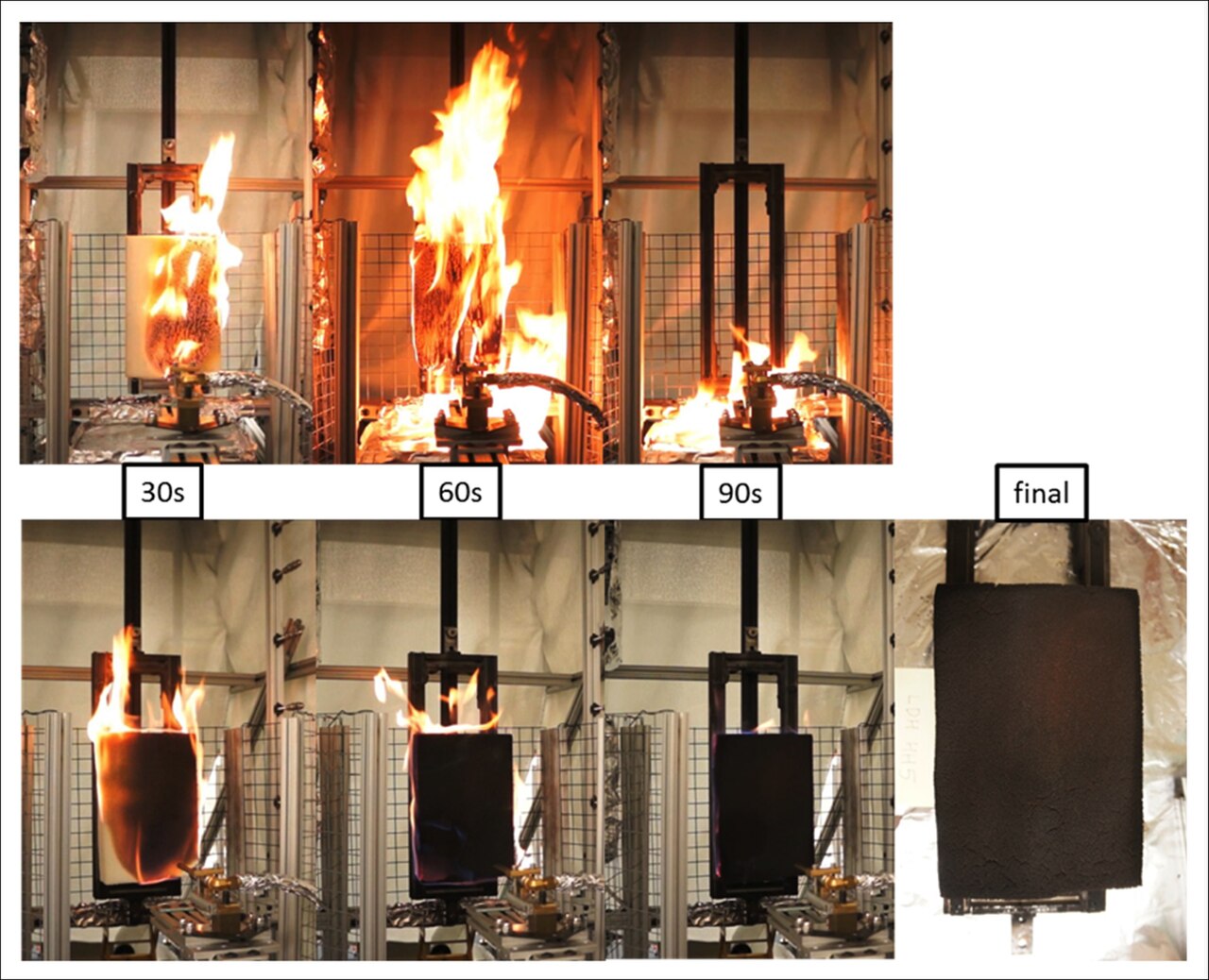
This project enables students to understand the chemical action of fire retardants. By applying potential retardants on cloth samples and exposing them to flame, students will investigate how these chemicals can prevent or slow down the burning process.

Taming the Flames: The Science of Fire Retardants

Hypothesis

If cloth is treated with different substances, then those with effective fire retardant properties will burn more slowly or not at all.

Materials Needed

Small cotton cloth samples — 10Buy
Boric acid — 50gBuy
Baking soda — 50gBuy
Ammonium phosphate — 50gBuy
Beakers — 3Buy
Matches or lighter — 1Buy
Water — 500mlBuy
Tongs — 1 pairBuy

As an Amazon Associate, this site earns from qualifying purchases.

Step-by-Step Procedure

  1. 1

    Prepare three solutions of boric acid, baking soda, and ammonium phosphate by dissolving in separate beakers with water.

  2. 2

    Dip cotton cloth samples in each solution and let them dry completely.

  3. 3

    Take one untreated cloth sample as a control.

  4. 4

    Using tongs, hold a treated cloth piece with a flame source to observe the burning rate.

  5. 5

    Record the time taken for each cloth to catch fire and burn.

  6. 6

    Repeat the process for all treated samples and compare results.

  7. 7

    Document observations and results in a chart or table.

Expected Results

Treated cloth samples are expected to burn more slowly compared to the untreated control sample. Some substances may completely prevent combustion.

Variables

Independent Variable

Type of fire retardant substance

Dependent Variable

Burning time of cloth

Controlled Variables

Cloth material, Exposure time to flame, Solution concentration

Safety Notes

Perform the experiment in a well-ventilated area. Handle flames with care and have a fire extinguisher nearby.

Presentation Tips

  • Display a comparison chart of burning times for different treatments.

  • Use before-and-after photos to illustrate the effectiveness of fire retardants.

  • Explain the chemical reactions that retardants use to prevent combustion.

  • Include a brief discussion on the real-world applications of fire retardants.

Frequently Asked Questions

What is a fire retardant?

Fire retardants are substances that reduce the flammability of materials and delay their combustion.

Why do some materials burn slower?

Certain chemicals decompose at high temperatures to produce water or gases that help cool the material and reduce oxygen availability.

Can these methods be used at home?

While some household substances like baking soda have mild fire retardant properties, professional fire retardants are recommended for safety.

Related Projects

Acid Rain Alarm: The Impact of pH on Building Materials
chemistrymedium

Acid Rain Alarm: The Impact of pH on Building Materials

Students will simulate acid rain effects by applying solutions of varying pH levels to samples of common building materials. The project focuses on understanding how acid rain can damage infrastructure.

10 days·middle
Acid vs. Base: Which Is Stronger?
chemistrymedium

Acid vs. Base: Which Is Stronger?

Students will investigate the comparative strength of different acids and bases by measuring their pH levels and observing their reactions with various indicators. This project will help elucidate the nature of acidic and basic solutions.

14 days·middle
Baking Soda and Vinegar Balloon Inflation Experiment
chemistryeasy

Baking Soda and Vinegar Balloon Inflation Experiment

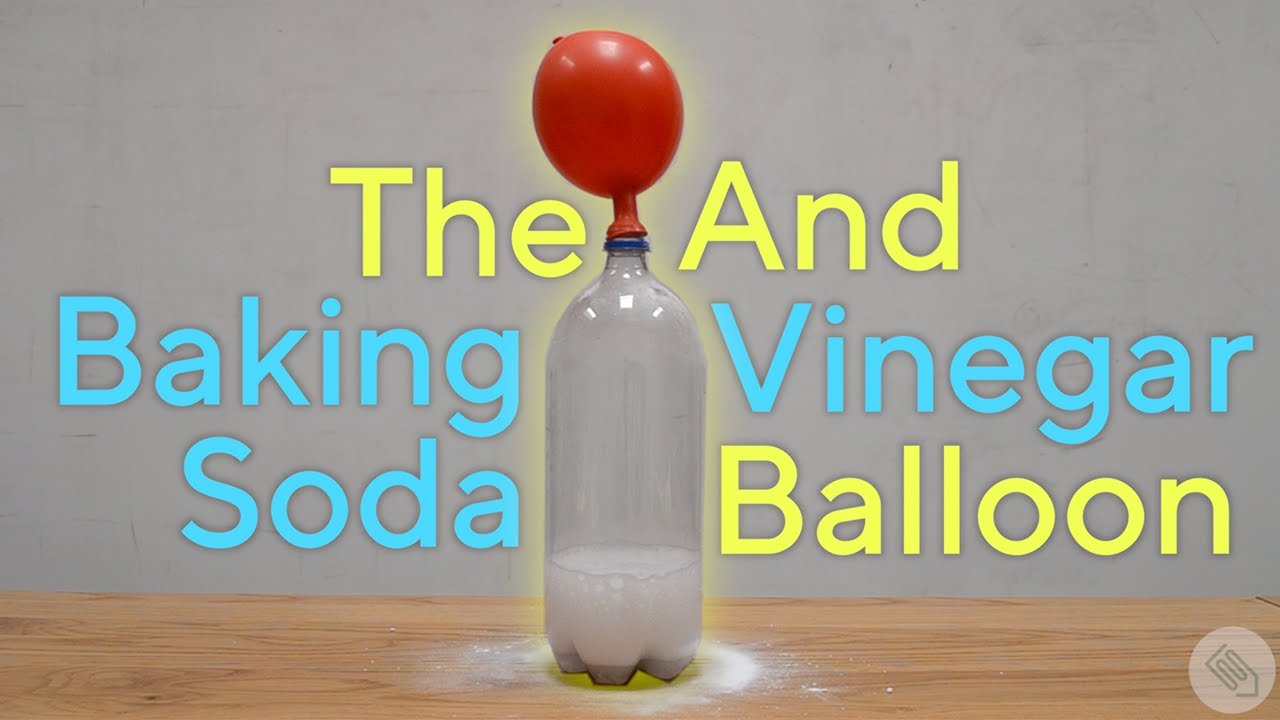
This exciting experiment demonstrates a chemical reaction between baking soda and vinegar that produces carbon dioxide gas, which inflates a balloon. It provides a hands-on approach to understanding reactions, gas expansion, and pressure in a controlled setting, making it ideal for middle school students interested in chemistry.

30 days·middle
Baking Soda and Vinegar Balloon Inflation Experiment Science Fair Project
chemistryeasy

Baking Soda and Vinegar Balloon Inflation Experiment Science Fair Project

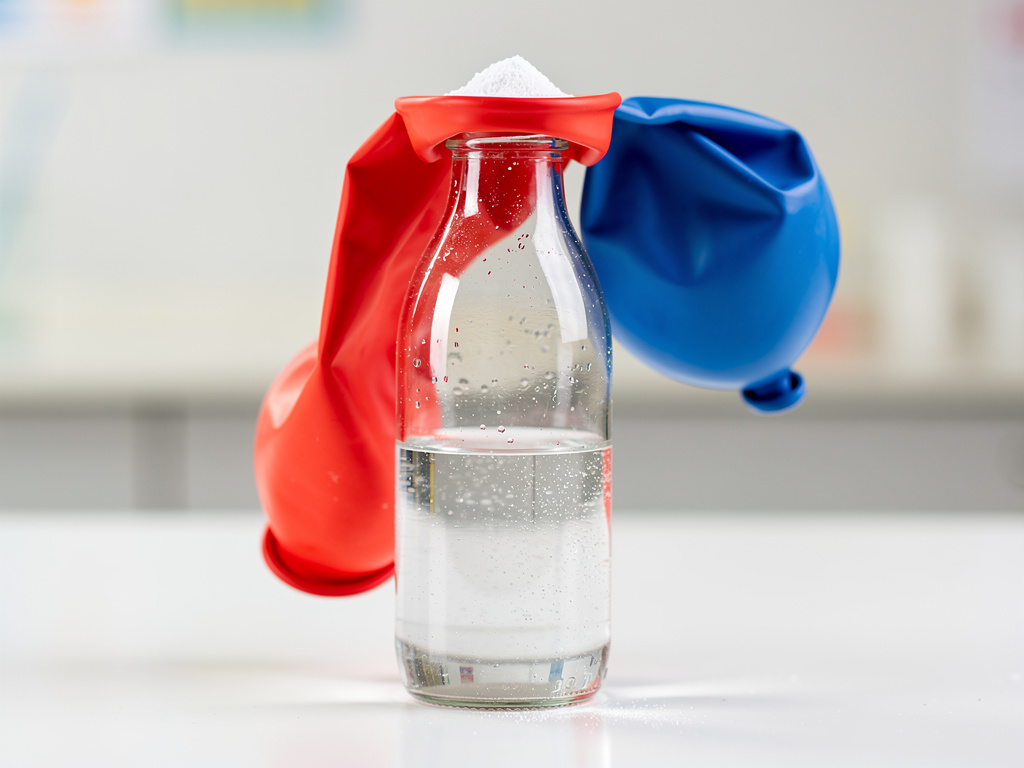
This project demonstrates a fun and safe chemical reaction between baking soda and vinegar that produces carbon dioxide gas. Students will inflate a balloon using the gas produced, illustrating basic chemical principles.

1 days·elementary
Balloon Blow-Up: The Power of Yeast and Sugar
chemistryeasy

Balloon Blow-Up: The Power of Yeast and Sugar

Students will observe the chemical reaction between yeast and sugar, which produces carbon dioxide gas that inflates a balloon. This project teaches about fermentation and gas production.

2 days·elementary
Biodegradable Plastics Science Project: Polymer Science
chemistryhard

Biodegradable Plastics Science Project: Polymer Science

This project focuses on creating biodegradable plastics using natural materials like starch and vinegar. Students will test the durability and decomposition rate, learning about sustainable alternatives to traditional plastics.

10 days·high

Like this project? Get more ideas!