Science Fair Projects
chemistryeasy elementary 1 days

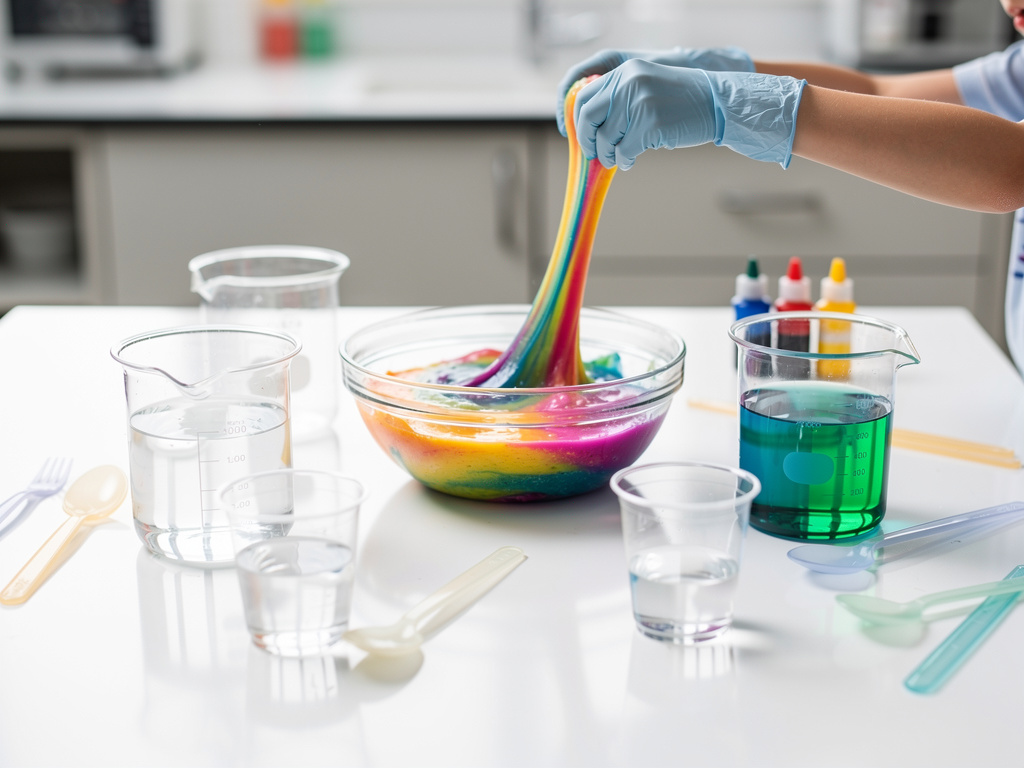
Making Slime - Polymer Science Experiment Science Fair Project

This project involves making slime using simple household ingredients. Students will learn about polymers and the science behind why slime behaves the way it does. It's a fun, hands-on way to explore chemistry!

Making Slime - Polymer Science Experiment Science Fair Project

Hypothesis

If we mix glue with borax solution, then we will create a slime substance due to the polymerization process.

Materials Needed

White school glue — 1 cupBuy
Borax powder — 1 teaspoonBuy
Water — 1 cupBuy
Food coloring — as desiredBuy
Mixing bowl — 1Buy
Spoon for mixing — 1Buy
Measuring cup — 1Buy
Container for storing slime — 1Buy
Plastic gloves — 1 pairBuy
Plastic sheet for cleanup — 1Buy

As an Amazon Associate, this site earns from qualifying purchases.

Step-by-Step Procedure

  1. 1

    In a mixing bowl, combine 1 cup of white school glue with 1 cup of water.

  2. 2

    Stir the mixture until fully combined.

  3. 3

    In a separate container, mix 1 teaspoon of borax powder with 1 cup of water, and stir until dissolved.

  4. 4

    Slowly add the borax solution to the glue mixture while stirring continuously.

  5. 5

    Observe the slime forming and continue to mix until desired consistency is achieved.

  6. 6

    Add food coloring to customize your slime, mixing until even.

  7. 7

    Knead the slime with your hands to improve texture.

  8. 8

    Store the slime in an airtight container.

  9. 9

    Discuss the polymer chemistry involved in slime formation.

  10. 10

    Present your slime experiment findings.

Expected Results

The combination of glue and borax will create a stretchy, moldable slime due to the formation of a polymer network. This demonstrates the properties of polymers and cross-linking.

Variables

Independent Variable

Concentration of borax solution

Dependent Variable

Texture and elasticity of the slime

Controlled Variables

Amount of glue, Amount of water, Temperature during mixing

Safety Notes

Wash hands after handling materials. Avoid ingesting any ingredients used in the experiment.

Presentation Tips

  • Bring your slime to demonstrate during the presentation.

  • Explain the science behind polymers in simple terms.

  • Engage the audience with slime-making demonstrations.

  • Discuss potential applications of polymers in everyday life.

  • Practice your presentation to ensure smooth delivery.

Frequently Asked Questions

What causes slime to form?

Slime forms when glue (polyvinyl acetate) reacts with borax, creating a cross-linked polymer.

Is slime safe to play with?

Yes, slime made from glue and borax is safe for play, but it's important to avoid ingestion.

Can I make slime without borax?

Yes, there are alternative recipes that use cornstarch or contact lens solution.

Related Projects

Acid Rain Alarm: The Impact of pH on Building Materials
chemistrymedium

Acid Rain Alarm: The Impact of pH on Building Materials

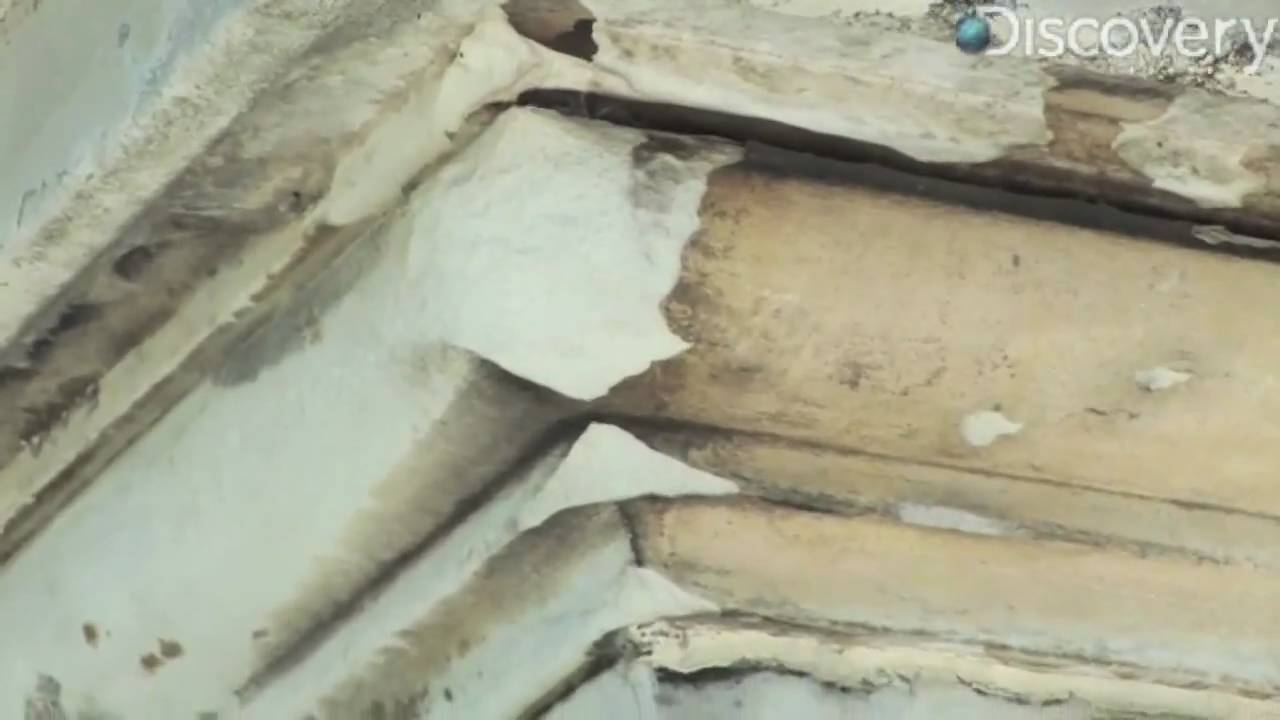
Students will simulate acid rain effects by applying solutions of varying pH levels to samples of common building materials. The project focuses on understanding how acid rain can damage infrastructure.

10 days·middle
Acid vs. Base: Which Is Stronger?
chemistrymedium

Acid vs. Base: Which Is Stronger?

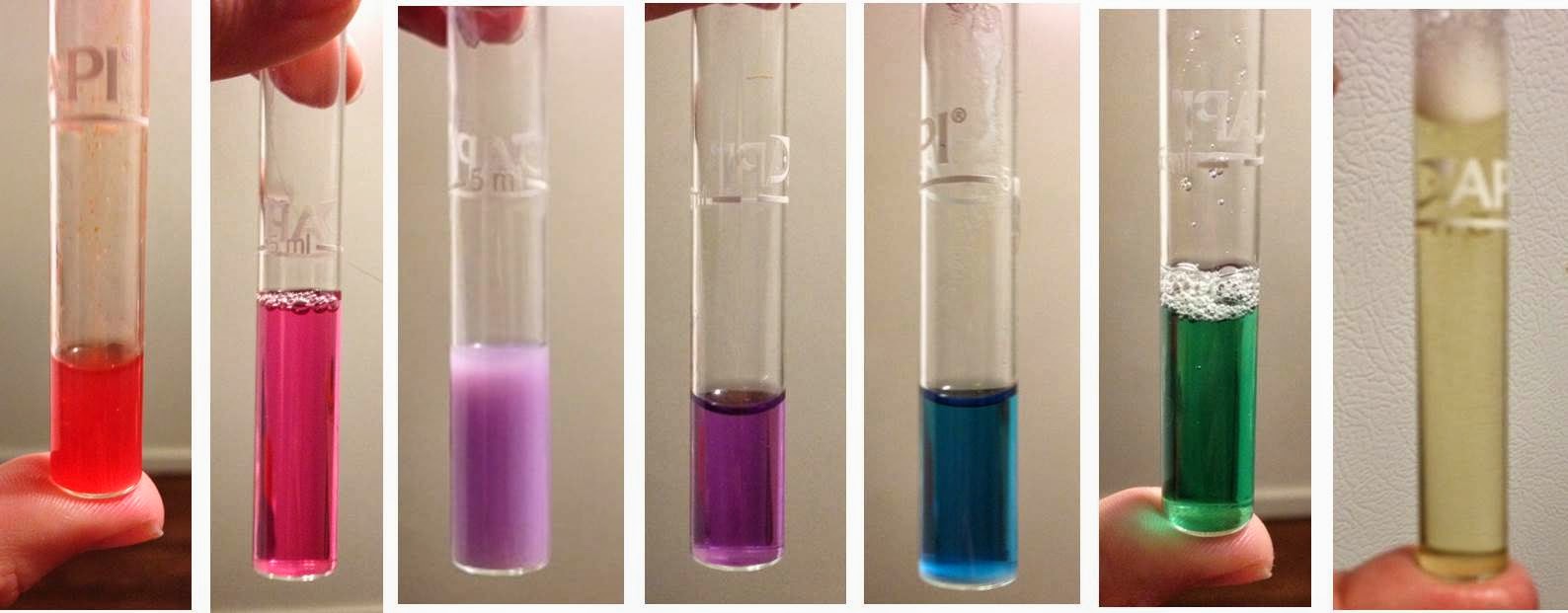
Students will investigate the comparative strength of different acids and bases by measuring their pH levels and observing their reactions with various indicators. This project will help elucidate the nature of acidic and basic solutions.

14 days·middle
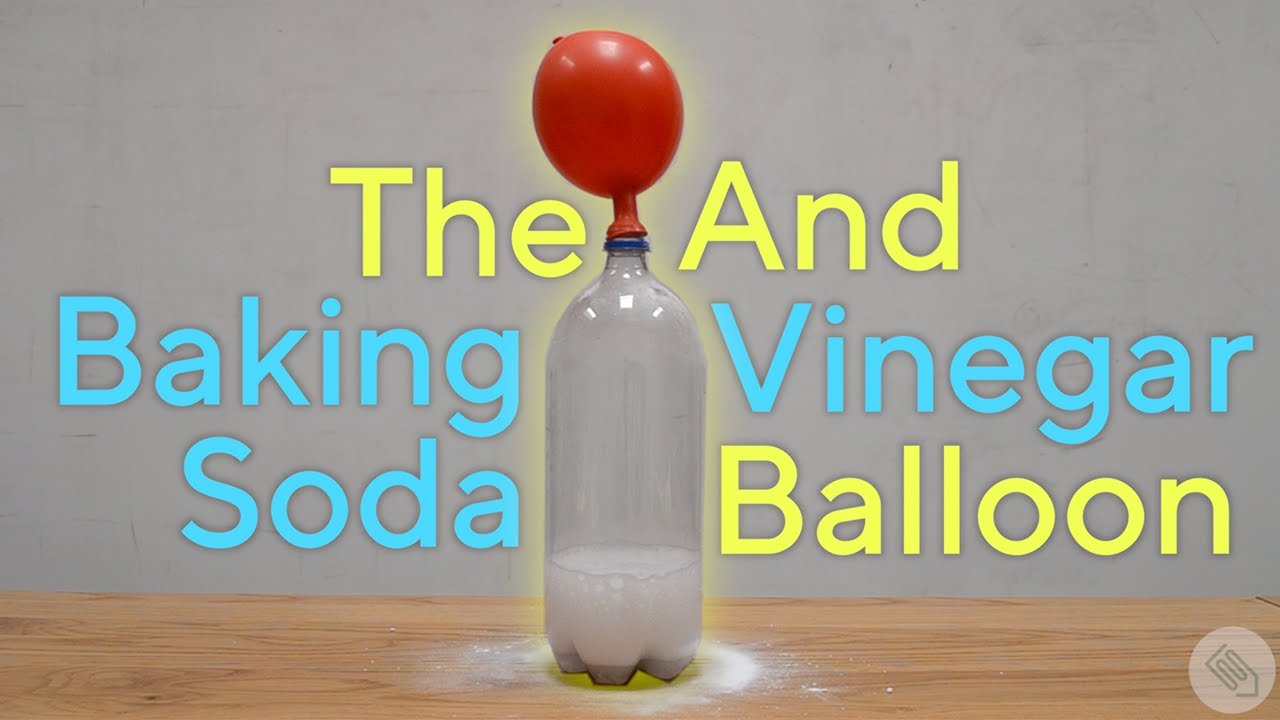
Baking Soda and Vinegar Balloon Inflation Experiment
chemistryeasy

Baking Soda and Vinegar Balloon Inflation Experiment

This exciting experiment demonstrates a chemical reaction between baking soda and vinegar that produces carbon dioxide gas, which inflates a balloon. It provides a hands-on approach to understanding reactions, gas expansion, and pressure in a controlled setting, making it ideal for middle school students interested in chemistry.

30 days·middle
Baking Soda and Vinegar Balloon Inflation Experiment Science Fair Project
chemistryeasy

Baking Soda and Vinegar Balloon Inflation Experiment Science Fair Project

This project demonstrates a fun and safe chemical reaction between baking soda and vinegar that produces carbon dioxide gas. Students will inflate a balloon using the gas produced, illustrating basic chemical principles.

1 days·elementary
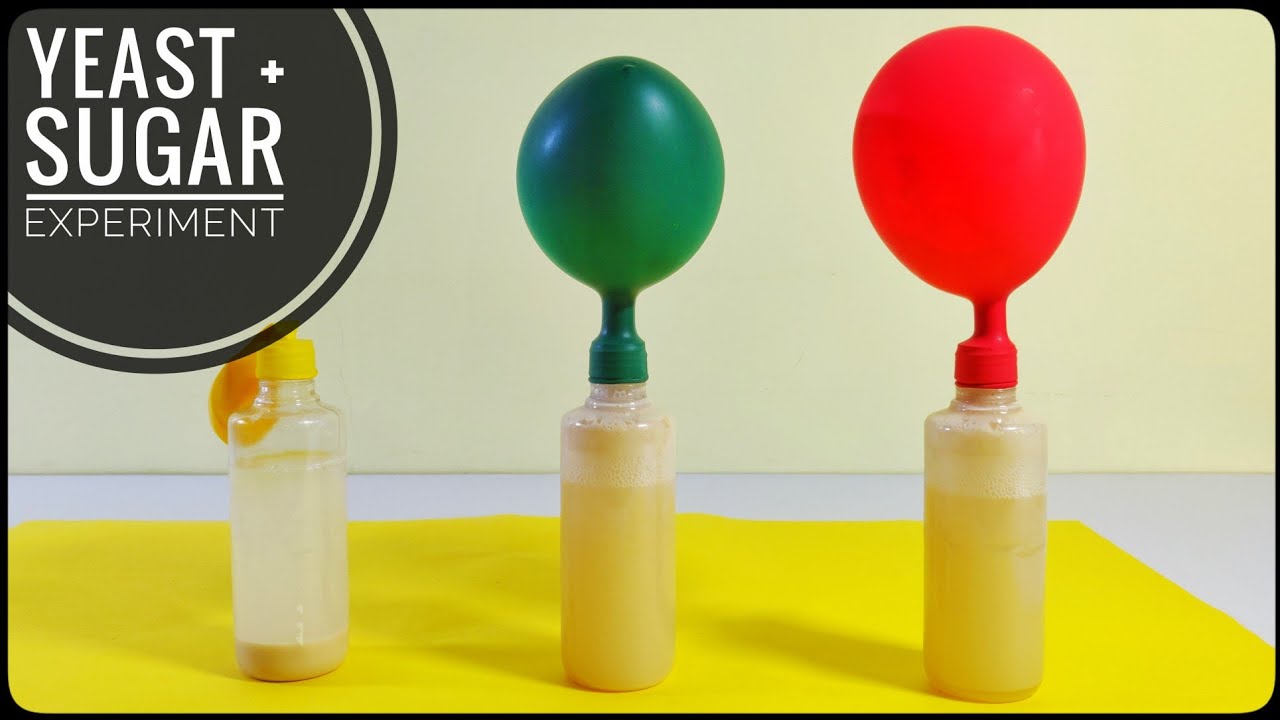
Balloon Blow-Up: The Power of Yeast and Sugar
chemistryeasy

Balloon Blow-Up: The Power of Yeast and Sugar

Students will observe the chemical reaction between yeast and sugar, which produces carbon dioxide gas that inflates a balloon. This project teaches about fermentation and gas production.

2 days·elementary
Biodegradable Plastics Science Project: Polymer Science
chemistryhard

Biodegradable Plastics Science Project: Polymer Science

This project focuses on creating biodegradable plastics using natural materials like starch and vinegar. Students will test the durability and decomposition rate, learning about sustainable alternatives to traditional plastics.

10 days·high

Like this project? Get more ideas!