Science Fair Projects
chemistrymedium middle 12 days

Fizz, Foam, and Fizzics: Exploring Chemical Reactions with Homemade Soda

In this project, students will create their own carbonated beverage using household ingredients and explore the chemistry behind carbonation and fizzing reactions. They'll test different ingredient combinations to see which produces the most fizz.

Fizz, Foam, and Fizzics: Exploring Chemical Reactions with Homemade Soda

Hypothesis

If the amount of citric acid is increased, then the homemade soda will produce more fizz due to a greater reaction with baking soda.

Materials Needed

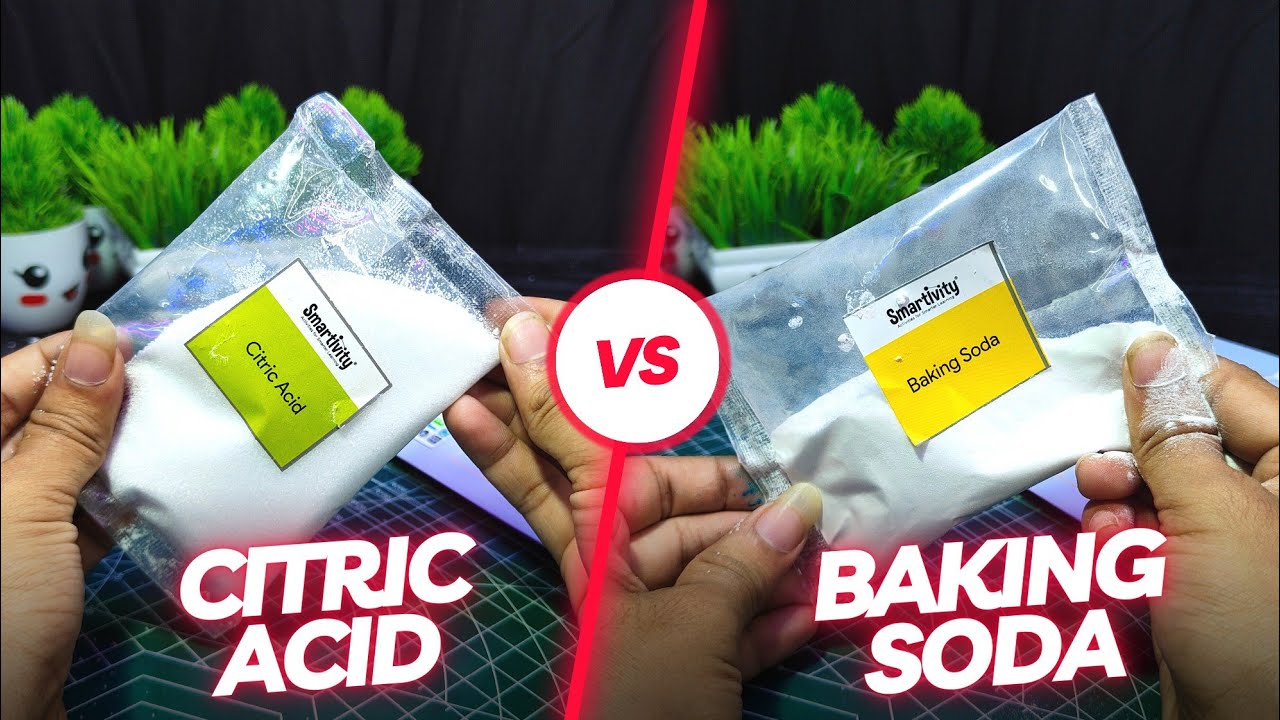
Baking soda100gBuy
Citric acid50gBuy
Water1LBuy
Sugar200gBuy
Food coloringoptionalBuy
Plastic bottles with caps3Buy
Measuring spoons1 setBuy
Funnel1Buy

As an Amazon Associate, this site earns from qualifying purchases.

Step-by-Step Procedure

  1. 1

    Measure 100g of baking soda and 50g of citric acid.

  2. 2

    Add 200g of sugar to 1 liter of water and stir until dissolved.

  3. 3

    Divide the solution into 3 plastic bottles using a funnel.

  4. 4

    Add different amounts of citric acid to each bottle.

  5. 5

    Add equal amounts of baking soda to each bottle.

  6. 6

    Quickly cap the bottles tightly and shake to mix ingredients.

  7. 7

    Observe the amount of fizz produced in each bottle.

  8. 8

    Record the results and compare the fizz levels.

  9. 9

    Clean up and dispose of the chemical mixtures properly.

Expected Results

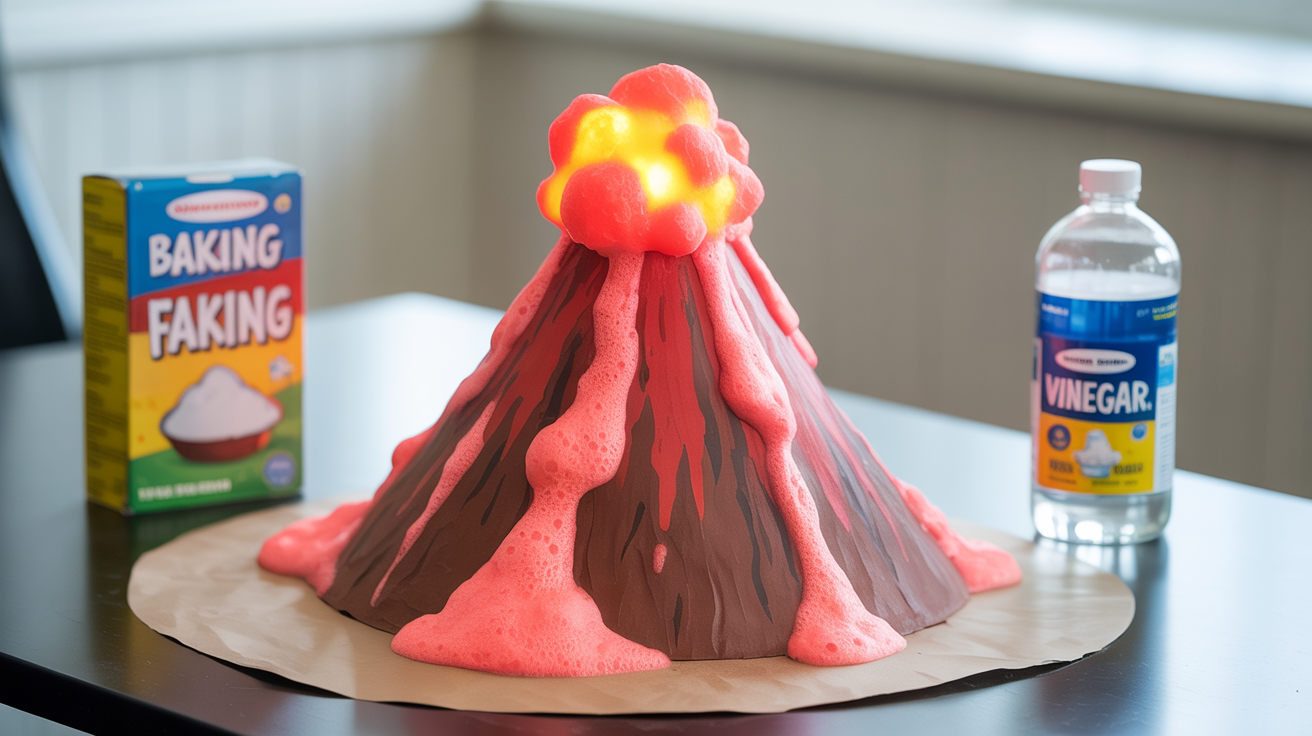
The bottle with the most citric acid is expected to produce the most fizz due to a stronger acid-base reaction with the baking soda.

Variables

Independent Variable

Amount of citric acid

Dependent Variable

Amount of fizz produced

Controlled Variables

Volume of water, Amount of sugar, Amount of baking soda

Safety Notes

Wear safety goggles and gloves to avoid skin or eye irritation from citric acid and baking soda.

Presentation Tips

  • Create a clear chart to show fizz levels for different recipes.

  • Explain the chemistry behind carbonation to the audience.

  • Include pictures of your experimental process.

Frequently Asked Questions

Like this project? Get more ideas!