Science Fair Projects
chemistryhard high 10 days

Electrophoresis: Separating Dyes by Charge

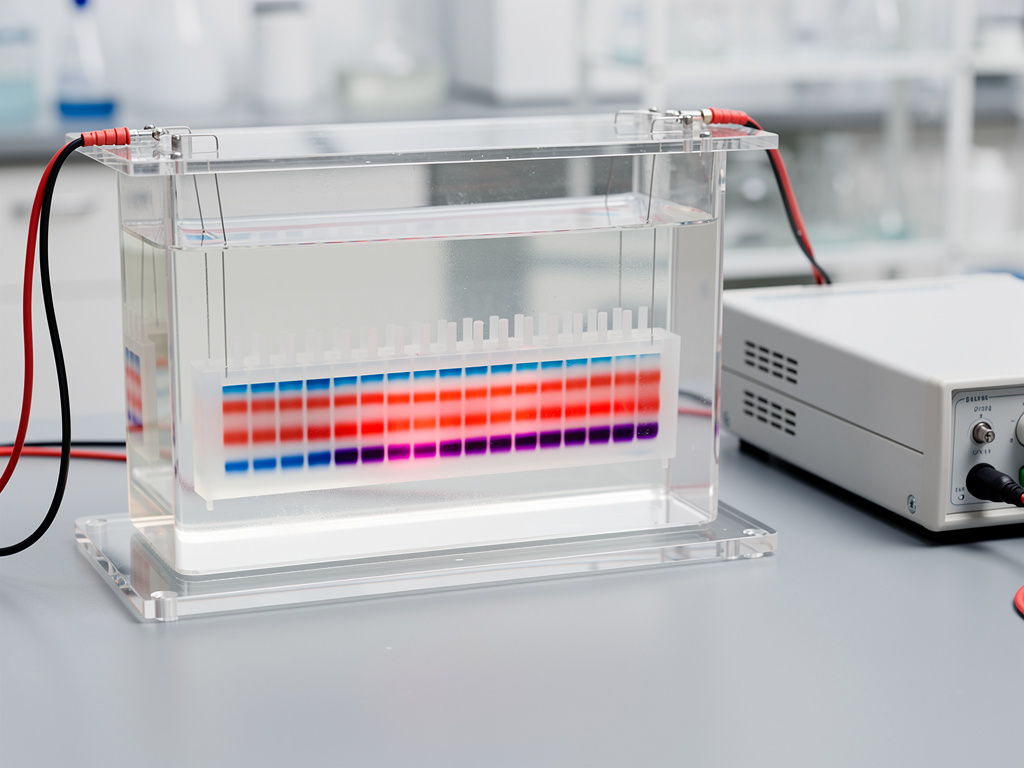
In this project, you will construct a basic electrophoresis apparatus to separate dyes based on their charge and molecular size. This experiment demonstrates the principles of electrophoresis, a technique used in laboratories for separating molecules.

Electrophoresis: Separating Dyes by Charge

Hypothesis

If dyes are separated using electrophoresis, then they will travel different distances based on their charge and size.

Materials Needed

Agarose powder — 1 packBuy
Electrophoresis buffer — 1 literBuy
Power supply — 1 unitBuy
Dye samples — 4 vialsBuy
Micropipette — 1Buy
Gel casting tray — 1Buy
Electrophoresis tank — 1Buy
Staining solution — 1 bottleBuy
UV light source — 1Buy
Safety goggles — 1 pairBuy

As an Amazon Associate, this site earns from qualifying purchases.

Step-by-Step Procedure

  1. 1

    Prepare the agarose gel by dissolving the agarose powder in the electrophoresis buffer and heating it.

  2. 2

    Pour the molten agarose into the gel casting tray and insert the comb to create wells.

  3. 3

    Once the gel solidifies, place it in the electrophoresis tank and cover it with buffer.

  4. 4

    Load dye samples into the wells using a micropipette.

  5. 5

    Connect the electrophoresis tank to the power supply and run the current for a designated time.

  6. 6

    Turn off the power and carefully remove the gel.

  7. 7

    Stain the gel using the staining solution to visualize the separated dyes.

  8. 8

    Observe and document the distances traveled by each dye under UV light.

  9. 9

    Analyze the results and compare the migration patterns of different dyes.

  10. 10

    Clean up the workspace and dispose of chemicals safely.

Expected Results

Dyes in the mixture will separate into distinct bands on the gel. The distance traveled by each dye will vary based on its charge and molecular size.

Variables

Independent Variable

Type of dye

Dependent Variable

Distance traveled by dye

Controlled Variables

Voltage applied, Concentration of agarose, Running time, Buffer composition

Safety Notes

Wear safety goggles and gloves when handling chemicals. Ensure proper ventilation when using staining solutions.

Presentation Tips

  • Create a detailed diagram of your electrophoresis setup.

  • Include photos of the gels before and after staining.

  • Explain the principle of electrophoresis in simple terms.

  • Discuss real-world applications of electrophoresis.

Frequently Asked Questions

Why do different dyes travel different distances?

Dyes travel different distances based on their charge and size, affecting how they move through the gel matrix.

What is the purpose of the buffer solution?

The buffer solution maintains a stable pH and conducts electricity during the electrophoresis process.

Can this method separate proteins?

Yes, electrophoresis can be used to separate proteins using specific gels and conditions.

Related Projects

Acid Rain Alarm: The Impact of pH on Building Materials
chemistrymedium

Acid Rain Alarm: The Impact of pH on Building Materials

Students will simulate acid rain effects by applying solutions of varying pH levels to samples of common building materials. The project focuses on understanding how acid rain can damage infrastructure.

10 days·middle
Acid vs. Base: Which Is Stronger?
chemistrymedium

Acid vs. Base: Which Is Stronger?

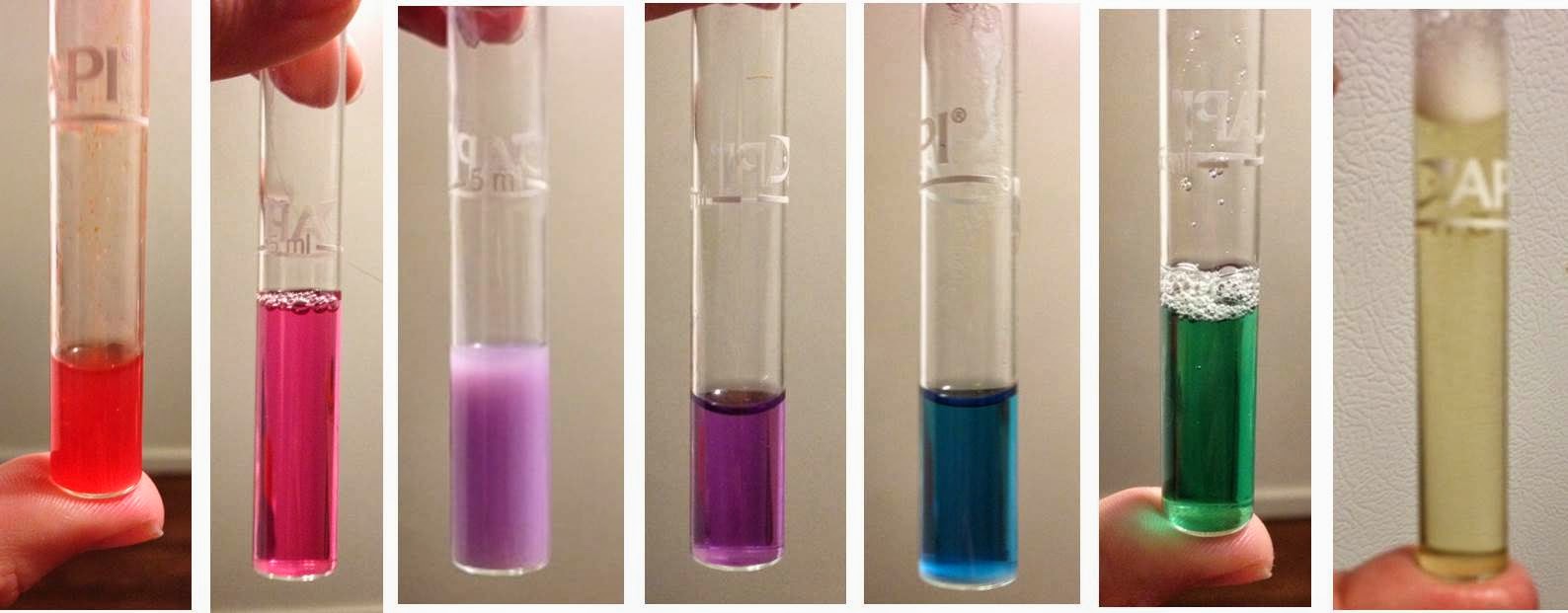
Students will investigate the comparative strength of different acids and bases by measuring their pH levels and observing their reactions with various indicators. This project will help elucidate the nature of acidic and basic solutions.

14 days·middle
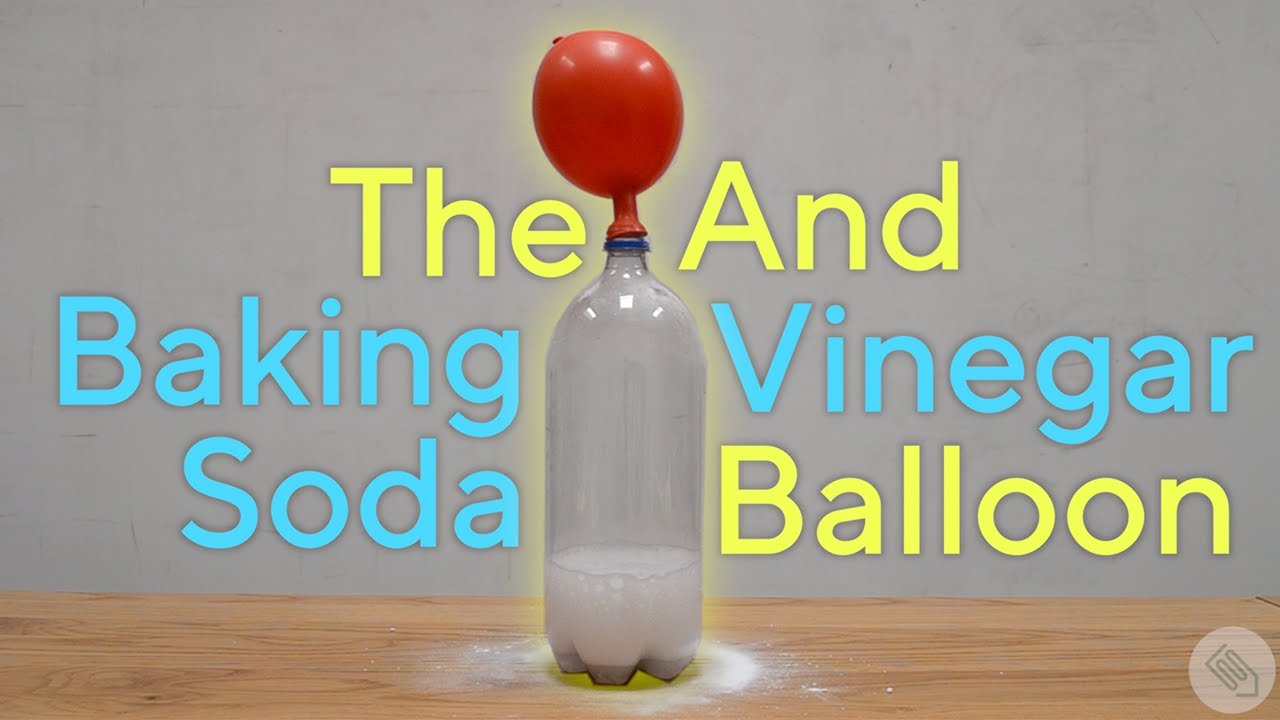
Baking Soda and Vinegar Balloon Inflation Experiment
chemistryeasy

Baking Soda and Vinegar Balloon Inflation Experiment

This exciting experiment demonstrates a chemical reaction between baking soda and vinegar that produces carbon dioxide gas, which inflates a balloon. It provides a hands-on approach to understanding reactions, gas expansion, and pressure in a controlled setting, making it ideal for middle school students interested in chemistry.

30 days·middle
Baking Soda and Vinegar Balloon Inflation Experiment Science Fair Project
chemistryeasy

Baking Soda and Vinegar Balloon Inflation Experiment Science Fair Project

This project demonstrates a fun and safe chemical reaction between baking soda and vinegar that produces carbon dioxide gas. Students will inflate a balloon using the gas produced, illustrating basic chemical principles.

1 days·elementary
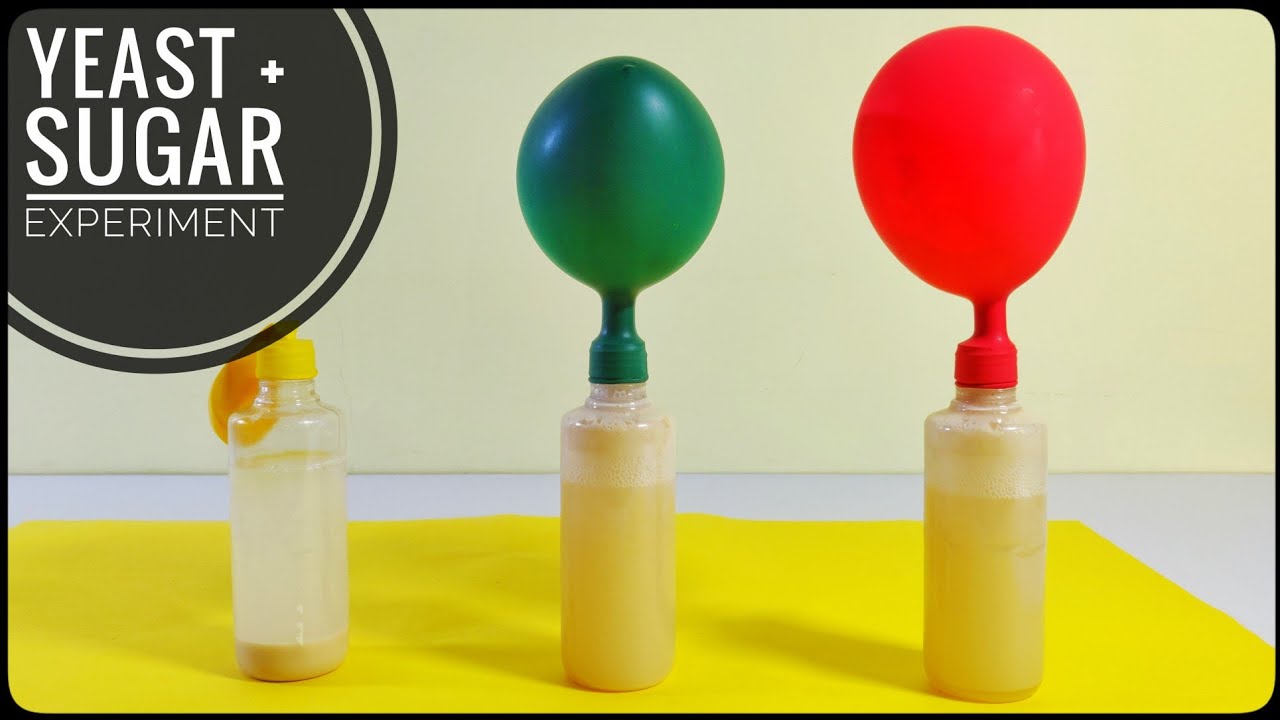
Balloon Blow-Up: The Power of Yeast and Sugar
chemistryeasy

Balloon Blow-Up: The Power of Yeast and Sugar

Students will observe the chemical reaction between yeast and sugar, which produces carbon dioxide gas that inflates a balloon. This project teaches about fermentation and gas production.

2 days·elementary
Biodegradable Plastics Science Project: Polymer Science
chemistryhard

Biodegradable Plastics Science Project: Polymer Science

This project focuses on creating biodegradable plastics using natural materials like starch and vinegar. Students will test the durability and decomposition rate, learning about sustainable alternatives to traditional plastics.

10 days·high

Like this project? Get more ideas!