Science Fair Projects
chemistrymedium middle 10 days

Comparing Water Hardness in Different Sources - Science Project

This project compares the hardness of water from various sources like tap water and bottled mineral water. By testing for calcium and magnesium levels, learn how water hardness affects everyday activities.

Comparing Water Hardness in Different Sources - Science Project

Hypothesis

Water from different sources will have varying hardness levels, affecting soap effectiveness and scale formation.

Materials Needed

Water samples (tap, bottled, well) — 3Buy
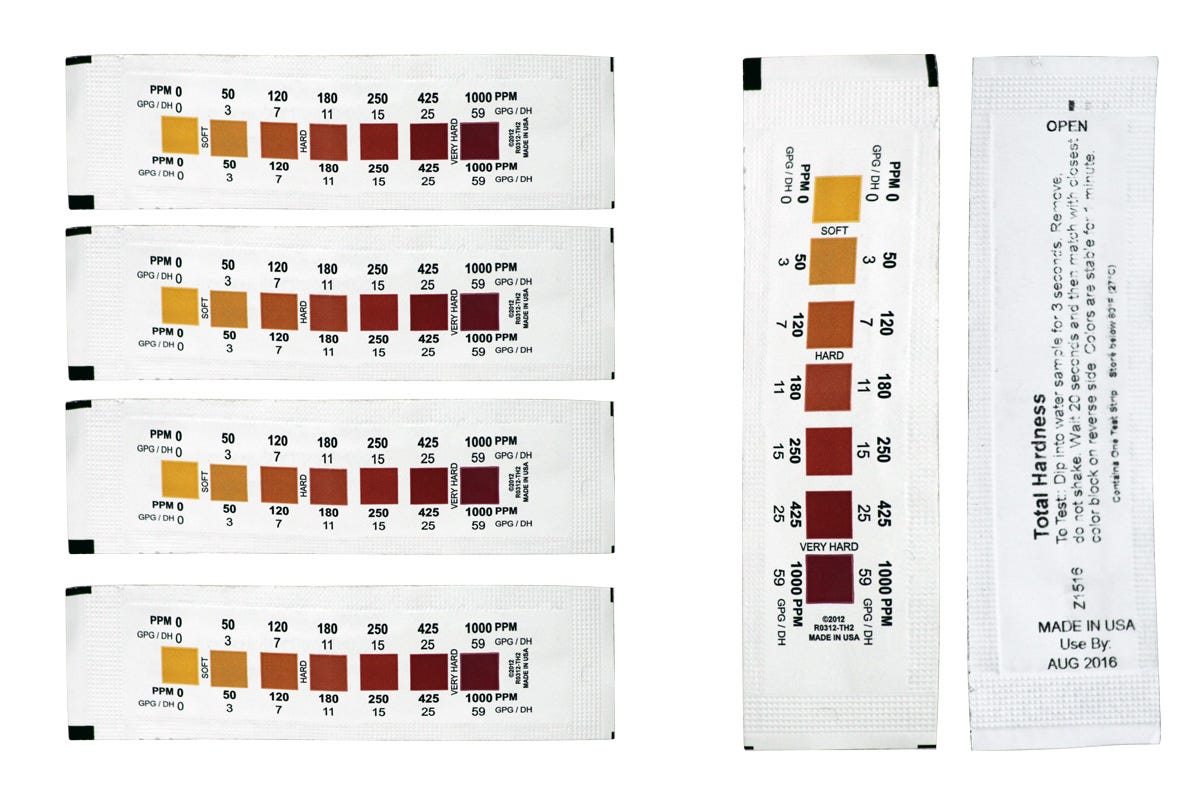
Water hardness test kit — 1Buy
Measuring cups — 3Buy
Notepad — 1Buy
Timer — 1Buy
pH strips — 1 boxBuy
Stirring rod — 1Buy
Plastic bottles — 3Buy

As an Amazon Associate, this site earns from qualifying purchases.

Step-by-Step Procedure

  1. 1

    Collect water samples from different sources.

  2. 2

    Label each bottle with the water source.

  3. 3

    Follow the instructions on the hardness test kit to measure hardness levels.

  4. 4

    Record the hardness levels for each sample.

  5. 5

    Test the pH of each water sample using pH strips.

  6. 6

    Compare the results and analyze any patterns.

  7. 7

    Research the impact of water hardness on daily life and appliances.

  8. 8

    Prepare a report based on findings.

Expected Results

It is expected that the hardness levels will vary across sources, influencing soap lathering and leading to scale buildup in appliances. Data will reveal these differences.

Variables

Independent Variable

Source of water

Dependent Variable

Hardness level of water

Controlled Variables

Volume of water tested, Testing method, Environmental conditions

Safety Notes

Ensure all water samples are collected safely and avoid ingesting test chemicals.

Presentation Tips

  • Create graphs to visually represent your data.

  • Include images of different water sources.

  • Explain the implications of water hardness clearly.

  • Use a clean presentation format with clear headings.

  • Engage your audience by asking questions about their water sources.

Frequently Asked Questions

What does water hardness mean?

Water hardness refers to the concentration of calcium and magnesium in water.

How does hard water affect cleaning?

Hard water can reduce soap effectiveness, leading to soap scum and less lather.

Is hard water safe to drink?

Yes, hard water is safe to drink, but it can affect taste and may cause scale buildup in pipes.

Related Projects

Acid Rain Alarm: The Impact of pH on Building Materials
chemistrymedium

Acid Rain Alarm: The Impact of pH on Building Materials

Students will simulate acid rain effects by applying solutions of varying pH levels to samples of common building materials. The project focuses on understanding how acid rain can damage infrastructure.

10 days·middle
Acid vs. Base: Which Is Stronger?
chemistrymedium

Acid vs. Base: Which Is Stronger?

Students will investigate the comparative strength of different acids and bases by measuring their pH levels and observing their reactions with various indicators. This project will help elucidate the nature of acidic and basic solutions.

14 days·middle
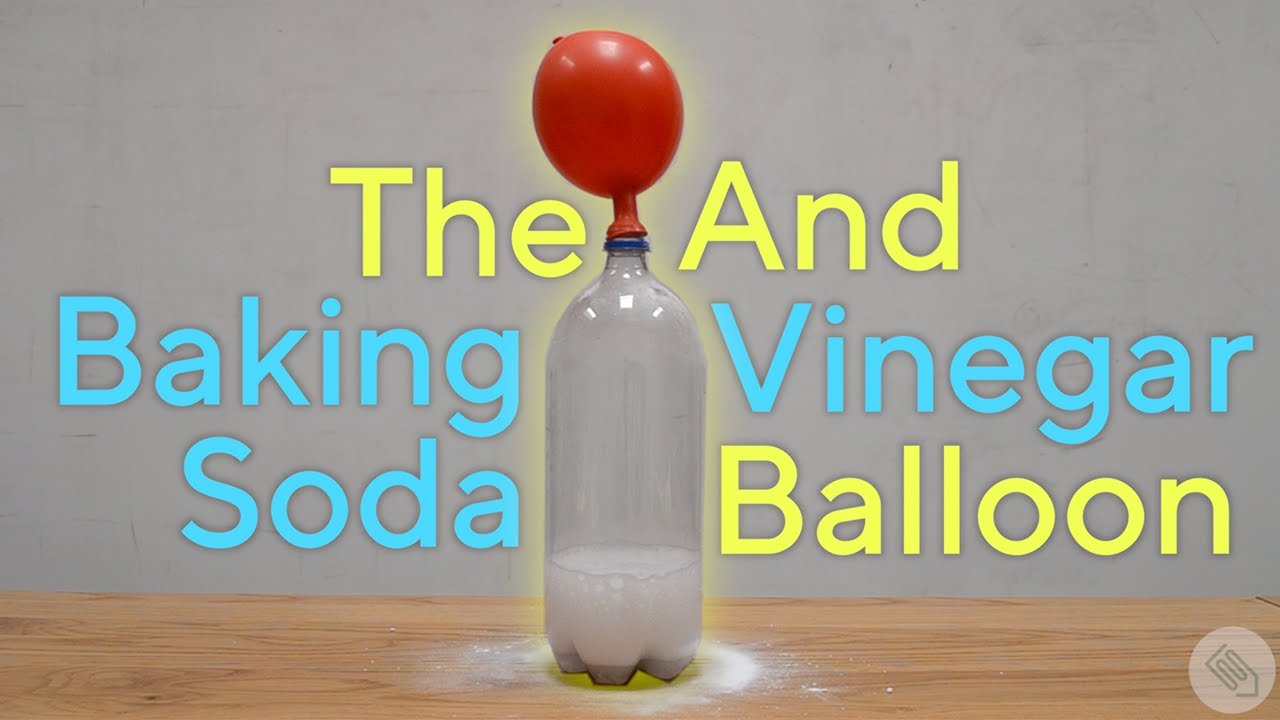
Baking Soda and Vinegar Balloon Inflation Experiment
chemistryeasy

Baking Soda and Vinegar Balloon Inflation Experiment

This exciting experiment demonstrates a chemical reaction between baking soda and vinegar that produces carbon dioxide gas, which inflates a balloon. It provides a hands-on approach to understanding reactions, gas expansion, and pressure in a controlled setting, making it ideal for middle school students interested in chemistry.

30 days·middle
Baking Soda and Vinegar Balloon Inflation Experiment Science Fair Project
chemistryeasy

Baking Soda and Vinegar Balloon Inflation Experiment Science Fair Project

This project demonstrates a fun and safe chemical reaction between baking soda and vinegar that produces carbon dioxide gas. Students will inflate a balloon using the gas produced, illustrating basic chemical principles.

1 days·elementary
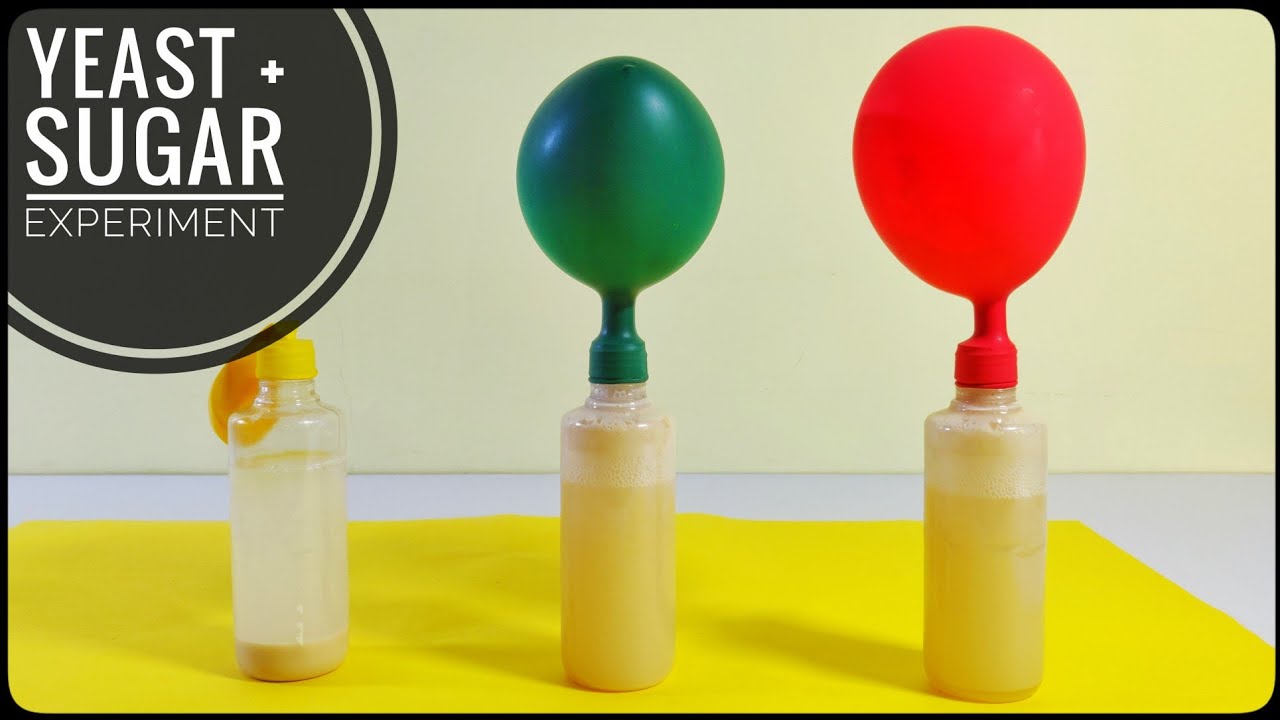
Balloon Blow-Up: The Power of Yeast and Sugar
chemistryeasy

Balloon Blow-Up: The Power of Yeast and Sugar

Students will observe the chemical reaction between yeast and sugar, which produces carbon dioxide gas that inflates a balloon. This project teaches about fermentation and gas production.

2 days·elementary
Biodegradable Plastics Science Project: Polymer Science
chemistryhard

Biodegradable Plastics Science Project: Polymer Science

This project focuses on creating biodegradable plastics using natural materials like starch and vinegar. Students will test the durability and decomposition rate, learning about sustainable alternatives to traditional plastics.

10 days·high

Like this project? Get more ideas!