Science Fair Projects
chemistryhard high 20 days

Comparative Analysis of Electrolytes in Sports Drinks Using Conductivity

This project examines the electrolyte content of various sports drinks by measuring their electrical conductivity. Students will learn to correlate conductivity data with electrolyte concentration and interpret the results to determine which drink provides the most effective rehydration.

Comparative Analysis of Electrolytes in Sports Drinks Using Conductivity

Hypothesis

If a sports drink has higher conductivity, then it contains a greater concentration of electrolytes compared to drinks with lower conductivity.

Materials Needed

Conductivity meter1Buy
Various sports drinks5 bottlesBuy
Distilled water1 literBuy
Beakers5Buy
Stirring rods5Buy
Thermometer1Buy
Graph paper5 sheetsBuy
Safety goggles1Buy

As an Amazon Associate, this site earns from qualifying purchases.

Step-by-Step Procedure

  1. 1

    Pour 100 ml of each sports drink into separate beakers.

  2. 2

    Calibrate the conductivity meter using distilled water.

  3. 3

    Measure the conductivity of each sports drink and record the data.

  4. 4

    Stir each solution gently before taking measurements.

  5. 5

    Repeat the measurements three times for accuracy.

  6. 6

    Plot the conductivity values on graph paper.

  7. 7

    Compare and analyze the electrolyte content based on conductivity.

  8. 8

    Discuss the correlation between conductivity and electrolyte concentration.

  9. 9

    Consider the impact of temperature on conductivity measurements.

  10. 10

    Conclude which drink offers the best rehydration effectiveness.

Expected Results

Sports drinks with higher conductivity are expected to have higher concentrations of electrolytes, indicating better potential for rehydration. The results should allow for clear comparisons between different brands.

Variables

Independent Variable

Type of sports drink

Dependent Variable

Conductivity measurement

Controlled Variables

Volume of sports drink, Calibration method, Measurement procedure, Temperature

Safety Notes

Wear safety goggles to prevent spills from getting into your eyes, and handle all equipment according to the instructions to avoid electrical hazards.

Presentation Tips

  • Include charts comparing electrolyte concentrations visually.

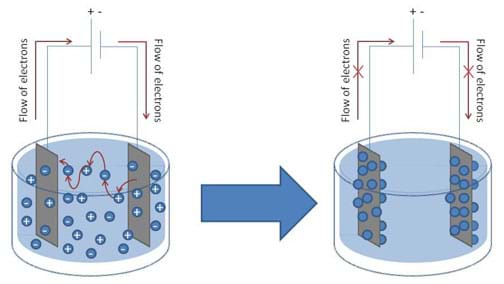
  • Explain the principle of conductivity and its relation to electrolytes.

  • Discuss the practical applications of your findings in sports and health.

  • Offer samples of drinks for the audience to taste if allowed.

Frequently Asked Questions

Like this project? Get more ideas!