Science Fair Projects
chemistryhard high 14 days

Catalyst Conundrum: Unleashing the Power of Enzymatic Reactions

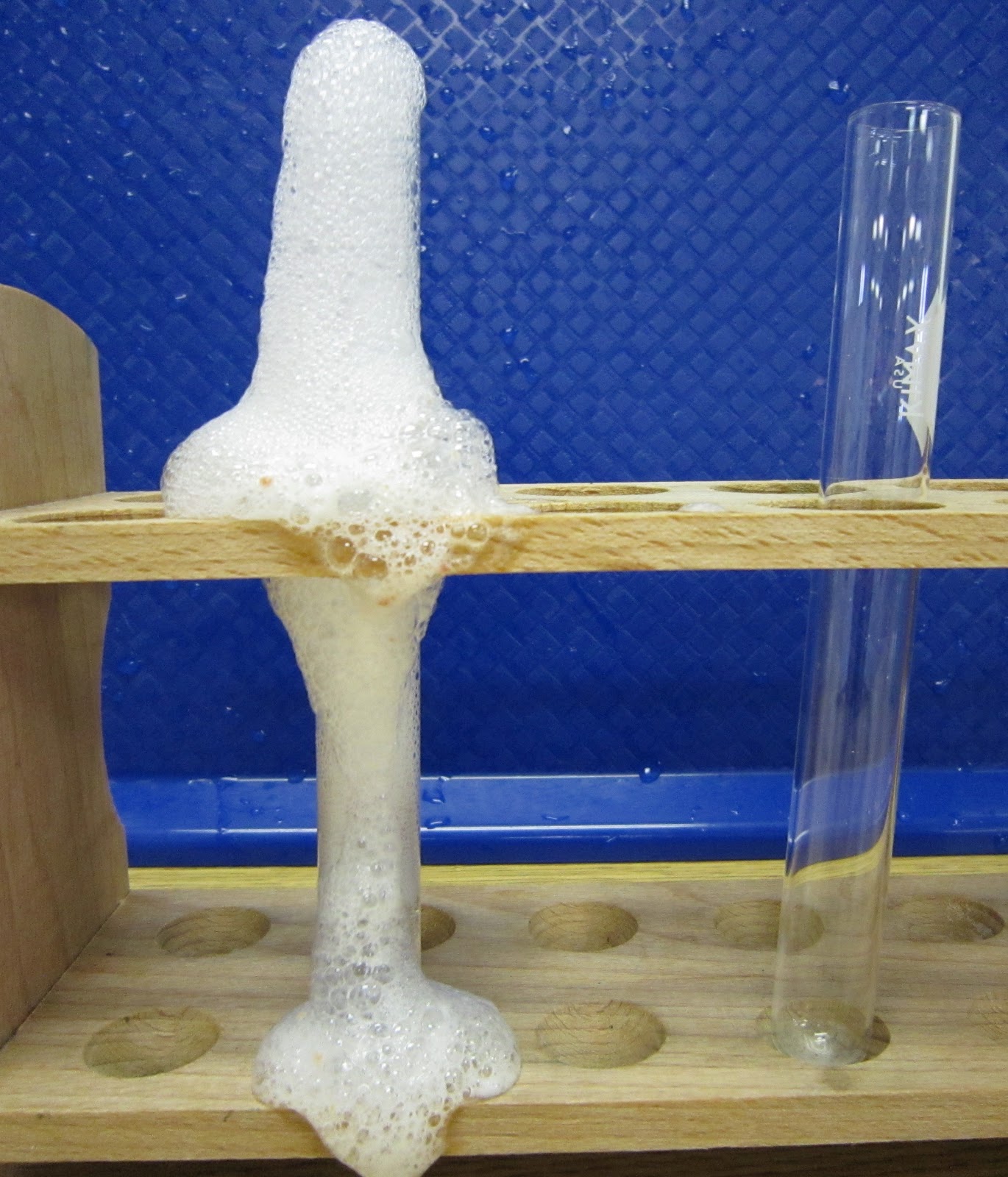
This project investigates the impact of different catalysts on the rate of enzymatic reactions under various environmental conditions. The experiment will analyze how temperature, pH, and concentration influence the catalytic efficiency of enzymes.

Catalyst Conundrum: Unleashing the Power of Enzymatic Reactions

Hypothesis

If different catalysts are used in enzymatic reactions, then the reaction rate will vary depending on the catalyst type and environmental conditions.

Materials Needed

Hydrogen peroxide solution — 100 mlBuy
Yeast — 10 gBuy
Potato extract — 50 mlBuy
pH meter — 1Buy
Test tubes — 10Buy
Thermometer — 1Buy
Graduated cylinder — 1Buy
Stopwatch — 1Buy

As an Amazon Associate, this site earns from qualifying purchases.

Step-by-Step Procedure

  1. 1

    Prepare control and experimental setups with test tubes.

  2. 2

    Add equal amounts of hydrogen peroxide solution to each test tube.

  3. 3

    Introduce yeast to the first set of test tubes as a catalyst.

  4. 4

    Introduce potato extract to the second set of test tubes as a catalyst.

  5. 5

    Vary the temperatures for each test tube and measure with a thermometer.

  6. 6

    Adjust pH levels using a pH meter and solutions for each setup.

  7. 7

    Start the reaction by adding catalysts to hydrogen peroxide.

  8. 8

    Use a stopwatch to measure the time taken for oxygen bubbles to form.

  9. 9

    Record the reaction time at different temperatures and pH levels.

  10. 10

    Repeat steps for accuracy and calculate average reaction rates.

  11. 11

    Analyze data to determine catalyst efficiency under varied conditions.

Expected Results

The expected results will show variation in reaction rates based on the type of catalyst used, with environmental conditions such as temperature and pH significantly influencing the outcomes.

Variables

Independent Variable

Type of catalyst

Dependent Variable

Reaction rate

Controlled Variables

Temperature, pH level, Concentration of reactants

Safety Notes

Handle all chemicals with care and wear safety goggles. Ensure proper ventilation during experiments.

Presentation Tips

  • Use visual aids like graphs to display reaction rates.

  • Demonstrate the setup live if possible for audience engagement.

  • Explain the role of enzymes and catalysts clearly in the context of everyday life.

Frequently Asked Questions

What is a catalyst in an enzymatic reaction?

A catalyst is a substance that increases the rate of a reaction without being consumed in the process.

Why are temperature and pH levels important?

Temperature and pH levels can significantly affect enzyme activity and reaction rates.

Can other catalysts be used for similar reactions?

Yes, other catalysts like metals and specific chemical compounds can also influence reaction rates.

Related Projects

Acid Rain Alarm: The Impact of pH on Building Materials
chemistrymedium

Acid Rain Alarm: The Impact of pH on Building Materials

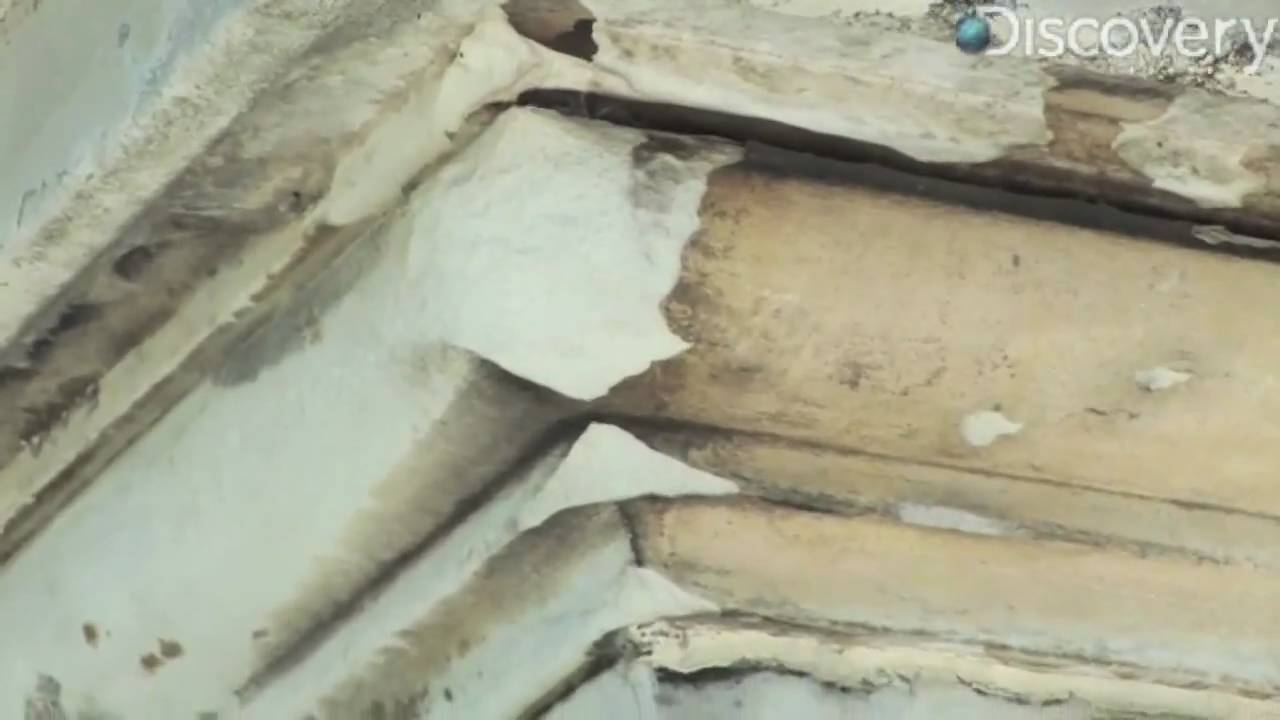
Students will simulate acid rain effects by applying solutions of varying pH levels to samples of common building materials. The project focuses on understanding how acid rain can damage infrastructure.

10 days·middle
Acid vs. Base: Which Is Stronger?
chemistrymedium

Acid vs. Base: Which Is Stronger?

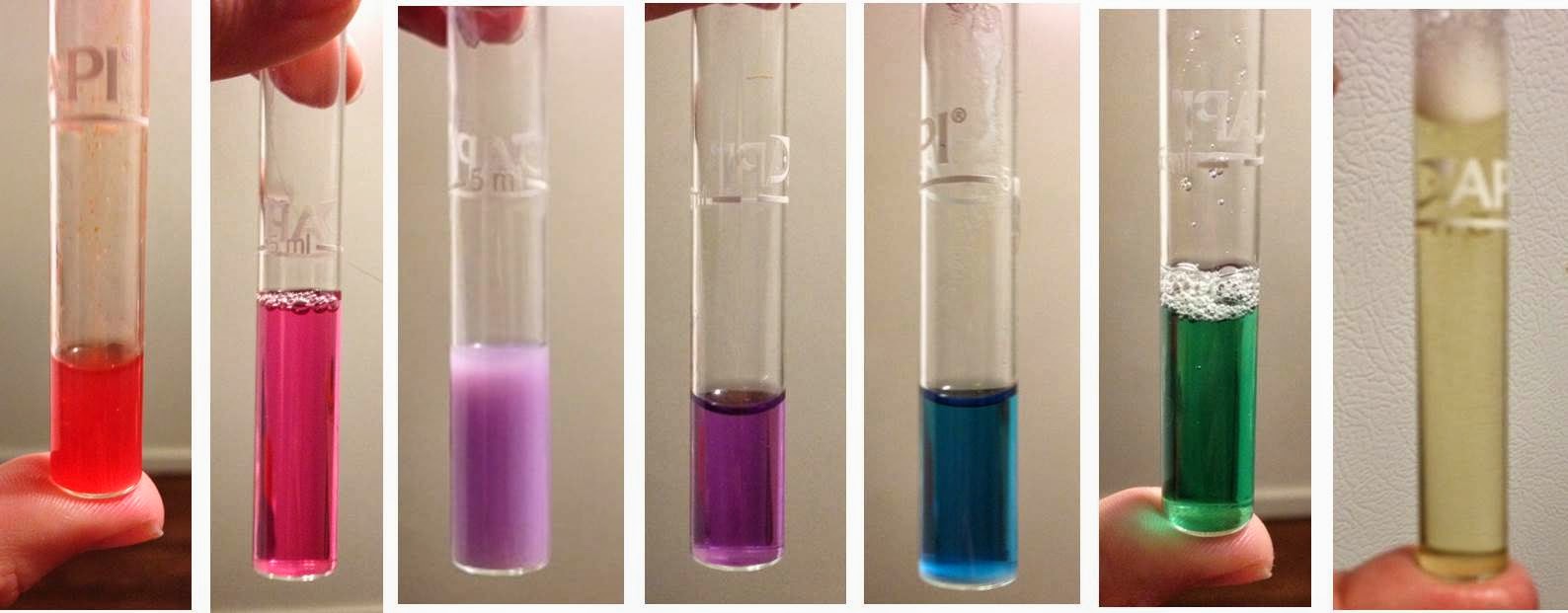
Students will investigate the comparative strength of different acids and bases by measuring their pH levels and observing their reactions with various indicators. This project will help elucidate the nature of acidic and basic solutions.

14 days·middle
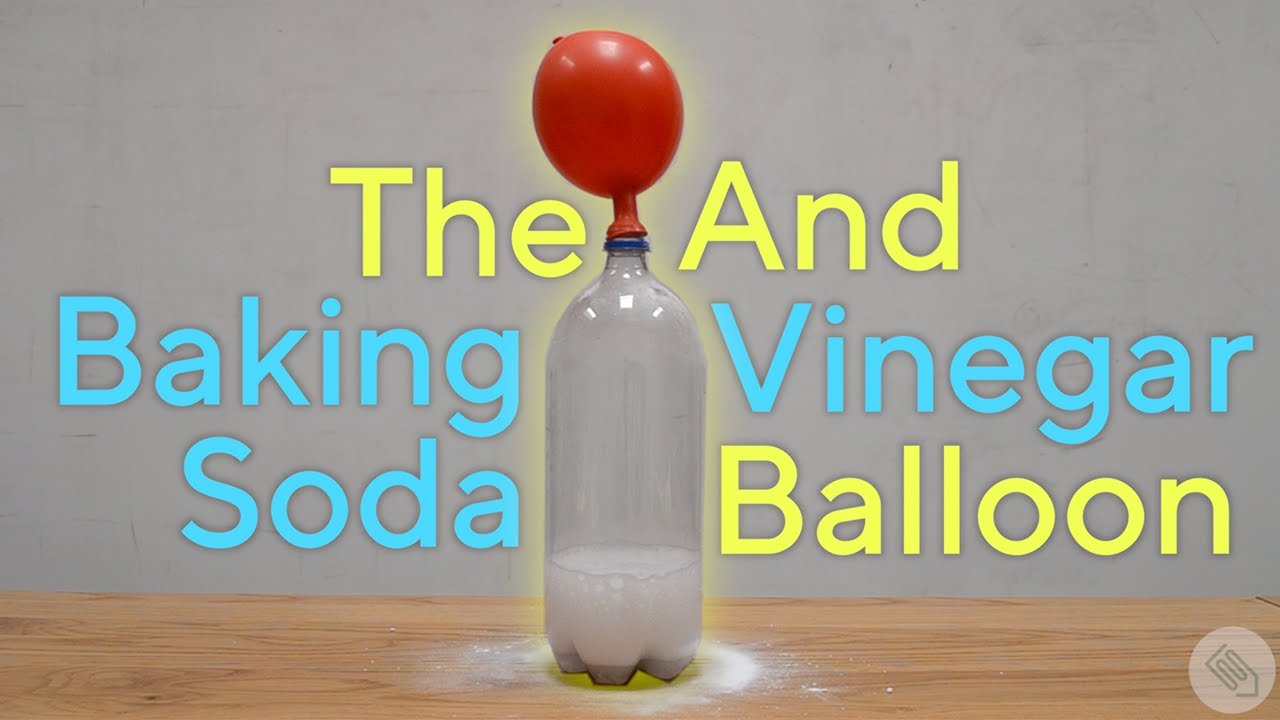
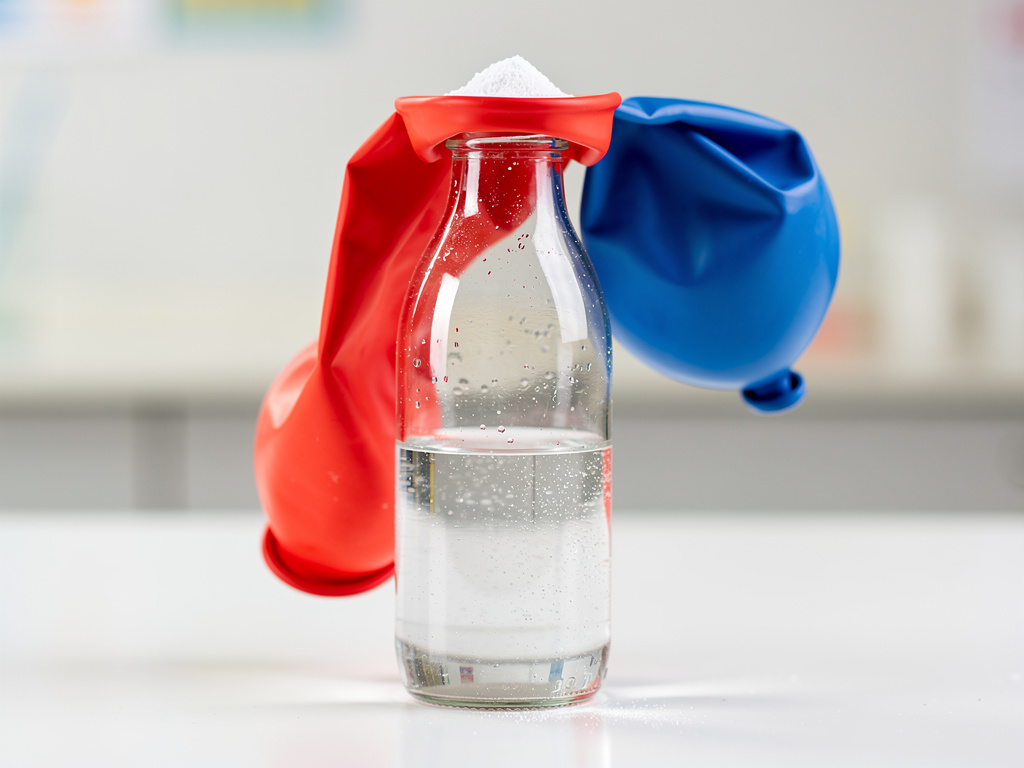
Baking Soda and Vinegar Balloon Inflation Experiment
chemistryeasy

Baking Soda and Vinegar Balloon Inflation Experiment

This exciting experiment demonstrates a chemical reaction between baking soda and vinegar that produces carbon dioxide gas, which inflates a balloon. It provides a hands-on approach to understanding reactions, gas expansion, and pressure in a controlled setting, making it ideal for middle school students interested in chemistry.

30 days·middle
Baking Soda and Vinegar Balloon Inflation Experiment Science Fair Project
chemistryeasy

Baking Soda and Vinegar Balloon Inflation Experiment Science Fair Project

This project demonstrates a fun and safe chemical reaction between baking soda and vinegar that produces carbon dioxide gas. Students will inflate a balloon using the gas produced, illustrating basic chemical principles.

1 days·elementary
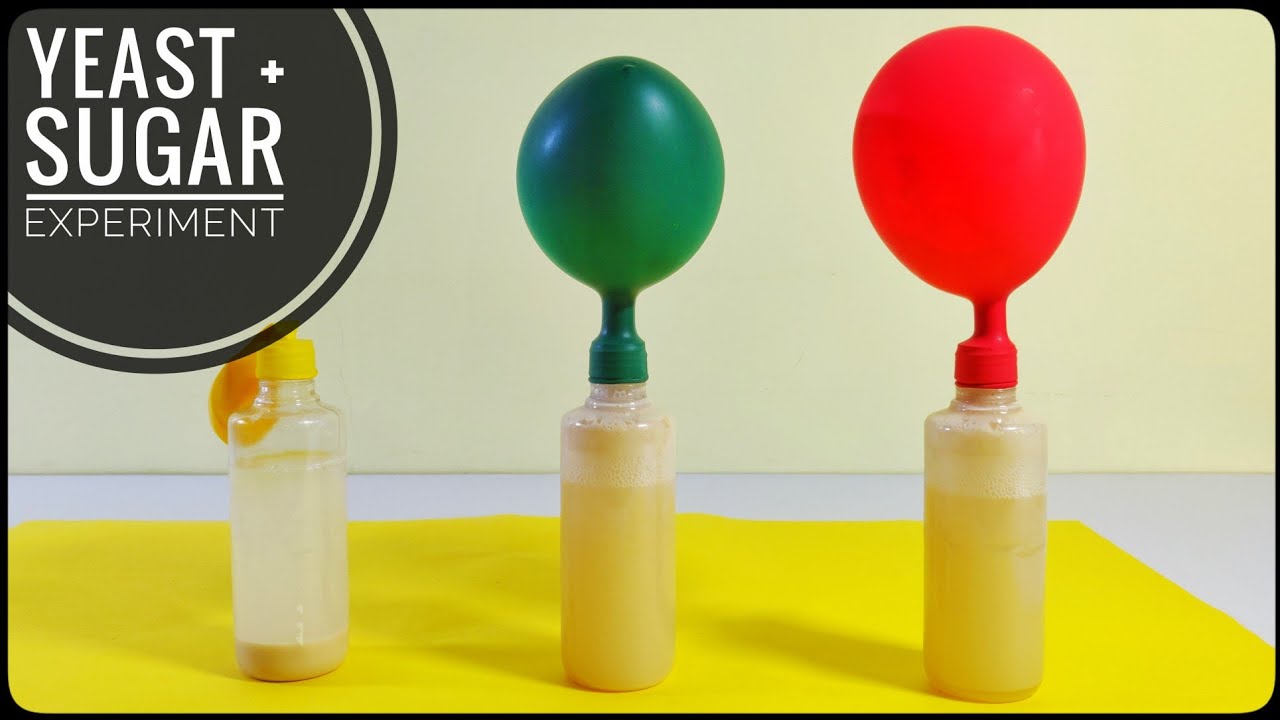
Balloon Blow-Up: The Power of Yeast and Sugar
chemistryeasy

Balloon Blow-Up: The Power of Yeast and Sugar

Students will observe the chemical reaction between yeast and sugar, which produces carbon dioxide gas that inflates a balloon. This project teaches about fermentation and gas production.

2 days·elementary
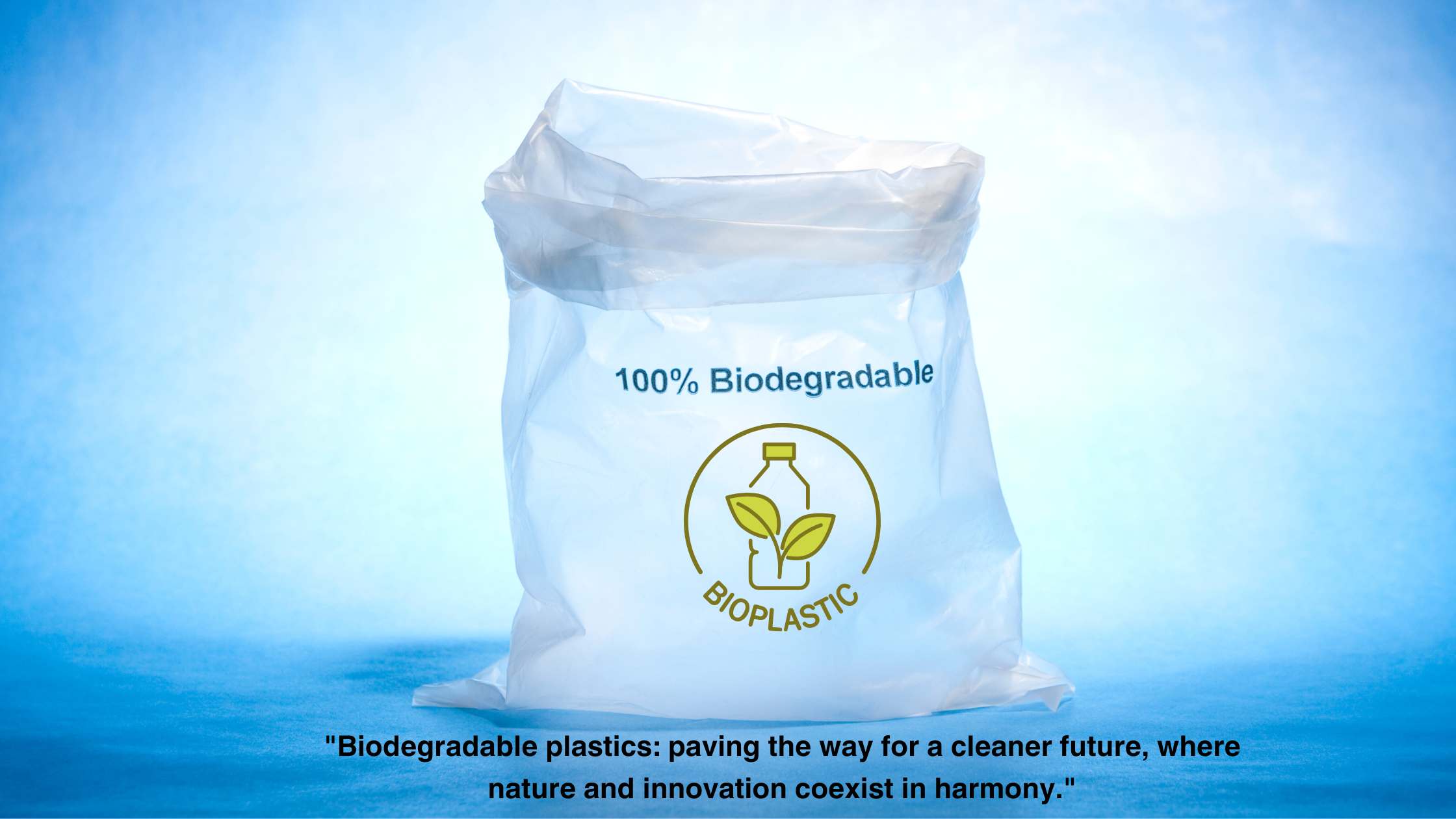
Biodegradable Plastics Science Project: Polymer Science
chemistryhard

Biodegradable Plastics Science Project: Polymer Science

This project focuses on creating biodegradable plastics using natural materials like starch and vinegar. Students will test the durability and decomposition rate, learning about sustainable alternatives to traditional plastics.

10 days·high

Like this project? Get more ideas!