Science Fair Projects
chemistryeasy middle 2 days

Cabbage Chemistry: Exploring pH with Natural Indicators

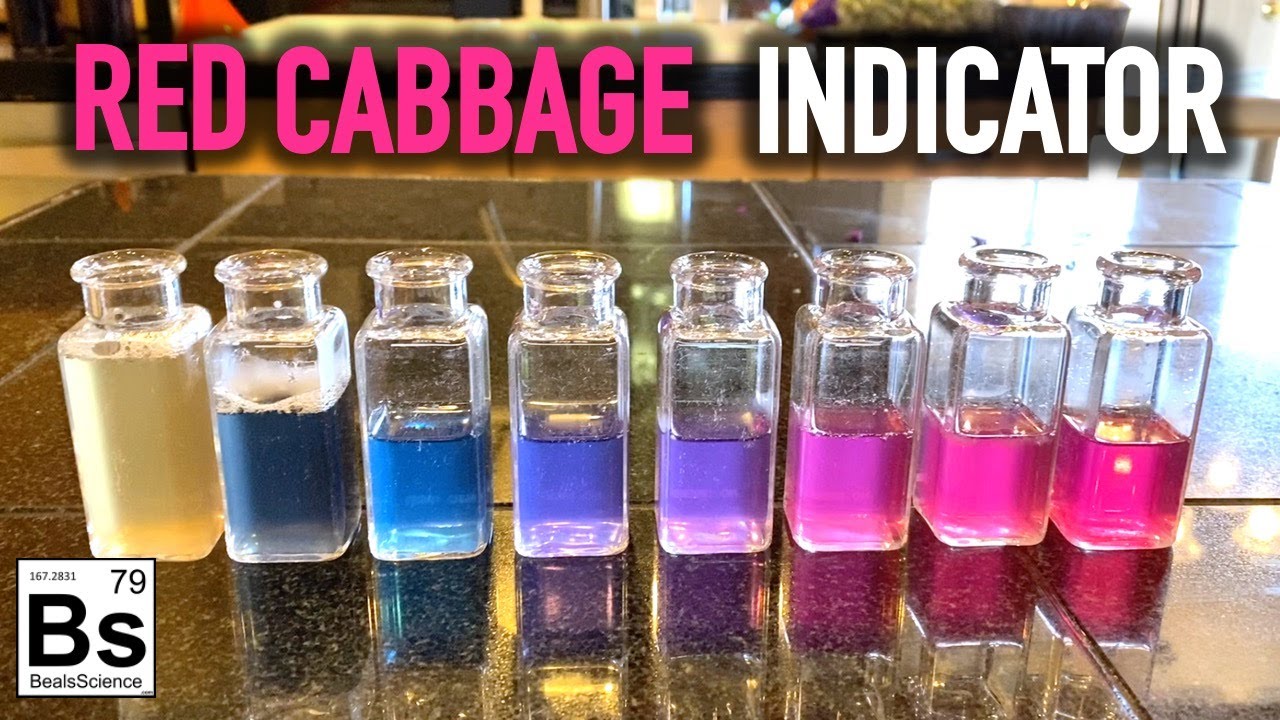
Create a natural pH indicator using red cabbage juice. Test household substances to identify their pH levels as acidic, neutral, or basic.

Cabbage Chemistry: Exploring pH with Natural Indicators

Hypothesis

If a substance changes the color of cabbage juice, then it can be identified as acidic or basic based on the resulting color.

Materials Needed

Red cabbage — 1Buy
Knife — 1Buy
Boiling water — 1 literBuy
Strainer — 1Buy
Clear cups — 5Buy
Vinegar — 100 mlBuy
Baking soda — 50 gramsBuy
Lemon juice — 100 mlBuy
Water — 100 mlBuy
Measuring spoons — 1Buy

As an Amazon Associate, this site earns from qualifying purchases.

Step-by-Step Procedure

  1. 1

    Chop red cabbage into small pieces.

  2. 2

    Boil chopped cabbage in water for 10 minutes to extract juice.

  3. 3

    Strain the cabbage pieces, collecting the juice in a container.

  4. 4

    Pour cabbage juice into clear cups, filling each halfway.

  5. 5

    Add a small amount of vinegar to the first cup and observe the color change.

  6. 6

    Add a small amount of baking soda solution to the second cup and observe.

  7. 7

    Add lemon juice to the third cup and observe the color change.

  8. 8

    Use water in the fourth cup as a neutral control.

  9. 9

    Record the colors and determine each solution's pH level.

Expected Results

The cabbage juice will change colors depending on the pH of the added substance, demonstrating its effectiveness as a natural pH indicator.

Variables

Independent Variable

Type of substance tested

Dependent Variable

Color change of cabbage juice

Controlled Variables

Amount of cabbage juice, Amount of test substance, Cup size

Safety Notes

Be cautious when handling boiling water and sharp knives.

Presentation Tips

  • Display a color chart for each pH level with examples.

  • Explain the chemistry of natural indicators.

  • Discuss how pH indicators are used in real-world applications.

Frequently Asked Questions

Why use red cabbage?

Red cabbage contains a pigment that changes color at different pH levels.

What do the colors mean?

Colors indicate pH levels; red/pink is acidic, green/blue is basic, and purple is neutral.

Can I use other fruits or vegetables?

Yes, other anthocyanin-rich foods can also serve as pH indicators.

Related Projects

Acid Rain Alarm: The Impact of pH on Building Materials
chemistrymedium

Acid Rain Alarm: The Impact of pH on Building Materials

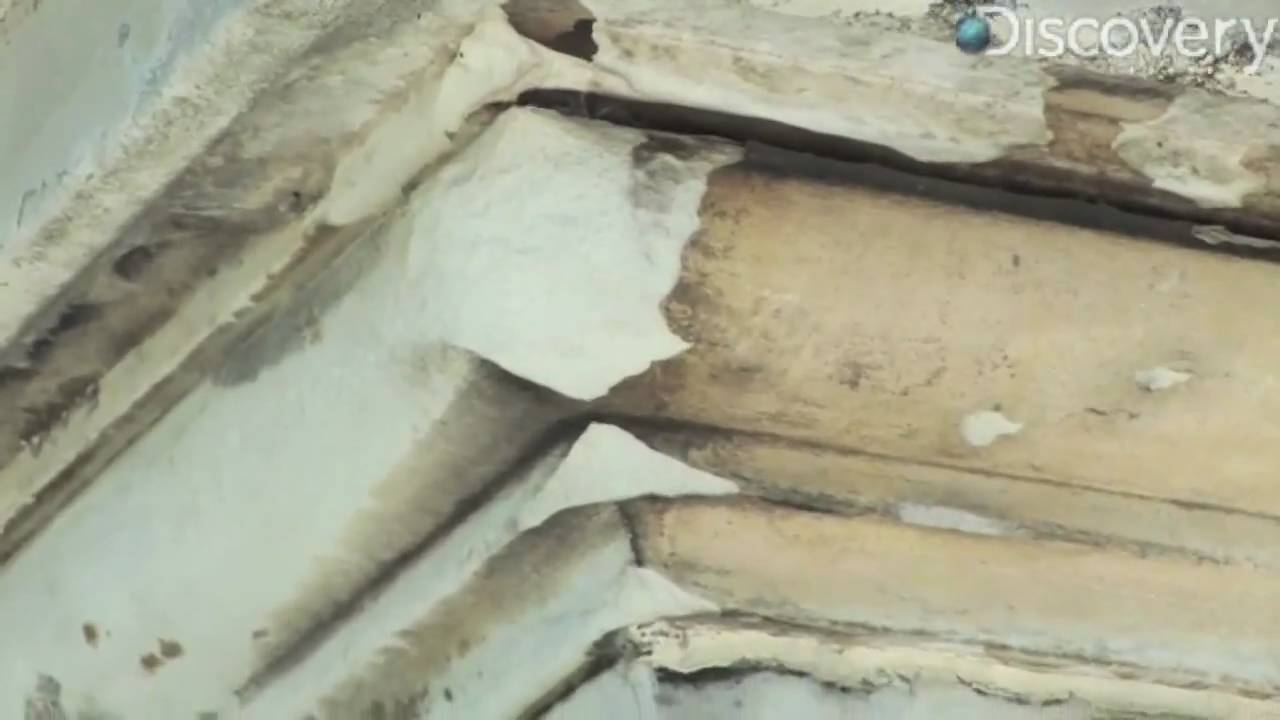
Students will simulate acid rain effects by applying solutions of varying pH levels to samples of common building materials. The project focuses on understanding how acid rain can damage infrastructure.

10 days·middle
Acid vs. Base: Which Is Stronger?
chemistrymedium

Acid vs. Base: Which Is Stronger?

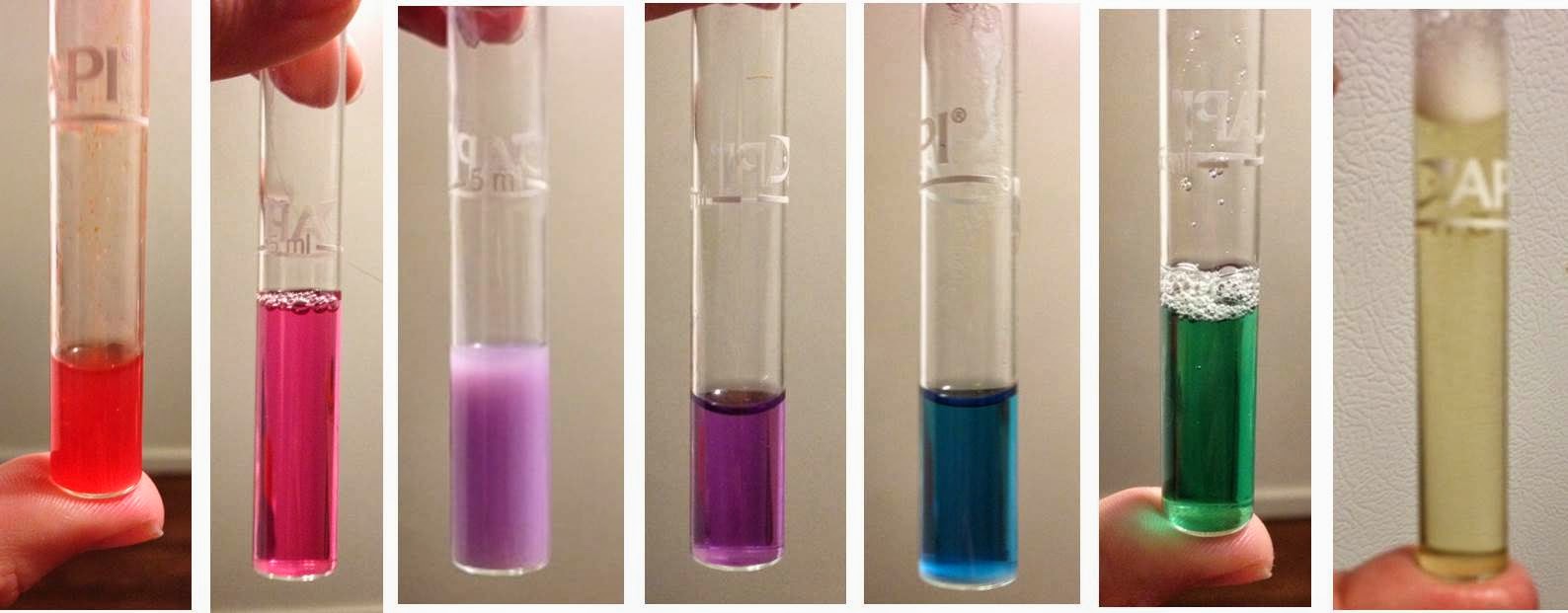
Students will investigate the comparative strength of different acids and bases by measuring their pH levels and observing their reactions with various indicators. This project will help elucidate the nature of acidic and basic solutions.

14 days·middle
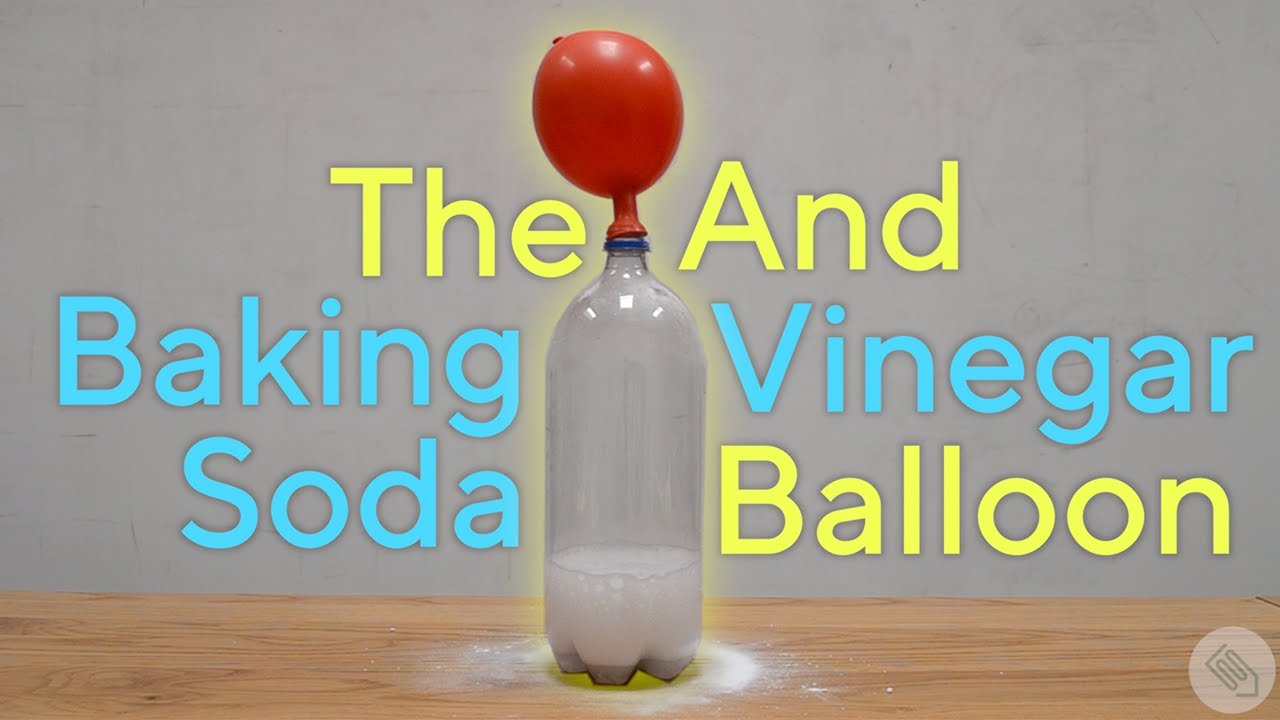
Baking Soda and Vinegar Balloon Inflation Experiment
chemistryeasy

Baking Soda and Vinegar Balloon Inflation Experiment

This exciting experiment demonstrates a chemical reaction between baking soda and vinegar that produces carbon dioxide gas, which inflates a balloon. It provides a hands-on approach to understanding reactions, gas expansion, and pressure in a controlled setting, making it ideal for middle school students interested in chemistry.

30 days·middle
Baking Soda and Vinegar Balloon Inflation Experiment Science Fair Project
chemistryeasy

Baking Soda and Vinegar Balloon Inflation Experiment Science Fair Project

This project demonstrates a fun and safe chemical reaction between baking soda and vinegar that produces carbon dioxide gas. Students will inflate a balloon using the gas produced, illustrating basic chemical principles.

1 days·elementary
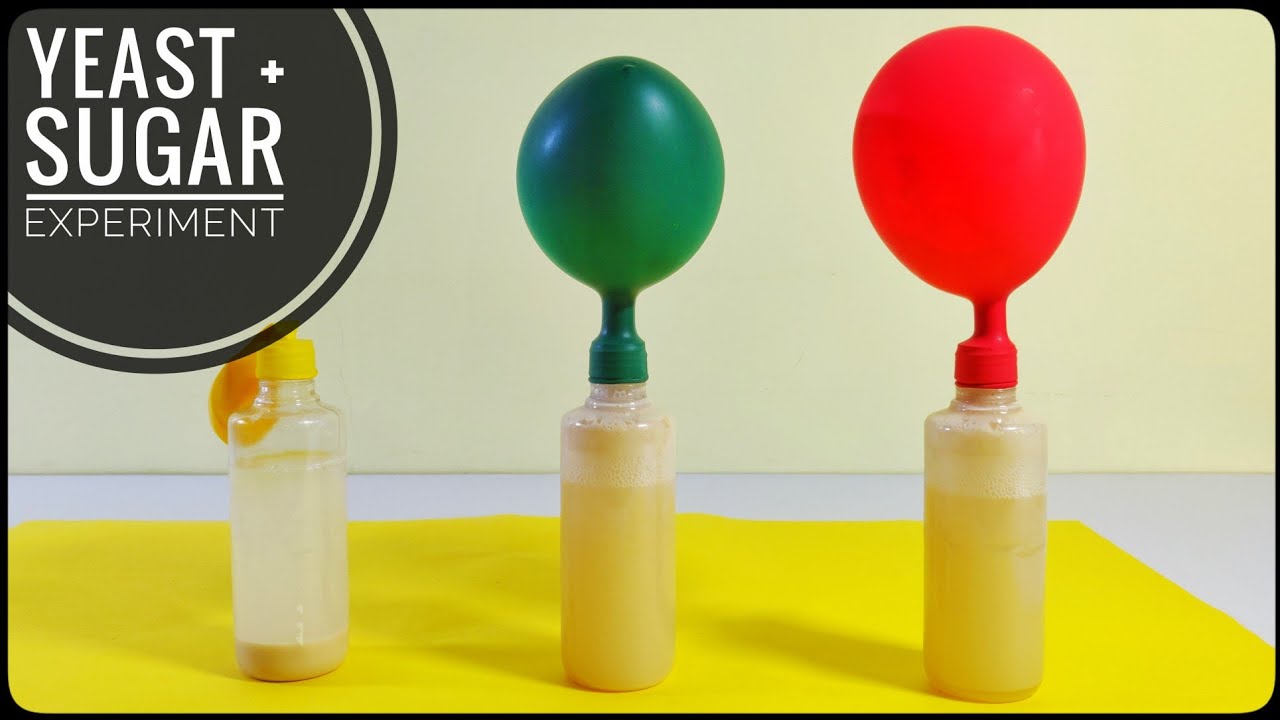
Balloon Blow-Up: The Power of Yeast and Sugar
chemistryeasy

Balloon Blow-Up: The Power of Yeast and Sugar

Students will observe the chemical reaction between yeast and sugar, which produces carbon dioxide gas that inflates a balloon. This project teaches about fermentation and gas production.

2 days·elementary
Biodegradable Plastics Science Project: Polymer Science
chemistryhard

Biodegradable Plastics Science Project: Polymer Science

This project focuses on creating biodegradable plastics using natural materials like starch and vinegar. Students will test the durability and decomposition rate, learning about sustainable alternatives to traditional plastics.

10 days·high

Like this project? Get more ideas!